Indian art is one of the oldest and most diverse artistic traditions in the world. Its history stretches back thousands of years, reflecting the country’s rich cultural, religious, and social heritage. From prehistoric cave paintings to contemporary installations, Indian art has continually evolved while maintaining a strong connection to its roots.
The earliest examples of Indian art can be seen in the rock shelters of Bhimbetka, where prehistoric communities painted scenes of hunting, dancing, and daily life. As civilizations developed, artistic expression flourished in sculpture, architecture, pottery, and painting. The magnificent stupas of Sanchi, the cave murals of Ajanta, and the intricate carvings of Ellora stand as remarkable achievements of ancient Indian creativity.
During the medieval period, art became closely associated with religion and royal patronage. Temple architecture reached extraordinary heights, while miniature painting traditions emerged in various regions. Mughal miniature paintings introduced refined techniques, delicate brushwork, and detailed observations of nature and courtly life. Rajput and Pahari schools developed their own distinctive styles, often inspired by mythology, poetry, and music.
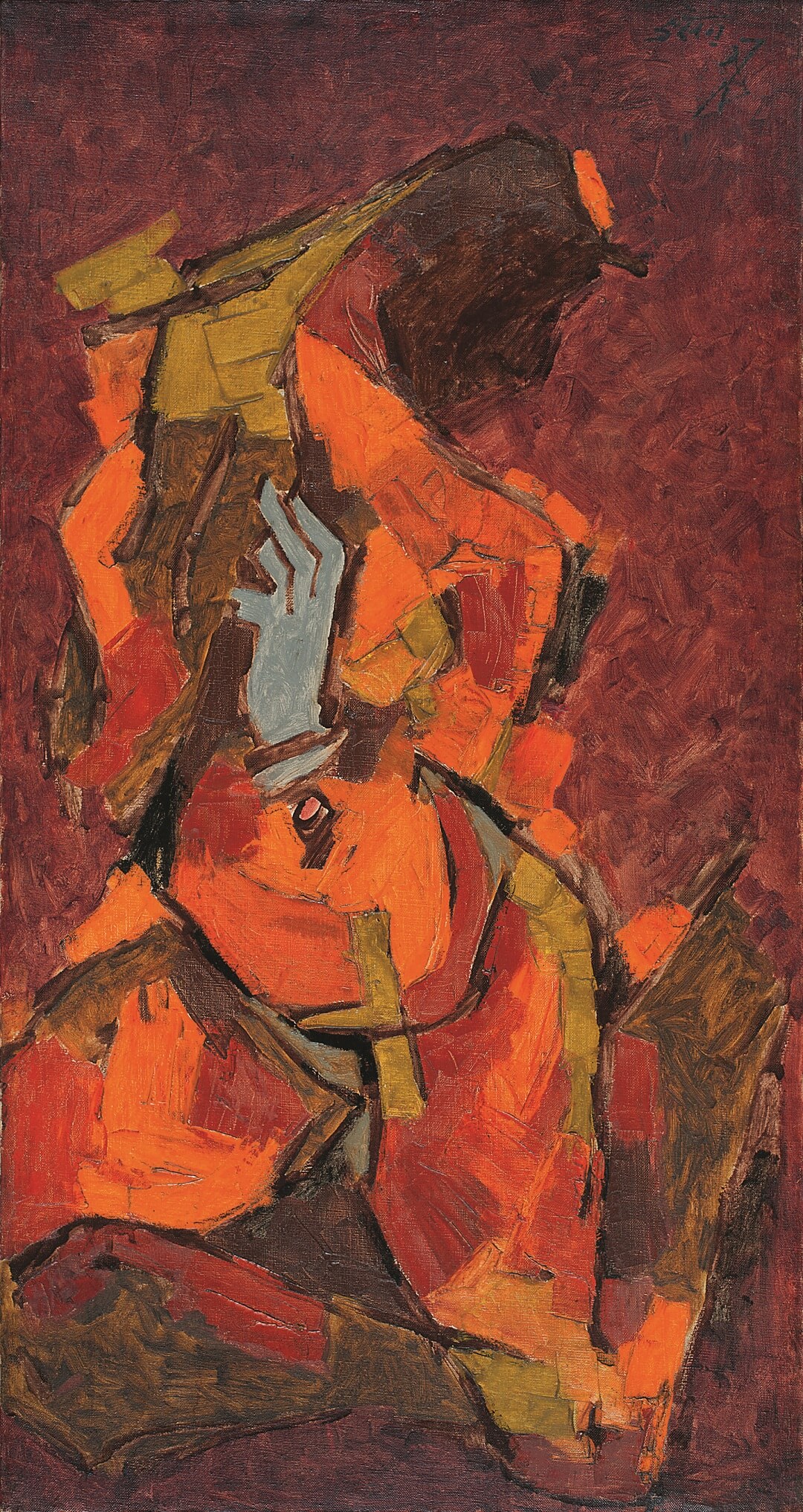
The colonial period brought new artistic influences from Europe. In response, artists sought to revive indigenous traditions and create a distinctly Indian visual language. The Bengal School, led by Abanindranath Tagore, played a crucial role in this cultural renaissance. Later, artists such as Amrita Sher-Gil and M. F. Husain combined Indian themes with modern artistic approaches, helping shape the course of contemporary Indian art.
Today, Indian art encompasses a wide range of practices, including painting, sculpture, photography, digital media, performance art, and public installations. Contemporary Indian artists engage with issues such as identity, environment, migration, technology, and social change while drawing inspiration from the country’s diverse traditions.
Indian art is not merely a record of history; it is a living and evolving expression of imagination, culture, and human experience. Through its many forms, it continues to inspire, challenge, and connect people across generations and geographical boundaries.