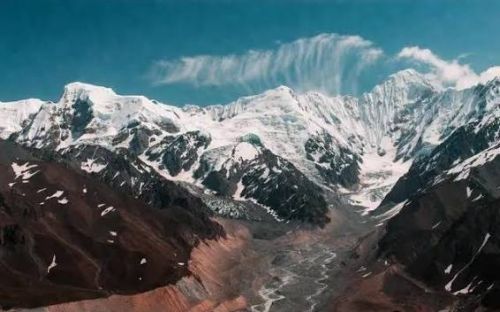
SRINAGAR: High-altitude regions of Jammu and Kashmir, including the tourist destinations of Pahalgam and Gulmarg, have recorded a temperature rise of nearly 1°C over the past two decades, underscoring the increasing impact of climate change on the Himalayan ecosystem, according to a study by researchers from the Indian Institute of Technology (IIT) Kharagpur.
The study, “Warming of the High-Mountainous Climate Sensitive Jammu and Kashmir During the Period 1980–2024,” analysed temperature records from 1980 to 2024 using data from 10 India Meteorological Department (IMD) stations across the Union Territory.
According to the study, accessed by the news agency Kashmir News Observer (KNO), warming has been more pronounced in mid- and high-altitude regions than in lower-altitude areas, a phenomenon known as Elevation-Dependent Warming (EDW). The strongest warming was observed during winter, particularly in daytime temperatures at higher elevations.
The researchers found that Pahalgam and Gulmarg have warmed by nearly 1°C over the past two decades, while Bhaderwah recorded one of the highest annual warming rates at around 0.3°C per decade.
The study also found that night-time temperatures are rising faster than daytime temperatures across many mountain stations, with minimum temperatures increasing by 0.1°C to 0.5°C per decade at several mid- and high-altitude locations.
According to the researchers, shrinking snow cover has reduced the surface’s ability to reflect solar radiation, exposing darker ground that absorbs more heat. Increased atmospheric moisture and longwave radiation have also contributed to the rapid rise in night-time temperatures.
The authors warned that continued warming could have significant implications for glaciers, snow cover, river flows, biodiversity and water security across the region, affecting millions of people dependent on Himalayan water resources.
The study also noted the limited availability of meteorological observations above 3,000 metres and called for a denser network of high-altitude weather stations to improve climate monitoring and future assessments.