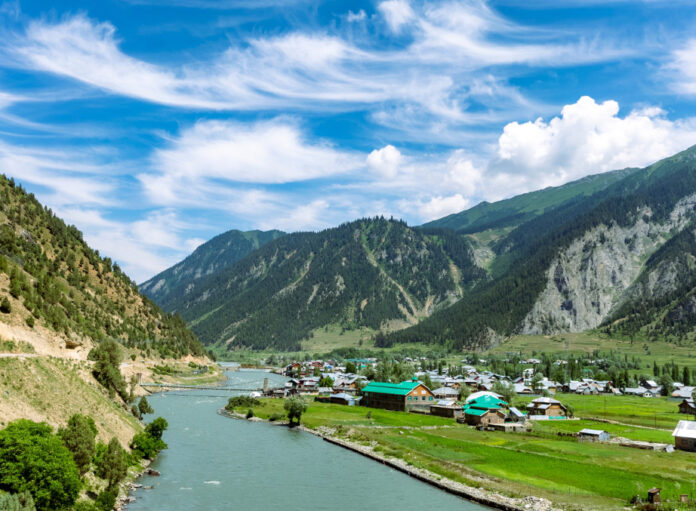
Nestled in the remote Himalayan region of Jammu & Kashmir, Gurez Valley possesses a unique agro-ecological environment that naturally supports organic and sustainable farming. The valley’s pristine air, crystal-clear water, fertile soils, and rich biodiversity have enabled generations of farmers to cultivate crops without depending on synthetic pesticides and chemical fertilizers. These traditional farming practices have preserved the ecological balance of the region and produced wholesome, residue-free food. At a time when consumers across the world are increasingly seeking safe, nutritious, and environmentally sustainable produce, Gurez enjoys a natural advantage that can be transformed into a significant economic opportunity.
Agriculture Rooted in Tradition
Agriculture remains the backbone of the rural economy in Gurez. Farmers cultivate a range of crops, including rajma, potato, maize, peas, buckwheat, and seasonal vegetables using age-old cultivation practices. The absence of chemical pesticide use, supported by the existing restrictions on synthetic pesticides, has helped maintain the purity of agricultural produce while protecting soil health and water quality. This positions Gurez as a promising region for the production of premium organic and high-value mountain crops capable of attracting niche domestic and international markets.
Integrated Pest Management: A Sustainable Approach
One of the key pillars of sustainable agriculture in Gurez is the adoption of Integrated Pest Management (IPM). Rather than relying on chemical pesticides, IPM emphasizes prevention, ecological balance, and environmentally friendly pest management practices. Farmers are encouraged to adopt crop rotation, timely sowing, proper field sanitation, balanced nutrient management through farmyard manure (FYM), application of wood ash where appropriate, and regular crop monitoring.
These practices reduce pest incidence naturally while improving soil fertility and maintaining long-term productivity. By minimizing external chemical inputs, IPM not only protects crops but also conserves the fragile Himalayan ecosystem that supports agriculture in the valley.
Conserving Nature’s Beneficial Insects
The rich floral diversity of Gurez provides an ideal habitat for numerous beneficial insects, including pollinators and natural enemies of crop pests. Bees, butterflies, hoverflies, ladybird beetles, lacewings, and parasitoid wasps contribute significantly to pollination and natural pest suppression.
Pollinating insects play a crucial role in improving seed set, fruit development, and crop productivity, while predatory and parasitic insects naturally regulate pest populations. The minimal use of synthetic pesticides in Gurez has helped conserve these valuable organisms, allowing ecological processes to function efficiently and reducing the need for artificial pest control measures.
Protecting these beneficial insects is essential for sustaining both agricultural productivity and biodiversity in the region.
Eco-Friendly Pest Management Practices
Farmers in Gurez are increasingly being encouraged to adopt environmentally safe pest management tools that complement traditional farming systems. Sticky traps and pheromone traps provide effective monitoring and control of insect pests without harming beneficial organisms. Similarly, botanical extracts prepared from locally available plants such as garlic and aromatic herbs offer safe alternatives for managing pest populations.
These eco-friendly approaches reduce pesticide residues, safeguard livestock and human health, preserve pollinator populations, and minimize environmental contamination. Such practices strengthen the valley’s reputation as a producer of naturally grown agricultural commodities while supporting long-term ecological sustainability.
Role of KVK Gurez in Promoting Sustainable Agriculture
Krishi Vigyan Kendra (KVK) Gurez has been actively promoting scientific and sustainable agriculture across the valley. Through farmer training programmes, frontline demonstrations, field visits, awareness campaigns, and technical guidance, KVK is helping farmers adopt improved production technologies while preserving the ecological integrity of the region.
Special emphasis is being placed on Integrated Pest Management, conservation of beneficial insects, soil health improvement, and production of quality agricultural commodities. By combining traditional knowledge with scientific innovations, KVK Gurez is empowering farmers to enhance productivity without compromising environmental sustainability.
Opportunities for High-Value Organic Agriculture
Growing consumer awareness regarding food safety has created an expanding market for pesticide-free and residue-free agricultural products. Gurez is well positioned to capitalize on this trend by branding and promoting its naturally grown crops as premium mountain produce.
The development of value chains for organic rajma, potatoes, vegetables, buckwheat, medicinal and aromatic plants, and other specialty crops can significantly enhance farmers’ incomes. Certification, improved packaging, branding, and market linkages can further strengthen the competitiveness of Gurez’s agricultural products while creating employment opportunities for rural youth and women.
Linking Agriculture with Agro-Ecotourism
Beyond farming, Gurez offers immense opportunities for agro-ecotourism. The valley’s breathtaking landscapes, unique cultural heritage, traditional farming systems, and pesticide-free environment make it an attractive destination for visitors seeking authentic rural experiences.
Tourists can enjoy fresh local cuisine prepared from naturally grown produce while experiencing traditional agricultural practices. Such initiatives create additional livelihood opportunities for farmers, women self-help groups, local entrepreneurs, and rural communities through farm stays, local food enterprises, handicrafts, and eco-friendly tourism services.
The integration of sustainable agriculture with tourism not only diversifies rural incomes but also encourages the conservation of local traditions, biodiversity, and natural resources.
A Vision for Sustainable Prosperity
Gurez Valley stands as a remarkable example of how agriculture, environmental conservation, and rural development can complement one another. Its pesticide-free farming systems, rich biodiversity, and strong community traditions provide a solid foundation for developing a resilient and sustainable agricultural economy.
With continued support through scientific interventions, farmer capacity building, market development, and responsible resource management, Gurez has the potential to emerge as a nationally recognized model for organic mountain agriculture and sustainable pest management. By preserving its natural heritage while embracing innovation, the valley can ensure improved livelihoods, enhanced food security, ecological resilience, and long-term prosperity for future generations.
(Dr Shahida Altaf is working as Scientist at KVK Gurez while as Dr Hilal Ahmad Malik is working as Head KVK/MAR&ES Gurez)