Bandipora: As part of the ongoing 100-day mission mode campaign under the Nasha Mukt Jammu & Kashmir Abhiyaan, the District Administration Bandipora on Sunday organised an interaction and awareness programme with Panchayat-level Mahila Samitis under the ‘Maa se Guftagu’ initiative, aimed at strengthening grassroots efforts to combat drug abuse.
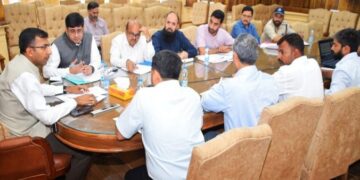
The programme was attended by District Programme Officer ICDS Bandipora, Yaar Ali Khan; Assistant Commissioner Revenue, Shabir Ahmad Wani; Child Development Project Officers (CDPOs); members of Mahila Samitis; ICDS Supervisors; Anganwadi Workers (AWWs); Anganwadi Helpers (AWHs); representatives from NRLM, and other stakeholders.
During the session, the functioning of Mahila Samitis across all 151 Panchayats and 43 municipal wards of the district was reviewed, with emphasis on their role in implementing anti-drug initiatives at the grassroots level.
The District Programme Officer presented a comprehensive strategy and action plan outlining the responsibilities of Panchayat-level Mahila Samitis. The plan highlighted six key focus areas: awareness generation, counselling support, community vigilance, convergence, rehabilitation, and reporting mechanisms. A detailed 100-day roadmap was also shared, focusing on training programmes, awareness drives, identification of addicts, home visits, and follow-up assessments.
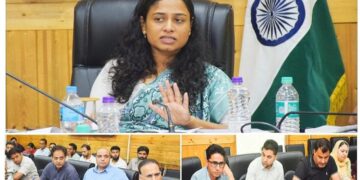
Addressing the gathering, Deputy Commissioner Bandipora Indu Kanwal Chib underscored the crucial role of women in building a drug-free society. She urged Mahila Samitis to act as “change agents” at the village and ward levels and called for intensified door-to-door campaigns, mohalla-level meetings, and proactive identification of vulnerable youth.
Highlighting the role of families, the Deputy Commissioner said parents play a vital part in protecting children from addiction and noted that substance abuse often contributes to domestic violence. She stressed the importance of counselling affected individuals while strengthening preventive awareness at the community level.
The meeting also discussed a multi-pronged strategy involving ASHA workers, Anganwadi workers, Self Help Groups (SHGs), and Panchayati Raj Institutions (PRIs). Directions were issued to organise awareness drives, school rallies, and nukkad nataks, and to facilitate counselling and rehabilitation through the District De-addiction Centre.
Participants from Mahila Samitis shared concerns regarding social stigma and rising peer pressure among adolescents. Responding to these challenges, the Deputy Commissioner emphasised a compassionate approach towards rehabilitation and reintegration of individuals affected by drug addiction, enabling them to lead dignified lives.
The programme concluded with a pledge administered by the Deputy Commissioner, reaffirming the collective resolve to work towards a drug-free society under the Nasha Mukt Jammu & Kashmir Abhiyaan, with the message that “change begins at home.”