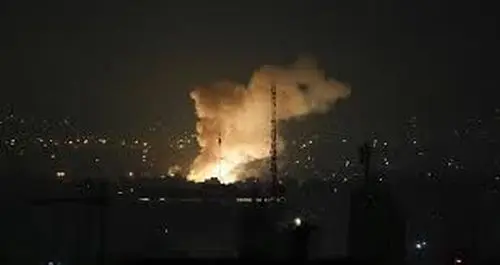
The recent escalation of hostilities in the Middle East has sent shockwaves through global energy markets, triggering an unprecedented crisis that is compelling governments worldwide to adopt stringent energy conservation measures. With fuel supplies tightening and prices surging, countries across Asia, Africa, Oceania, and Europe are implementing extraordinary interventions to safeguard essential services, stabilise economies, and ensure equitable access to limited energy resources.
From enforcing work-from-home protocols to rationing fuel and even shutting down non-essential sectors, these measures reflect the gravity of the situation and the urgency with which governments are responding.
Asia: Aggressive Demand Management and Fuel Rationing
Across Asia, nations have moved swiftly to curtail energy consumption. In Sri Lanka, authorities have declared additional public holidays for educational institutions and non-essential government staff, while reintroducing a QR-based fuel rationing system that caps weekly fuel access for private and public transport.
Bangladesh has taken similarly stringent steps, shifting educational institutions online to reduce electricity demand, imposing fuel rationing, and implementing rolling blackouts while prioritising power for its vital garment export sector. Security has also been tightened, with the army deployed to protect fuel depots. Meanwhile, severe gas shortages have forced the closure of most state-run fertiliser plants.
Bhutan and Laos have activated work-from-home frameworks and prioritised fuel for essential services, while Pakistan has introduced a four-day work week, reduced fuel allocations for government departments, and temporarily shut down educational institutions. In Southeast Asia, countries such as the Philippines and Vietnam are encouraging remote work and reduced travel, alongside promoting public transport and carpooling.
More drastic measures are visible in Myanmar, where private vehicle usage has been restricted on an odd-even basis, and in Cambodia, where nearly one-third of petrol stations have shut down amid supply uncertainties.
Africa: Curtailment and Controlled Distribution
African nations are also grappling with the crisis through a mix of curtailment and controlled distribution strategies. Egypt has imposed early closure timings for commercial establishments and government offices, alongside switching off illuminated billboards to conserve electricity.
Kenya has introduced fuel rationing and halted exports to preserve domestic supplies, while South Africa has implemented controlled allocation measures at the industry level to prevent panic buying and ensure fair distribution as diesel shortages begin to emerge across provinces.
Oceania: Strategic Reserves and Mobility Restrictions
In Oceania, New Zealand is exploring innovative measures, including the revival of a “car-less day” policy reminiscent of past oil crises. The country has also activated fuel monitoring protocols and released reserves to stabilise supply. The aviation sector has not been spared, with a significant number of flights cancelled due to rising jet fuel costs, disrupting travel for thousands.
Europe: Quotas and Retail-Level Controls
European nations have turned to structured rationing mechanisms. Slovakia has imposed diesel purchase quotas to prevent hoarding, while in Slovenia, fuel retailers have introduced caps on fuel sales for both private and commercial vehicles to ensure availability and maintain supply chains.
A Coordinated Global Response to an Unfolding Crisis
The breadth and intensity of these measures underline the scale of the ongoing energy crisis. Governments are prioritising essential sectors, curbing non-critical consumption, and promoting behavioural changes among citizens to navigate the challenge.
While the long-term trajectory of the crisis remains uncertain, the current global response highlights a shift towards resilience, conservation, and adaptive governance in the face of volatile energy dynamics.