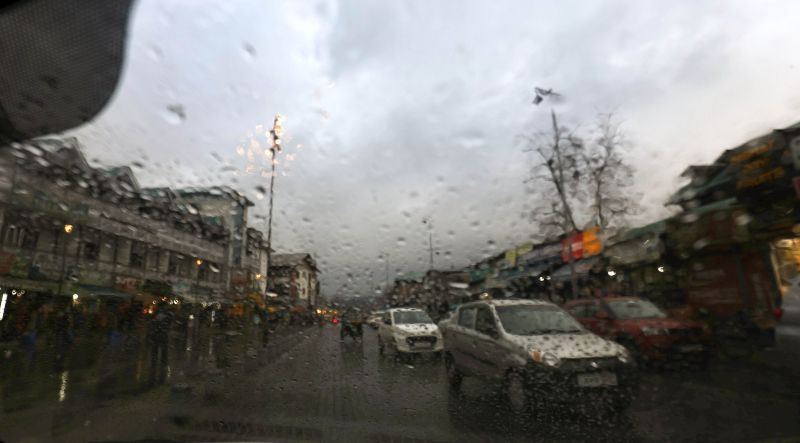
Srinaga: From unusually warm autumn days and shrinking snow cover to sudden spells of intense rainfall, cloudbursts and falling water levels in rivers, the signs of ‘Global Warming’ are becoming increasingly visible across Jammu and Kashmir, with the region witnessing shifts in both temperature patterns and precipitation.
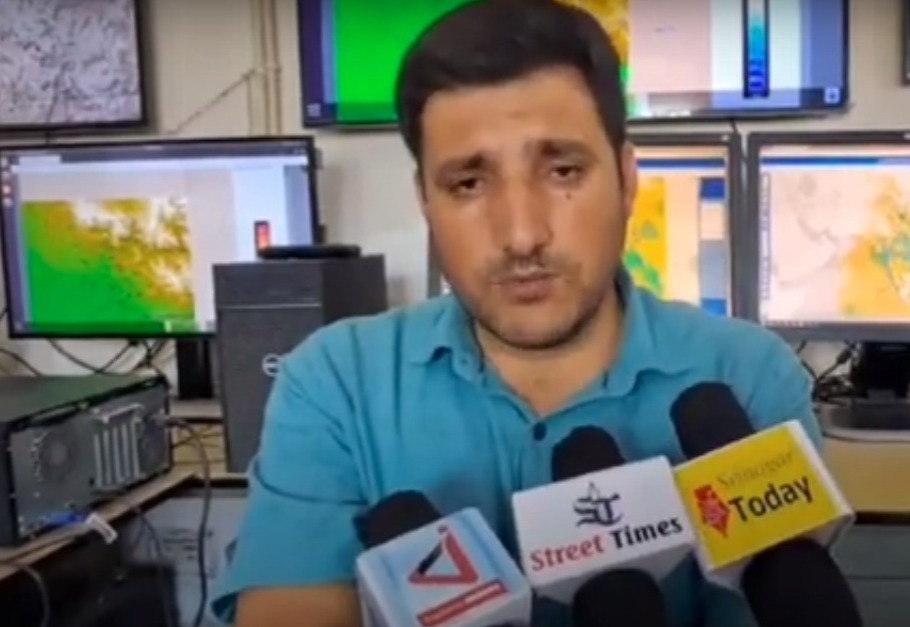
What was once associated largely with rising temperatures is now being reflected in the broader behavior of the weather, including the timing, intensity and form of precipitation, according to Director Meteorological Centre Srinagar, Dr Mukhtar Ahmad.
Jammu and Kashmir, according to Director MeT, is no exception to the effects of global warming and climate change being witnessed worldwide, with changes in weather conditions becoming increasingly evident across the region.
He pointed to comparatively warmer conditions during September and October, periods of precipitation deficit and episodes of extreme weather, including flash floods triggered by heavy and very heavy rainfall within short spells.
“Frequent cloudburst events have also emerged as a major concern, while heat and heat wave-like conditions during early spring and the later part of summer, particularly around the beginning of autumn, reflect the changing pattern of seasonal weather,” Dr Mukhtar Ahmad told ‘Kashmir Images’.
Another visible change, Ahmad said, is the gradual shrinking of snow cover over the years. Alongside rising temperatures, changes in the form of precipitation are also being observed, indicating that climate change is affecting not just how much precipitation the region receives, but also the conditions under which it falls.
The consequences extend beyond weather conditions themselves. Water levels in rivers and their tributaries can fall to their lowest during the onset of winter, adding to concerns over water availability as the region moves through the colder months.
Ahmad said these developments were among the manifestations of climate change being experienced at present, underlining the need to recognize the local consequences of a phenomenon that extends far beyond geographical and political boundaries.
“There are no boundaries to the atmosphere,” he said, explaining that gases released at one location can spread beyond it and contribute to atmospheric changes elsewhere.
While climate change is a global phenomenon, Ahmad also drew attention to local sources of pollution, including rapid urbanization, increasing vehicular traffic, commercial activities and brick kilns.
He said responsibility for addressing the problem could not be placed on others alone, stressing that developing countries also contribute to emissions associated with the changing climate.
Ahmad called for a shift towards individual and collective responsibility, saying meaningful action must begin at the personal and family levels.
Planting saplings, paying greater attention to vehicular pollution and examining everyday practices that contribute to environmental degradation are among the steps people can take, he said.
He emphasized that people must begin making changes in their own lives rather than expecting others to act first.
Meanwhile, weather conditions across Jammu and Kashmir are expected to remain changeable over the coming days, with brief spells of precipitation forecast in parts of the region.
Ahmad said a weak Western Disturbance is likely to bring a brief spell of light rain or light snowfall over some areas on October 10.
Another Western Disturbance is expected to influence the region on October 13 and 14, potentially bringing light snowfall over higher reaches, along with thunderstorms and gusty winds at some places.
Weather conditions are expected to turn generally dry after October 20, according to the forecast.
While the immediate weather outlook points to brief spells of precipitation followed by a predominantly dry period, the longer-term changes highlighted by the MeT director underline a larger concern: the need to understand and respond to the evolving climate patterns affecting Jammu and Kashmir.