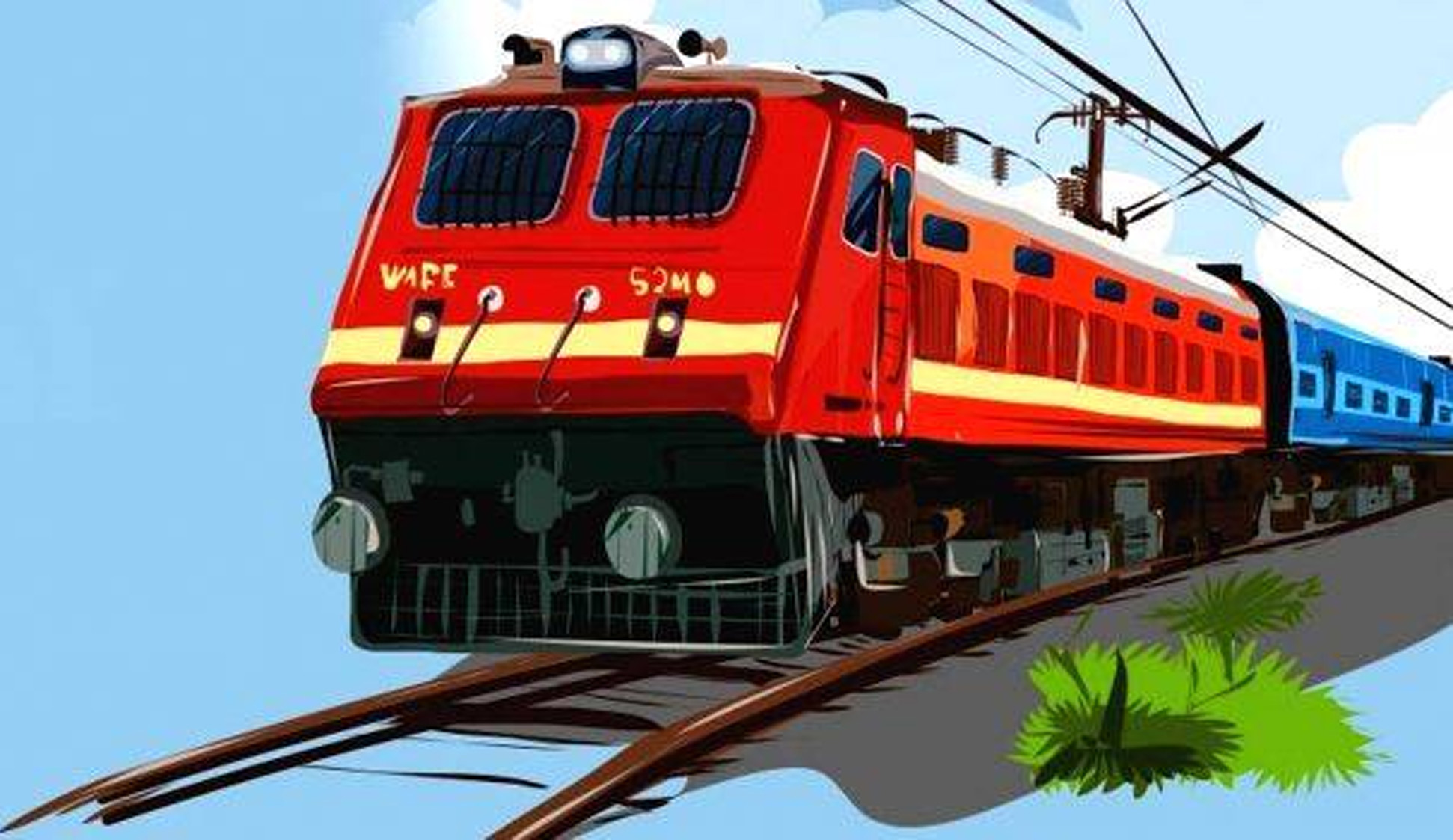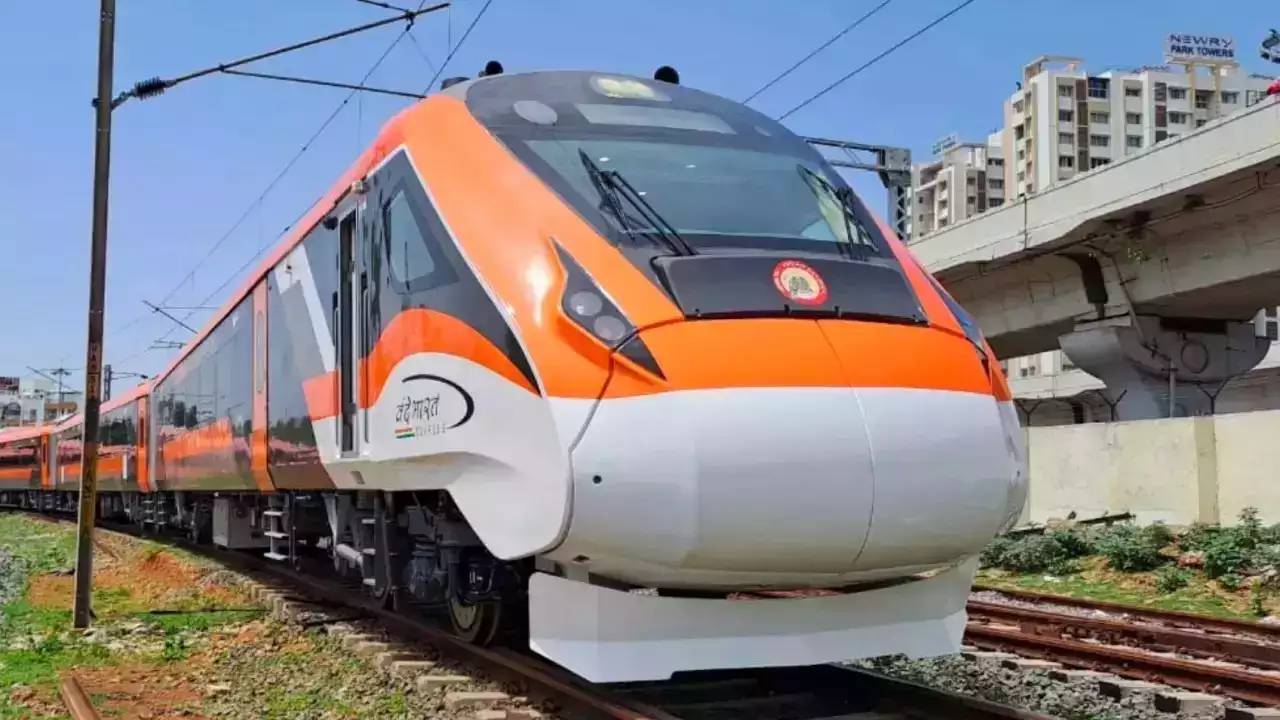
Srinagar: Jammu and Kashmir Government has approved 18% increase in fares for various categories of public transport vehicles across the Union Territory, revising rates for the first time since 2021, while JK Peoples Conference President and MLA Handwara, Sajad Lone, has criticised the government for the move, accusing that the burden of its economic policies on the working class.
The Transport Department issued a notification saying the Transport Commissioner, J&K, has been directed to fix revised maximum chargeable fares for commercial passenger vehicles by adding an 18 per cent hike over the rates notified under SRO-97 dated March 19, 2021.
The revised fare structure shall apply to big buses, medium and mini buses operating as stage carriages, besides different categories of taxi/maxi cabs.
These include base model contract carriage vehicles such as Sumo, Bolero, Tata Indica, Swift, Tata Winger and Tempo Traveller, medium segment tourist vehicles including Tavera, Scorpio and Xylo and premium class vehicles such as Innova and Fortuner.
Petrol-operated auto-rickshaws and Tata Magic vehicles functioning as stage carriages have also been brought under the revised fare regime.
Meanwhile, the government has separately notified fares for electric passenger vehicles. E-rickshaws will charge Rs 15 per kilometre, while e-autos will charge Rs 25 for the first kilometre and Rs 20 for each subsequent kilometre.
The notification has been issued under Section 67 of the Motor Vehicles Act, 1988, partially modifying the earlier fare notification issued in 2021.
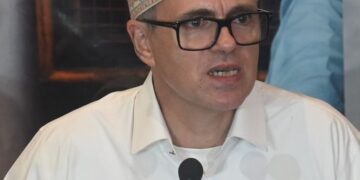
Meanwhile, Peoples Conference President and MLA Handwara, Sajad Gani Lone, on Wednesday sharply criticized the ruling National Conference government over the recent 18% hike in public transport fares, accusing that the burden of its economic policies is being shifted onto the working class.
Reacting to the fare increase, Lone underscored its disproportionate impact on lower-income groups. “In the context of the 18% fare hike, I want to place on record that this increase will adversely affect the poor. The rich don’t use public transport,” he said.
Linking the hike to fiscal decisions, Lone pointed to what he described as policy inconsistency, noting that the government had announced a rebate on diesel cess in the 2025–26 budget but reversed the move in 2026–27.
He argued that making diesel costlier created the conditions for the fare hike despite assurances to the contrary, adding that such measures inevitably ripple down to the most vulnerable.
Lone recalled his intervention during the previous Assembly session, where he had questioned the feasibility of the government’s promise of free gas cylinders.
According to Lone, the initial commitment of 12 cylinders annually to 14 lakh Economically Weaker Section households was scaled down to six cylinders for only two lakh Antyodaya Anna Yojana beneficiaries. He maintained that the cost of such scaled-back subsidies was indirectly recovered from the poor through measures like increased transport fares.
“During my submissions, I reiterated that if the government does provide free cylinders, the cost will be extracted from the poor, not the rich,” he said, adding that the withdrawal of diesel relief was a clear indicator of this trajectory.
In a pointed critique of the administration’s economic approach, Lone remarked that the government was effectively “taking money from one pocket of the poor without placing it in the other.”