𝙄𝙣𝙩𝙧𝙤𝙙𝙪𝙘𝙩𝙞𝙤𝙣
The announcement regarding the possible revival of the Darbar Move to Jammu has reignited a debate that has lingered for decades: is this biannual tradition a meaningful administrative necessity or merely a colonial relic surviving on nostalgia? Once a symbol of unity between Jammu and Kashmir, the Darbar Move now faces scrutiny over its relevance, cost, and logic in an age defined by digital governance.
Born out of climatic and logistical compulsions in a pre-modern era, the Move once served to maintain year-round governance and connect two diverse regions. Yet, as governance becomes increasingly digital, the ritual appears hollow, costly, and performative. The idea of shifting files and officials every six months across 300 kilometers seems almost absurd in a world where data, decisions, and directives flow instantly across networks.
𝙃𝙞𝙨𝙩𝙤𝙧𝙞𝙘𝙖𝙡 𝘾𝙤𝙣𝙩𝙚𝙭𝙩: 𝙏𝙝𝙚 𝙂𝙚𝙣𝙚𝙨𝙞𝙨 𝙤𝙛 𝙩𝙝𝙚 𝘿𝙖𝙧𝙗𝙖𝙧 𝙈𝙤𝙫𝙚
The Darbar Move originated in the late 19th century under the Dogra rulers of Jammu and Kashmir. Maharaja Ranbir Singh, followed by his successor Pratap Singh, institutionalized the practice to ensure administrative continuity and symbolize the integration of two geographically and climatically distinct regions — Kashmir and Jammu.
During those times, Jammu became unbearable in the scorching summer, while the Kashmir Valley remained inaccessible in winter due to snowbound passes. A practical system evolved:
The Durbar (court and government offices) would move to Srinagar in summer. And return to Jammu in winter.
This movement allowed efficient administration while symbolizing the Maharaja’s equal rule over both regions. By the early 20th century, however, the Move became as much about royal pageantry as governance — a chance for the monarch and courtiers to display grandeur and enjoy favorable weather. Post-Independence, the Move survived, reinterpreted as a sign of regional balance and administrative inclusivity between Jammu and Kashmir.
𝙋𝙤𝙨𝙩–𝙄𝙣𝙙𝙚𝙥𝙚𝙣𝙙𝙚𝙣𝙘𝙚 𝙀𝙫𝙤𝙡𝙪𝙩𝙞𝙤𝙣: 𝙁𝙧𝙤𝙢 𝙎𝙮𝙢𝙗𝙤𝙡𝙞𝙨𝙢 𝙩𝙤 𝘽𝙪𝙧𝙚𝙖𝙪𝙘𝙧𝙖𝙘𝙮
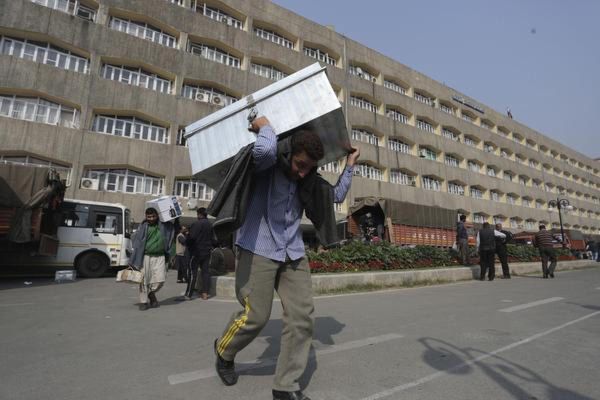
After 1947, successive governments continued the Darbar Move, partly to preserve regional harmony and partly out of habit. In theory, it ensured governance accessibility to citizens from both regions. In practice, it became an annual logistical operation involving thousands of employees, hundreds of trucks, and crores of rupees spent on transportation, accommodation, and security.
By the late 20th century, critics questioned its purpose. All-weather roads, improved communication, and an expanding bureaucracy made the Move less about administrative necessity and more about tradition. Yet, it persisted — bolstered by political symbolism and the limited economic benefits it brought to Jammu’s winter economy.
𝙀𝙘𝙤𝙣𝙤𝙢𝙞𝙘 𝙖𝙣𝙙 𝘼𝙙𝙢𝙞𝙣𝙞𝙨𝙩𝙧𝙖𝙩𝙞𝙫𝙚 𝘾𝙤𝙨𝙩
The Darbar Move is a massive financial exercise. Each year, the administration relocates tens of thousands of official files, computers, furniture, and records between Jammu and Srinagar. Costs, including transport, allowances, and infrastructure maintenance, often run between ₹200–250 crore annually.
Expenses also include:
Security convoys and logistical arrangements
Temporary housing for thousands of employees
Maintenance of twin secretariats and guesthouses
Reopening ceremonies and administrative setups twice a year
Beyond these, recurring costs arise from:
Shifting entire departments every six months
Renovation and refurbishment of offices in both capitals
Maintenance of official accommodations for employees, many residing year-round
These costs accumulate annually, diverting resources from developmental projects, infrastructure upgrades, and citizen welfare initiatives. Moreover, the Move temporarily slows administration as offices shut down for packing and unpacking, delaying decision-making and citizen services. What began as a mechanism for efficiency has ironically become a source of inefficiency — a bureaucratic ritual disrupting governance more than facilitating it. In a modern, digital era, such expenditure for tradition is increasingly difficult to justify.
𝙏𝙝𝙚 𝘿𝙞𝙜𝙞𝙩𝙖𝙡 𝙎𝙝𝙞𝙛𝙩: 𝙁𝙧𝙤𝙢 𝙁𝙞𝙡𝙚𝙨 𝙩𝙤 𝙁𝙞𝙗𝙚𝙧 𝙊𝙥𝙩𝙞𝙘𝙨
Modern governance has rendered “movement” largely symbolic. Digital systems, e-office platforms, and video conferencing allow officials to operate seamlessly from Srinagar or Jammu. Online grievance redressal systems, RTI portals, and e-Governance initiatives have made citizen interaction faster and more efficient.
As one senior bureaucrat put it, “We no longer move files — we move hard drives.” In this context, physically relocating departments every six months is anachronistic. The digital revolution has eliminated the very need that once justified the Move.
𝘿𝙚𝙘𝙡𝙞𝙣𝙚 𝙤𝙛 𝙋𝙪𝙗𝙡𝙞𝙘 𝙄𝙣𝙩𝙚𝙧𝙖𝙘𝙩𝙞𝙤𝙣
The Move’s original argument — bringing government closer to the people — no longer holds. Citizens now address grievances at district offices or online. Ministers and senior bureaucrats seldom interact directly with the public at the Secretariat. Even when the Darbar shifts to Jammu, people from Kashmir do not, nor do their concerns. The supposed connectivity between administration and citizens has largely dissolved.
𝙀𝙘𝙤𝙣𝙤𝙢𝙞𝙘 𝙈𝙮𝙩𝙝: 𝙉𝙤 𝙍𝙚𝙖𝙡 𝘽𝙚𝙣𝙚𝙛𝙞𝙩 𝙩𝙤 𝙅𝙖𝙢𝙢𝙪
For decades, Jammu’s business community supported the Move for the winter economic activity it generated — hotels, transporters, and local vendors benefitted. Today, most employees reside in official quarters, drawing allowances but spending little locally. The economic rush in hotels, rental housing, and temporary services has largely disappeared.
Improved year-round connectivity and modern infrastructure have reduced Jammu’s dependence on government inflows. Any minor economic activity from the Move is insufficient to justify massive expenditure. Its perceived benefit is symbolic, not practical. In a time of scarce resources, continuing a ritual with minimal tangible return is increasingly untenable.
𝙋𝙤𝙡𝙞𝙩𝙞𝙘𝙖𝙡 𝙐𝙣𝙙𝙚𝙧𝙩𝙤𝙣𝙚𝙨 𝙖𝙣𝙙 𝙎𝙮𝙢𝙗𝙤𝙡𝙞𝙨𝙢
The suspension of the Darbar Move during Governor’s Rule and Lieutenant Governor’s administration (post-2019) was framed as a reform measure — saving costs and modernizing governance. Yet, it also reflected a political vacuum: with no ministers or legislators, there was no “Darbar” to move.
Historically, the Move symbolized political power. Its absence underscored the absence of elected authority. Revival or suspension has often mirrored the political climate, rather than administrative logic. In a decentralized, digital system, the Move serves little purpose beyond optics.
𝙇𝙚𝙜𝙖𝙡 𝙖𝙣𝙙 𝘼𝙙𝙢𝙞𝙣𝙞𝙨𝙩𝙧𝙖𝙩𝙞𝙫𝙚 𝘼𝙪𝙩𝙝𝙤𝙧𝙞𝙩𝙮
The Darbar Move order vests discretionary authority with the elected government. Therefore, continuing or ending the exercise is a political choice, not a compulsion. Hesitation to confront sentiment with logic is what perpetuates the ritual.
𝙀𝙣𝙫𝙞𝙧𝙤𝙣𝙢𝙚𝙣𝙩𝙖𝙡 𝘾𝙤𝙣𝙨𝙞𝙙𝙚𝙧𝙖𝙩𝙞𝙤𝙣𝙨
Beyond finances, the Move has a significant environmental cost. Transporting thousands of files and goods generates carbon emissions, consumes fuel, and wastes paper and packing materials. At a time when governments worldwide are adopting green practices, the Darbar Move is a resource-intensive relic from another century.
𝙋𝙪𝙗𝙡𝙞𝙘 𝙋𝙚𝙧𝙘𝙚𝙥𝙩𝙞𝙤𝙣 𝙖𝙣𝙙 𝙩𝙝𝙚 𝙎𝙚𝙣𝙩𝙞𝙢𝙚𝙣𝙩 𝙁𝙖𝙘𝙩𝙤𝙧
Public opinion remains divided. In Jammu, some see it as a marker of inclusion and status. In Kashmir, many view it as a colonial leftover and resource drain. Emerging consensus — especially among the younger generation — suggests that the Move has outlived its relevance, offering symbolism over substance.
𝘾𝙤𝙣𝙘𝙡𝙪𝙨𝙞𝙤𝙣
The Darbar Move, once a pragmatic solution to climatic and logistical challenges, now exists largely as a ceremonial relic. In an era of digital governance, decentralized administration, and environmental consciousness, the practice imposes unnecessary economic, administrative, and ecological costs. Its revival would signal nostalgia over progress — a choice of ritual over reason. The question before policymakers is simple: should tradition dictate governance, or should governance evolve with the times?
(The author is a freelancer, national TV debater, and columnist. Ideas expressed are his own and can be reached at ahmadayaz08@gmail.com)
Bottom