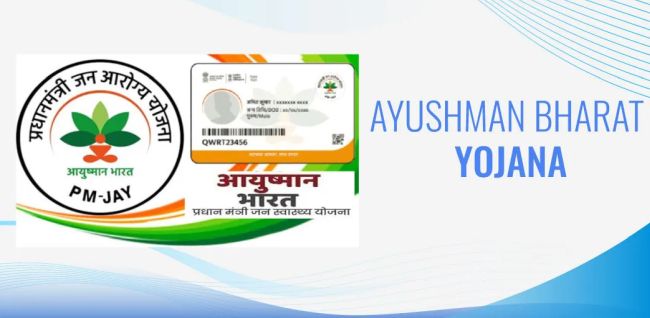
India’s healthcare system has long faced challenges such as poor infrastructure, limited access to quality care, and financial barriers that prevent many from seeking timely treatment. In 2018, the government launched Ayushman Bharat, a major initiative to reform the health sector by improving universal healthcare access and affordability. Officially called the Ayushman Bharat Pradhan Mantri Jan Arogya Yojana (AB-PMJAY), this extensive program, along with its Health and Wellness Centres, is transforming healthcare—primarily for the underprivileged—and creating new opportunities for a healthier India.
Ayushman Bharat is based on two key pillars: developing Health and Wellness Centres and implementing PMJAY. These focus on both preventive and curative healthcare to make India’s health system more inclusive, equitable, and resilient. The program supports Sustainable Development Goals (SDGs), especially SDG 3 on universal health coverage. By emphasising primary care and financial protection, Ayushman Bharat aims to reduce socio-economic disparities and increase access to quality medical services.
The first pillar, Health and Wellness Centres, seeks to upgrade existing primary health centres into comprehensive care hubs. Over 1.5 lakh centres are expected to offer preventive, promotive, and basic treatment services—including screenings for non-communicable diseases, maternal and child health care, and free essential medicines and diagnostics. These centres bring healthcare closer to communities, especially in rural and remote regions, reducing the burden on tertiary hospitals and promoting early intervention. The second pillar, PMJAY, is considered the world’s largest government-funded health insurance scheme. It provides up to ₹5 lakh per family annually for secondary and tertiary hospital care for over 50 crore beneficiaries—about 40% of India’s population. Targeting impoverished families identified through the Socio-Economic Caste Census (SECC) 2011, PMJAY ensures that the poorest can access critical treatment without incurring debt.
Ayushman Bharat has markedly changed India’s healthcare landscape. By offering cashless treatment at empanelled public and private hospitals, PMJAY has lowered out-of-pocket expenses that used to push millions into poverty each year. Up to 2025, the scheme has enabled numerous hospitalizations, including procedures like heart surgeries and cancer treatments. This financial protection has empowered vulnerable populations to seek timely care without fear of catastrophic costs. The HWCs have also advanced preventive health by promoting early detection and management of conditions like diabetes, hypertension, and cancer, thereby easing long-term pressure on healthcare resources. They also enhance health education, encouraging healthier lifestyles and regular screenings—key in a country where non-communicable diseases are rising. Moreover, HWCs have strengthened maternal and child health programs, leading to reduced mortality rates.
Despite these achievements, Ayushman Bharat faces several challenges that must be addressed to sustain its benefits. Limited awareness among beneficiaries, especially in rural areas, restricts reach. Many eligible families are unaware of their entitlements or how to access services. Infrastructure gaps, particularly in remote regions, also pose issues, with some HWCs lacking enough staff, equipment, or medicines. Concerns about quality control and fraud in private hospital enrolment under PMJAY also need stricter oversight. To overcome these hurdles, the government should enhance awareness campaigns via digital platforms and community outreach, improve healthcare infrastructure in underserved areas, train staff, and ensure consistent resource supplies at HWCs. Strengthening monitoring is also vital to ensure transparency and accountability in PMJAY’s implementation.
Overall, Ayushman Bharat is a significant move toward achieving universal health coverage in India. By combining preventive care with financial protection, it addresses key barriers to access and affordability. While challenges remain, its potential for transformation is clear. The scheme has saved lives and restored dignity for millions by protecting them from financial ruin caused by illness. As it continues to evolve, Ayushman Bharat promises to reshape India’s health sector and create a healthier, fairer future.
judgesaeb@gmail.com