

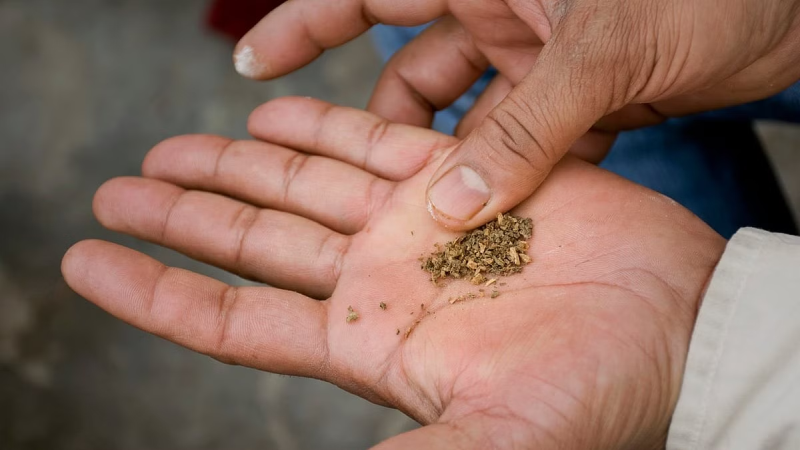
Have we ever truly reflected on how deeply tobacco affects not just individual users, but entire families and generations? What was once used as a medicinal herb in ancient times has today become one of the most quietly destructive addictions in our society. Tobacco doesn’t just harm the body, it affects minds, weakens homes, and silently passes from one generation to the next.
The damage begins the moment nicotine, the addictive substance in tobacco, enters the bloodstream. It quickly affects the brain, disturbs its natural balance, weakens nerves, harms the heart, reduces immunity, affects digestion, spoils oral health, and disturbs emotional well-being. Over time, it dulls the senses of taste and smell, and slowly drains vitality. Yet, many people wrongly believe tobacco relieves stress. In reality, it worsens problems, invites illness, and adds silent burdens to life.
Among the most ignored, yet harmful forms of this addiction are chewable tobacco products like Ghutka, Naswar, Pan-Masala, and other flavored substances. These are inexpensive, easily available, and often contain dangerous chemicals. They are directly linked to mouth cancer, dental problems, ulcers and impaired mental focus. In many cases, children, observing their elders at home, unconsciously pick up these habits without understanding the risks. The early effects, stained teeth, poor concentration, and weak memory, quietly take root, affecting their mental and emotional well-being.
Cigarettes and bidis, rolled tobacco leaves tied with a thread, are equally dangerous. They damage the lungs, increase the risk of cancers, weaken the heart, and impair breathing. Bidis, often wrongly considered a “lighter” or “cheaper” alternative, actually deliver more nicotine and harmful chemicals than cigarettes. The smoke from both fills homes with invisible toxins, affecting children and non-smoking family members alike.
Hookah, another traditionally accepted form of tobacco use, is mistakenly thought to be safer because its smoke passes through water. In reality, a single hookah session can expose a person to more smoke and harmful chemicals than several cigarettes. The flavored tobacco used in hookahs carries the same deadly risks and addiction.
Naswar, a moist paste or powder placed under the lip or inside the cheek, is particularly harmful. It can cause mouth cancer, digestive problems, and mental disturbance. Pan-Masala and other similar products may appear harmless, but slowly erode oral health, often leaving people unable to eat, speak, or swallow properly.
The truth Is, every form of tobacco, whether smoked, chewed, inhaled, or dipped, is extremely harmful and dangerous. No type is safe or risk-free. Whether it comes as a cigarette, bidi, hookah, Ghutka, Naswar, Pan-Masala, or any other product, it damages the body, poisons the mind, and silently harms the family. The tragedy lies in how society tends to excuse these habits in the name of old customs, ignorance, or poverty, forgetting that no justification is enough to allow slow self-destruction and damage to future generations.
In many poor families and certain communities, this addiction has become so normalized that tobacco is purchased alongside groceries like rice, flour, and vegetables. Elders openly use it, children quietly observe, and the cycle continues. What’s most concerning is the casual acceptance of this habit. Even when addicted parents advise their children to avoid it, their words carry little weight, as children imitate what they see. Parents, relatives and neighbours, rather than discouraging the habit, defend it with remarks like, “Everyone uses it, what’s the harm?”
It is time for families, communities, schools, and health workers to unite against this silent menace. Awareness campaigns, simple educational programs, counseling, and strict, effectively implemented laws are essential. Schools must actively educate children about these dangers, while towns and villages should run outreach programs to help families free themselves from this cycle. Most importantly, parents must realize that sometimes the greatest risk their child faces is not from the outside world, but from what they unknowingly learn within their own home.
We owe it to our children, and the generations to come, to address this issue with honesty and courage. If we remain silent, this addiction will quietly continue destroying our health and homes.
syedmajid6676@gmail.com.

