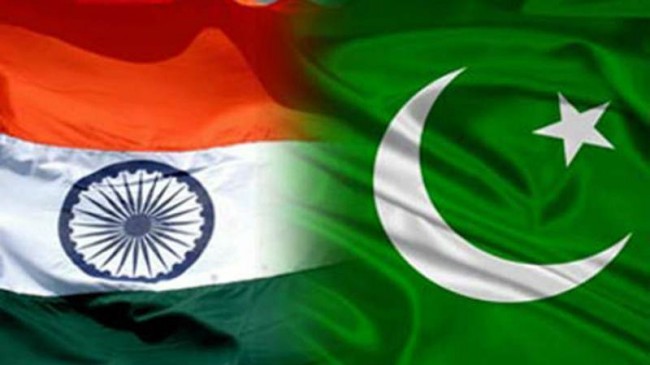

The reaffirmation of the ceasefire agreement between India and Pakistan along the Line of Control has drawn widespread approval from the international community and regional observers. While the move is a welcome step toward reducing hostilities, it is both natural and necessary to examine the motivations behind India’s decision and its broader implications.
Some skeptics—particularly within hardline nationalist and strategic circles—may interpret the move as a compromise or a softening of resolve. However, such interpretations overlook the broader strategic framework and the deliberate statecraft behind this decision.
India’s earlier military responses—be it surgical strikes or precision airstrikes—were never intended to escalate into a full-scale war. Rather, they were carefully measured responses to acts of terror, notably the heinous massacre of innocent tourists in Pahalgam. That tragic event provoked public outrage and demanded a strong governmental response. These military operations aimed to convey a message of deterrence, not to trigger prolonged conflict.
Viewed in this context, the ceasefire is not a retreat but a recalibrated strategy. It marks a shift from kinetic action to diplomatic engagement. Far from signaling weakness, it reflects India’s capacity to act decisively when needed and to show restraint when it serves the national interest.
That said, concerns about the agreement’s long-term viability remain valid. Many question whether it will meaningfully curb cross-border infiltration or militant activity. Given the history of ceasefire violations and ongoing proxy conflict, such doubts are neither unfounded nor overly pessimistic.
However, expecting a complete halt to infiltration is unrealistic. Infiltration—especially by non-state actors—is difficult to fully prevent, particularly along the rugged, porous, and disputed borders of the LoC. Eradicating it would theoretically require dismantling the adversary’s state apparatus—an impractical and undesirable outcome even in asymmetric warfare.
This is where leadership matters. Responsible governance demands a long-term perspective—one that weighs the catastrophic costs of military escalation between two nuclear-armed neighbors. Human lives, economic stability, and regional peace hang in the balance. In today’s interdependent world, war is seldom a viable solution. Diplomacy, not destruction, best upholds national interest without jeopardizing security.
Moreover, the global geopolitical landscape increasingly favors dialogue and de-escalation. India’s decision to uphold the ceasefire underscores its status as a mature democracy committed to strategic patience. Exercising restraint in the face of provocation does not diminish power—it strengthens it, especially when such restraint stems from a position of strength.
Crucially, nearly every armed conflict in history ends with a ceasefire, followed by dialogue. This is not an exception but the norm in international conflict resolution. What is unfolding now between India and Pakistan is consistent with that pattern—and there is nothing weak or compromising about it. It reflects a logical and rational progression toward peace.
Looking ahead, the focus must now shift to sustained dialogue. The ceasefire creates a window—however limited—for rebuilding trust and exploring areas of cooperation. Structural dialogue must address the fundamental drivers of hostility, not just border tensions.
Confidence-building measures, trade ties, and people-to-people engagement are essential to fostering long-term peace. While progress may be slow and setbacks likely, the alternative—a return to violence—benefits no one.
In conclusion, the ceasefire should not be seen in isolation. It is a strategic pause—a conscious decision to avoid the spiral of endless confrontation. It reflects maturity, responsibility, and hope. The leadership on both sides must now ensure that this opportunity is not wasted but used as a stepping stone toward a stable and prosperous South Asia.
(The author is a freelancer, national TV debater, and columnist. Views expressed are personal. He can be reached at ahmadayaz08@gmail.com)