In the vibrant tapestry of Islamic traditions, Shab-e-Barat stands out as a night of profound significance and spiritual introspection. Observed annually on the 14th and 15th nights of Sha’ban, the eighth month of the Islamic lunar calendar, Shab-e-Barat holds deep cultural and religious roots across the Muslim world.
History
The origins of Shab-e-Barat can be traced back to the early days of Islam. While the exact historical events leading to its observance are not explicitly mentioned in the Quran or Hadith, the night has been revered for centuries as a time of divine mercy and forgiveness. It is believed that on this night, Allah decides the fate of every individual for the upcoming year, making it a pivotal moment in the Islamic calendar.
Significance
Shab-e-Barat holds multifaceted significance in Islamic theology and practice. Central to its observance is the belief that on this night, the destiny of every individual is written for the coming year. It is a time when Allah’s mercy and forgiveness are believed to be at their peak, and sincere prayers and repentance are more likely to be accepted.
Moreover, Shab-e-Barat serves as a reminder of the transient nature of life and the importance of spiritual purification. Muslims are encouraged to reflect on their actions, seek forgiveness for past transgressions, and strive to improve themselves in the eyes of Allah. It is a night of renewal and recommitment to one’s faith.
Rituals and Practices:
The night is marked by various rituals and practices, which vary across different cultures and regions. One of the most common observances is engaging in special prayers known as “Nafl” prayers, recitation of the Quran, and seeking forgiveness through supplication. Many Muslims spend the night in prayer and meditation, seeking divine blessings and guidance.
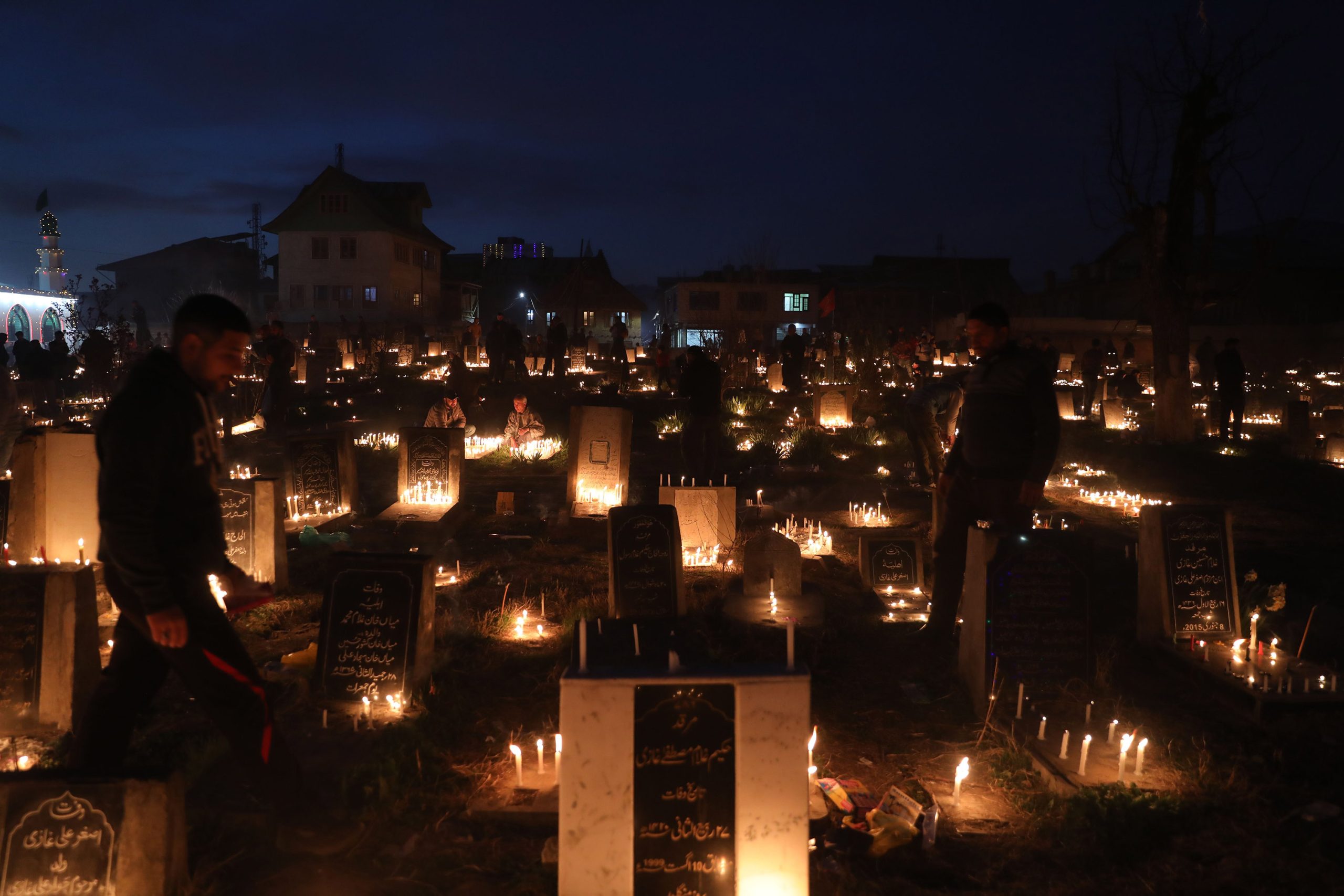
Visiting the graves of loved ones is also a prevalent practice on Shab-e-Barat. Muslims believe that offering prayers for the deceased and seeking forgiveness on their behalf can alleviate their suffering in the afterlife. It is a time for remembrance and honoring the memory of departed souls.
Acts of charity and kindness hold particular importance on Shab-e-Barat. Muslims are encouraged to extend help to the less fortunate, distribute food among the needy, and reconcile with estranged family members or friends. It is a time to foster unity, compassion, and goodwill within the community.
Cultural Traditions:
Shab-e-Barat is celebrated with cultural festivities in many parts of the Muslim world. Streets are illuminated with colorful lights, homes are decorated with traditional ornaments, and special dishes and sweets are prepared and shared among neighbors and relatives. In some regions, bonfires are lit, symbolizing the burning away of past sins and purification of the soul.
Diverse Interpretations:
While Shab-e-Barat holds significant religious importance for Muslims, interpretations of its significance may vary among different sects and schools of thought within Islam. Some scholars emphasize the night’s role as a time of divine decree and judgment, while others focus on its spiritual aspects of reflection and repentance. Despite these differences, the overarching message of seeking forgiveness and spiritual renewal remains universal among believers.
In essence, Shab-e-Barat serves as a sacred occasion for Muslims to reaffirm their faith, seek forgiveness, and strive for spiritual purification. It is a night of introspection and renewal, reminding believers of their accountability before the Divine and the importance of sincere repentance. As Muslims around the world come together to observe this auspicious night, the spirit of forgiveness, compassion, and unity resonates deeply within the hearts of the faithful.
Shab-e-Barat, also known as the Night of Records, is deeply ingrained in the cultural and religious fabric of the Muslim world. Its significance transcends geographical boundaries, as Muslims from diverse backgrounds come together to observe this auspicious occasion. From special prayers and acts of charity to cultural festivities and communal gatherings, Shab-e-Barat is a time for spiritual reflection, repentance, and renewal.
Historical Roots
The origins of Shab-e-Barat can be traced back to the early days of Islam. While the exact historical events leading to its observance are not explicitly mentioned in the Quran or Hadith, the night has been revered for centuries as a time of divine mercy and forgiveness. It is believed that on this night, Allah decides the fate of every individual for the upcoming year, making it a pivotal moment in the Islamic calendar.
Cultural Significance
Shab-e-Barat holds multifaceted significance in Islamic theology and practice. Central to its observance is the belief that on this night, the destiny of every individual is written for the coming year. It is a time when Allah’s mercy and forgiveness are believed to be at their peak, and sincere prayers and repentance are more likely to be accepted.
Moreover, Shab-e-Barat serves as a reminder of the transient nature of life and the importance of spiritual purification. Muslims are encouraged to reflect on their actions, seek forgiveness for past transgressions, and strive to improve themselves in the eyes of Allah. It is a night of renewal and recommitment to one’s faith.
Rituals and Observances
Shab-e-Barat is marked by various rituals and observances, which vary across different cultures and regions. One of the most common practices is engaging in special prayers known as “Nafl” prayers, recitation of the Quran, and seeking forgiveness through supplication. Many Muslims spend the night in prayer and meditation, seeking divine blessings and guidance.
Visiting the graves of loved ones is also a prevalent practice on Shab-e-Barat. Muslims believe that offering prayers for the deceased and seeking forgiveness on their behalf can alleviate their suffering in the afterlife. It is a time for remembrance and honoring the memory of departed souls.
Acts of charity and kindness hold particular importance on Shab-e-Barat. Muslims are encouraged to extend help to the less fortunate, distribute food among the needy, and reconcile with estranged family members or friends. It is a time to foster unity, compassion, and goodwill within the community.
Cultural Traditions and Festivities
Shab-e-Barat is celebrated with cultural festivities in many parts of the Muslim world. Streets are illuminated with colorful lights, homes are decorated with traditional ornaments, and special dishes and sweets are prepared and shared among neighbors and relatives. In some regions, bonfires are lit, symbolizing the burning away of past sins and purification of the soul.
Diverse Interpretations
While Shab-e-Barat holds significant religious importance for Muslims, interpretations of its significance may vary among different sects and schools of thought within Islam. Some scholars emphasize the night’s role as a time of divine decree and judgment, while others focus on its spiritual aspects of reflection and repentance. Despite these differences, the overarching message of seeking forgiveness and spiritual renewal remains universal among believers.
In essence, Shab-e-Barat serves as a sacred occasion for Muslims to reaffirm their faith, seek forgiveness, and strive for spiritual purification. It is a night of introspection and renewal, reminding believers of their accountability before the Divine and the importance of sincere repentance. As Muslims around the world come together to observe this auspicious night, the spirit of forgiveness, compassion, and unity resonates deeply within the hearts of the faithful.
The Author is a Social Activist/ Writer. askirfanattari@gmail.com