

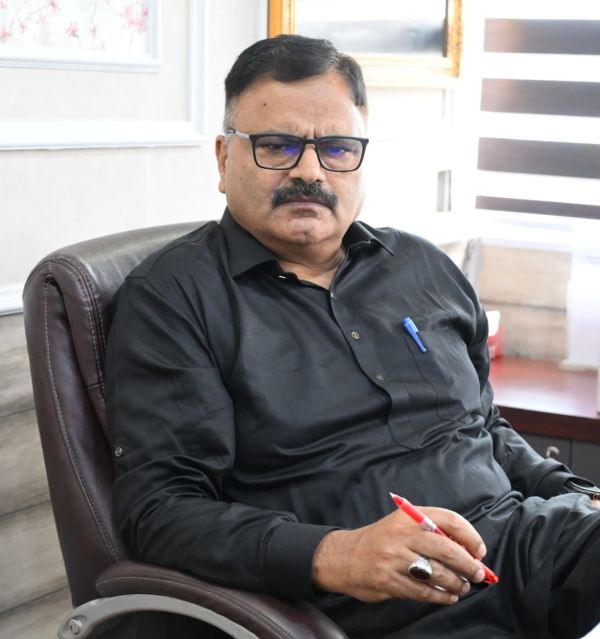

Jammu: Minister for Tribal Affairs, Food, Civil Supplies and Consumer Affairs, and Transport, Javed Ahmed Rana, on Monday reviewed the functioning of Gujjar and Bakerwal (G&B) hostels, implementation of the Forest Rights Act (FRA) and progress of various welfare and infrastructure projects being undertaken by the Tribal Affairs Department.
The minister chaired a comprehensive review meeting at the Civil Secretariat in Jammu to assess the implementation of tribal welfare initiatives, with particular focus on improving educational facilities and promoting the socio-economic empowerment of tribal communities.
During the review of G&B hostels, Rana examined the existing diet plan, quality of food served to students, posting and stay arrangements of wardens and other facilities available to boarders.
He stressed the need to maintain proper standards of hygiene, nutrition and accommodation to ensure that students residing in the hostels have a safe, healthy and supportive environment conducive to their studies.
The minister also reviewed the functioning of the Tribal Research Institute (TRI) and emphasised the need to strengthen its institutional capacity and research activities. He said the institute had an important role in documenting the socio-cultural heritage, traditions and developmental concerns of tribal communities.
Taking stock of the implementation of the Forest Rights Act, Rana said eligible tribal communities must receive the benefits and entitlements guaranteed under the legislation. He called for coordinated efforts among the concerned departments and field-level functionaries to facilitate the implementation process and resolve issues affecting the delivery of benefits.
The minister also reviewed the status of newly constructed hostels and assessed the physical and financial progress of ongoing projects being executed by the department.
He took stock of funds released under various schemes, their utilisation and progress against approved project components. He called for close monitoring of both financial expenditure and physical progress to ensure that projects were completed within the stipulated timelines.
Rana stressed that infrastructure created for tribal welfare must be made fully functional and put to optimal use. He directed the concerned officers to maintain close coordination, identify and address implementation-related bottlenecks, undertake regular monitoring and ensure accountability at every level.
He said effective implementation of welfare schemes and timely completion of infrastructure projects were essential to ensure that government initiatives reached the deserving sections of tribal communities.