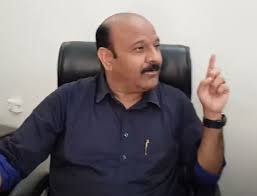
Jammu: Divisional Commissioner Jammu Ramesh Kumar and Inspector General of Police (IGP) Jammu Zone Bhim Sen Tuti on Monday reviewed the two-month progress of the ongoing 100-day campaign under the Nasha Mukt Jammu Kashmir Abhiyan and called for strengthening rehabilitation measures, counselling outreach and public awareness efforts.
Chairing a review meeting, the Divisional Commissioner assessed the implementation of the anti-drug campaign across Jammu Division. Officials informed the meeting that extensive awareness programmes have been conducted at tehsil, panchayat and village levels over the past two months, with participation from people belonging to different sections of society.
To strengthen community involvement, 4,779 Panchayat Mahila Samitis were constituted and 947 youth clubs activated. Awareness programmes involving religious leaders, youth clubs, Panchayat Mahila Samitis and religious institutions were also organised, resulting in hundreds of calls seeking counselling and assistance for drug abuse victims.
The meeting was informed that alongside awareness campaigns, enforcement agencies intensified action against drug trafficking and abuse. During the campaign, 155 drug hotspots were identified across Jammu Division. A total of 598 FIRs were registered and 701 alleged drug peddlers arrested. Authorities also issued 24 detention orders under the PIT-NDPS Act against drug smugglers.
Large quantities of narcotic substances, including heroin, ganja, charas and poppy straw, were seized. Authorities also destroyed illicit poppy cultivation, wild cannabis, lahan and illegal liquor during enforcement operations.
As part of deterrent measures, properties linked to alleged drug peddlers worth several crores of rupees were demolished, seized or attached. Action was also taken against vehicle registration certificates, driving licences and passports linked to individuals involved in narcotics-related activities.
On the rehabilitation front, officials informed the meeting that 884 youth were identified for rehabilitation out of 2,293 drug users. Of these, 547 have been rehabilitated while 254 have been connected with self-employment schemes.
Ramesh Kumar emphasised strengthening the rehabilitation ecosystem and expanding counselling services and helpline outreach. He stressed that drug abuse victims should be linked with livelihood opportunities and that children should be encouraged to participate in sports and constructive activities to prevent substance abuse.
The Divisional Commissioner directed district administrations to regularly monitor identified hotspots, maintain vigilance against emerging drug activity areas and adopt a data-driven approach to hotspot management. He also called for wider publicity of tele-assistance and helpline numbers related to drug abuse.
He instructed the Drug Controller and district administrations to conduct strict inspections of chemist shops and take action against illegal sale of regulated drugs. Stressing behavioural change through awareness programmes, he called for greater interaction with parents, teachers and students to facilitate early identification of substance abuse.
IGP Jammu Bhim Sen Tuti said significant progress had been achieved under the campaign but stressed the need for sustained efforts to eliminate drug abuse from society. He also directed district administrations to hold regular NCORD meetings to strengthen coordination among stakeholders.
The meeting was attended by Deputy Commissioners, SSPs, Excise Commissioner J&K, Director Social Welfare, SSP Anti-Narcotics Task Force, Director Colleges, Drug Controller and senior officers from various departments