

Introduction
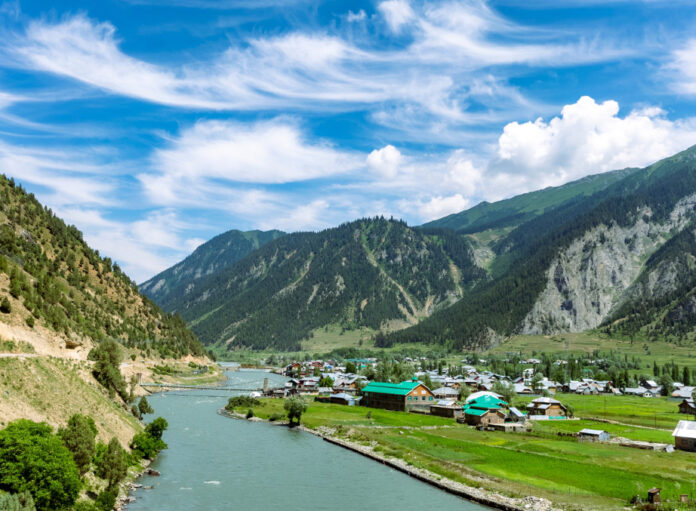
Gurez Valley of Jammu & Kashmir is a region of immense natural beauty and cultural richness. Yet, it faces significant challenges due to prolonged winters, geographical isolation, limited market access, and small landholdings. In such conditions, ensuring sustainable livelihoods is not easy. However, a quiet transformation is possible across the valley through home garden based agroforestry, an approach that is not only ecologically sound but also economically beneficial, especially for women.
Concept of Home Garden Agroforestry
Home garden agroforestry is a traditional and sustainable land-use system that integrates trees, crops, and sometimes livestock within small plots around households. These systems are typically multi-layered, comprising fruit trees such as apple, walnut, and apricot; seasonal vegetables like spinach, beans, cabbage, and peas along with fodder species and medicinal plants. The multi-tier structure allows efficient use of space, sunlight, and soil nutrients. In Gurez, where landholdings are small and fragmented, such systems are particularly suitable as they maximize productivity from limited land resources.
Sustainability and Ecological Benefits
One of the key strengths of home garden agroforestry is its ecological sustainability. These systems mimic natural ecosystems, thereby enhancing soil fertility, conserving moisture, and reducing soil erosion. Leaf litter from trees enriches the soil, while crop diversity maintains ecological balance and supports biodiversity. Additionally, the presence of trees improves the microclimate by protecting crops from harsh winds and frost common challenges in Gurez. The system also contributes to carbon sequestration, making it an environmentally friendly approach to farming in fragile mountain ecosystems.
Livelihood Generation through Home Gardens
Home garden agroforestry provides multiple livelihood opportunities by producing fruits, vegetables, fodder, and fuelwood throughout the year. It reduces dependency on external markets and ensures self-reliance, particularly during winter when the valley remains cut off due to snowfall. Vegetable cultivation forms the backbone of livelihood generation in these systems. Crops such as radish, turnip, carrot, cabbage, beans, and peas are well suited to the region. These are short-duration crops that require minimal inputs and provide quick returns, making them ideal for small-scale farmers. Surplus vegetables can be sold in local markets, generating regular income for households. Moreover, the adoption of protected cultivation techniques, such as low-cost polyhouses, has enabled off-season vegetable production, allowing farmers to fetch better prices. Value addition further enhances income potential. Traditional practices like drying leafy vegetables, turnip, and beans for winter use can be scaled into small enterprises with proper training and market support.
Growing Tourism and Expanding Market Opportunities
In recent years, Gurez Valley has witnessed a noticeable increase in tourist inflow, attracted by its pristine landscapes, unique culture, and offbeat appeal. This rising tourism is not only boosting the local economy but also creating new market opportunities for agricultural produce, particularly vegetables grown. The increasing number of visitors has led to higher demand for fresh, locally produced, and organic vegetables. This presents a valuable opportunity for local households, especially women, to supply fresh produce directly to the tourism sector. Vegetables such as leafy greens, peas, beans, cabbage, and root crops can fetch premium prices due to their freshness and local origin. Home garden agroforestry, with its capacity for diversified and continuous production, is ideally suited to meet this growing demand. Women led home gardens can play a key role in establishing a reliable supply chain of fresh vegetables to the hospitality sector. Additionally, value-added products such as dried vegetables and herbal preparations can also be marketed to tourists as unique local specialties.
Women Empowerment through Agroforestry
Women are the backbone of home garden agroforestry systems in Gurez Valley. With increasing male migration, women play a crucial role in managing agricultural activities. Home gardens, being located close to households, allow them to balance domestic responsibilities with income-generating work. Women are actively involved in all stages of production from sowing and weeding to harvesting and processing. Importantly, income generated from these gardens often remains under their control, enhancing their financial independence and decision-making capacity. This empowerment contributes to improved household welfare, better nutrition, and enhanced social status.
Conclusion
Home garden based agroforestry emerges as a practical, sustainable, and climate-resilient land-use system for Gurez Valley, addressing the intertwined challenges of livelihood insecurity, nutritional deficiency, and environmental degradation. By integrating trees, vegetables, and other crops within small homesteads, it ensures year-round production, efficient resource use, and enhanced ecological stability. At its core, this system places women at the forefront of rural transformation. It not only strengthens their economic independence through regular income from vegetables and value-added products but also enhances their role in decision-making and household well-being. The growing tourist influx further amplifies its potential by creating a ready market for fresh and locally produced vegetables. With continued support from institutions like KVK Gurez, along with improved market linkages and capacity building, home garden agroforestry can evolve into a strong pillar of sustainable development in the valley. In essence, these small home gardens hold the power to transform livelihoods, empower women, and pave the way for a more resilient and self-reliant Gurez.
(Dr Jauhar Rafeeq is working as Scientist Agroforestry at KVK Gurez SKUAST-K While Dr Hilal Ahmad Malik is working as Head KVK/MAR&ES Gurez. He can be reached at jauharparrey93@gmail.com ).


