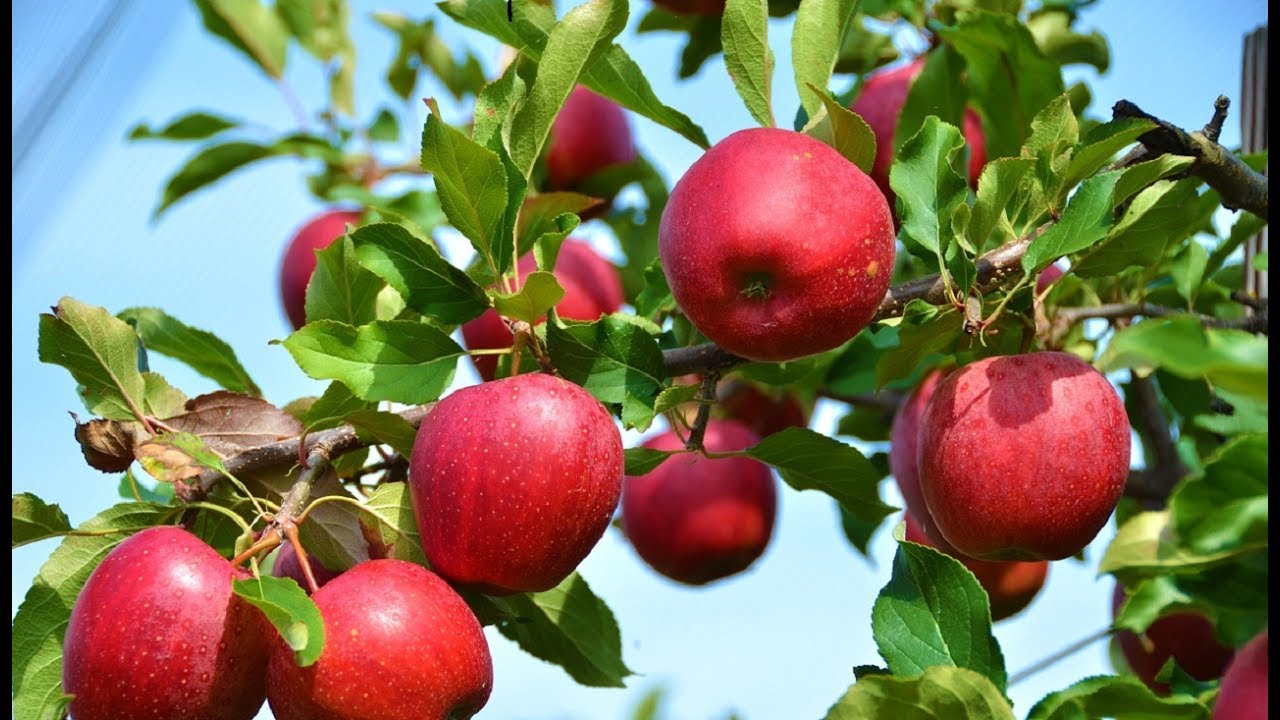
Srinagar: The Kashmir Valley Fruit Growers Cum Dealers Union (KVFG) has urged the Jammu and Kashmir Government to allocate substantial funds for the horticulture sector in the Budget Estimates for 2026–27, citing repeated natural disasters, mounting losses, and long-pending structural gaps that threaten the backbone of the Valley’s economy.
In a detailed memorandum submitted to Chief Minister Omar Abdullah and accessed by the news agency—Kashmir News Observer (KNO), the Union highlighted that horticulture remains the single largest contributor to the UT’s economy, directly or indirectly supporting more than seven lakh families. “However, growers and dealers have been pushed into deep financial distress due to consecutive crises, policy gaps, and inadequate infrastructure,” it noted.
The Union sought a comprehensive compensation package for losses suffered during the devastating floods of August–September 2025. The situation was further aggravated by the prolonged closure of the Srinagar–Jammu National Highway for over 20 days, during which thousands of fruit-laden trucks remained stranded, it mentioned.
“As a result, harvested fruit could not be transported outside the Valley and was left piled up in orchards and mandis, while disrupted supply chains led to a sharp collapse in market demand,” the memorandum stated.
The growers’ body estimates losses to the tune of ₹2,000 crore, and has demanded adequate budgetary allocation in 2026–27 to compensate for affected fruit growers and dealers.
The Union has also pressed for an immediate implementation of a crop insurance scheme for horticulture, on the lines of existing schemes for agriculture. Although such a scheme was announced earlier, it has yet to be implemented, the growers said, adding that the crop insurance is critical to protect orchardists from frequent natural calamities and market shocks.
Highlighting that over 40 per cent of the apple crop every season falls under Grade-C and “Ghiran” (fallen apples), the Union demanded the reintroduction of the Market Intervention Scheme (MIS). Under the earlier MIS, Grade-C apples were procured by the Horticulture Department at government-fixed rates, offering vital relief to growers. The scheme has remained shelved for several years, pushing farmers towards distress sales.
The memorandum also called for the establishment of a dedicated Horticulture Estate on the pattern of Industrial Estates in J&K. Such an estate, equipped with CA stores, cold storage units, canning factories, juice plants, and allied units under a single-window system, it said, would strengthen post-harvest management and value addition.
To support marginal growers, the Union sought funding for setting up 150–200 CA/Cold Stores, particularly in North Kashmir, on a society or cooperative basis, with government subsidy and single-window clearances. This, it said, would help growers safely store produce during emergencies such as natural disasters.
With the cost of wooden apple boxes soaring due to diversion of poplar wood for plywood manufacturing, growers are increasingly dependent on cardboard packaging. The Union demanded a subsidy on tray-based cardboard boxes, similar to those used in Himachal Pradesh. It also sought an immediate ban on silicate-based cardboard boxes, terming them hazardous to health.
Among other demands placed before the government were treating Tree Spray Oil as an agricultural input, enhanced funding for fertilisers, pesticides, and organic inputs, establishment of modern testing laboratories in every district, increased allocation for horticulture tools and accessories, waiver of Kisan Credit Card (KCC) loans for the poorest growers, interest exemption on cash credit limits, introduction of irrigation facilities, especially on Karewa lands, under pilot projects.
It further demanded ugradation of major fruit mandis, including Parimpora, Sopore, Shopian, and Anantnag, with special emphasis on protective infrastructure at Shopian Mandi and government regulation of CA/Cold Store storage rates, which growers say are currently arbitrary and unaffordable
The Union warned that without strong policy support and financial backing in the 2026–27 budget, the horticulture sector may face irreversible damage, affecting livelihoods across the Valley. (KNO)