Historical Importance, Urban Challenges, and Future Development Projects
By: Hoor ul Ain Bakshi
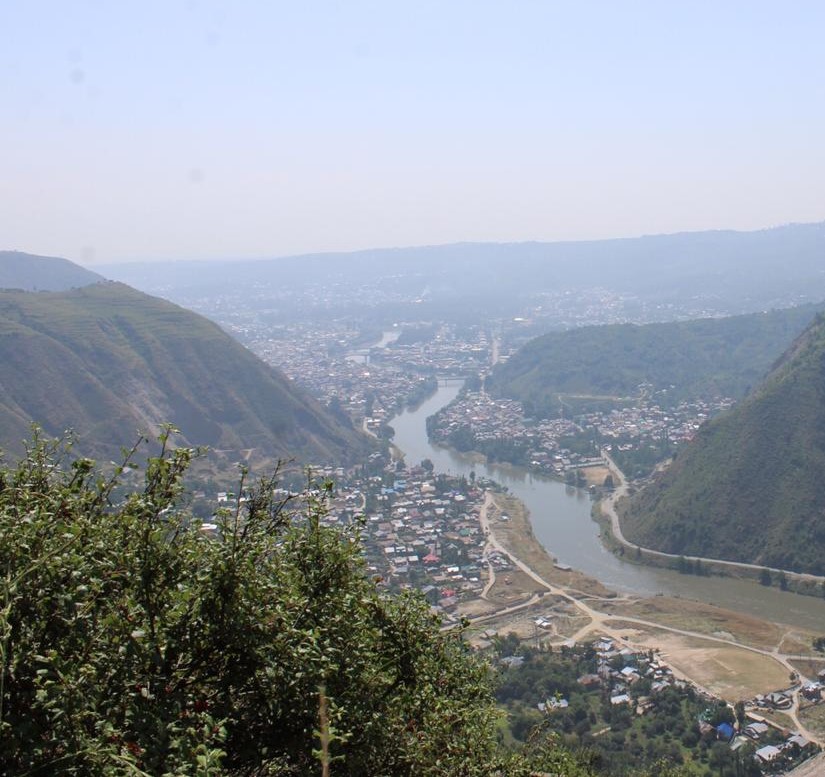
Old Town Baramulla, located on the northern bank of the Jhelum River in Jammu and Kashmir, is a vibrant mosaic of history, culture, and resilience. Known as Shehr-e-Khaas, it has long been recognised as the “Gateway to the Kashmir Valley,” a title earned because of its strategic position along the ancient trade route linking the valley to Muzaffarabad and Rawalpindi. However, alongside its rich historical legacy, the town faces significant urban challenges, while ongoing and planned development projects offer hope for a revitalised future.
Founded by Raja Bhimsina in 2306 BCE, Baramulla derives its name from the Sanskrit term Varāhamūla, meaning “boar’s molar,” rooted in Hindu mythology where Lord Vishnu, as a boar, struck the mountain to drain the ancient Satisaras lake. The town’s historical importance is emphasised by its role as a bustling trade centre along the Jhelum Valley Cart Road, akin to a Kashmiri Silk Road, fostering cultural exchanges between Central and West Asia. Notable visitors, including the Chinese traveller Xuanzang and British historian Moorcroft, recorded its prominence.
Mughal emperors, especially Akbar in 1586 CE and Jahangir in 1620 CE, were captivated by Baramulla, with Akbar’s visit described in Tarikh-e-Hassan as transforming the town into a “bride adorned.” The 15th-century Muslim saint Syed Janbaz Wali established Baramulla as a spiritual centre; his shrine attracts pilgrims from across the valley. The town’s religious diversity, embracing Hindus, Muslims, Buddhists, and Sikhs, exemplified by the 1620 visit of the Sikh Guru, creates a rich tapestry of cultural syncretism, making it a microcosm of Kashmir’s heritage. However, the 1947 tribal invasion devastated Baramulla, leaving it in ruins and creating a scar that continues to shape its modern narrative.
Today, Old Town Baramulla faces considerable urban challenges, chiefly due to its congested infrastructure and neglect of its historic heritage. The narrow, jam-packed lanes, housing multiple families in cramped conditions, pose severe risks during natural disasters like earthquakes or fires, as demonstrated by a 2025 fire that destroyed 17 homes, leaving 29 families homeless.
The 2005 earthquake exposed these vulnerabilities, prompting the “Greater Baramulla” decongestion programme, which aimed to relocate residents and widen roads but has been stalled for nearly twenty years due to bureaucratic delays and changes in land acquisition laws. Residents raise concerns over the lack of basic amenities, including proper drainage, healthcare, and educational facilities.
Youth unemployment and diminishing private-sector opportunities foster feelings of alienation, while past associations with militancy and drug abuse have added to the area’s stigma. The absence of a permanent fire station worsens safety issues, as fire tenders struggle to navigate the maze-like streets.
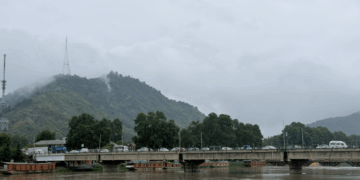
Despite these difficulties, Baramulla’s future offers hope through targeted development initiatives. Infrastructure improvements since 1947 include expanded road networks and five bridges connecting the old town to the new, with five more planned, including one linking Khanpora and Drangbal. Railway connectivity to Srinagar, Anantnag, and Qazigund, with future extensions to Banihal and Jammu, enhances regional integration. Educational projects, such as GAASH Academy, provide free education to underprivileged children, fostering hope and countering the town’s troubled past.
The government’s focus on tourism, emphasising Baramulla’s proximity to Gulmarg and Wular Lake, aims to boost economic growth sustainably. The stalled decongestion project, estimated to cost Rs 25 crore, is under review for revival, promising wider roads, modern amenities, and disaster-resistant infrastructure. Plans for a permanent fire station and support for families affected by fires reflect a commitment to safety and recovery.
Thus, it can be concluded that the Old Town Baramulla’s legacy merges historical grandeur, cultural diversity, and enduring resilience. While urban challenges like congestion and neglect persist, ongoing and proposed development projects provide a pathway to renewal. By balancing its historic charm with modern infrastructure, Baramulla can reassert itself as a vibrant gateway to Kashmir, ensuring a future where its past inspires progress and prosperity.
(judgesaeb@gmail.com)