Srinagar: A quiet transformation is unfolding beneath the floorboards of Kashmiri homes as traditional ‘hamams’ (floor thermal mass) — that use firewood to keep warm in the harsh winters — are making way for electric ones owing to affordability, cleanliness and convenience.
An unfamiliar foreign novelty in Kashmir over a decade ago, electric ‘hamams’ have now evolved into a full-fledged industry in the region owing to their convenience, comfort, and environmentally friendly and modern outlook.
For years, the traditional hamam — a hollow chamber beneath limestone slabs heated by burning firewood — has been the centrepiece of winter survival in Kashmir.
However, over the last few years, a growing number of urban and suburban households are trading axes, logs, and smoke for thermostats and underfloor heating elements.
The electric ones offer a great alternative to firewood hamams or other conventional methods to keep homes warm in the harsh winters in the Kashmir valley, which sees temperatures plunging several degrees below the freezing point.
Electric hamams are affordable, as normal hamams incur costs upwards of Rs 1 lakh each, while their electric counterparts in most homes cost under Rs 50,000.
While the electric underfloor heating technology initially struggled to gain traction in the valley as homeowners were unfamiliar with the concept and sceptical of wiring electrical circuits beneath finished floors, the innovation now has acceptability far and wide as more and more households are adopting the trend.
“There is a growing trend of people now installing electric hamams in Kashmir. Over the last few years, the business has grown, and there is an increase in queries as well as demand for the electric hamams,” a dealer, Asif Ahmad said.
He said specialised installation teams operate across the valley and they are backed by a competitive dealer network offering multiple brands and price points.
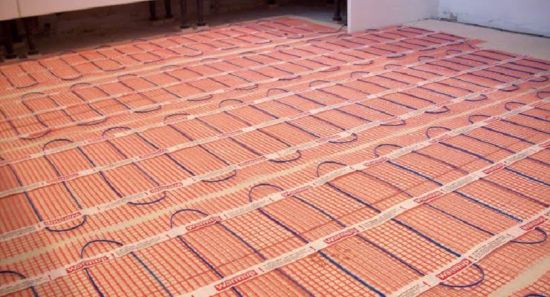
Explaining the concept, Ahmad said that the electric hamams are modern adaptations of the traditional ones — that use electricity to generate heat. These hamams are fitted with electric heating elements embedded under tiles or flooring.
Reflecting on the convenience and ease of use, he said the electric system allows for easier temperature control and eliminates the need for firewood, making it a cleaner and more convenient option for many households.
“Unlike traditional hamams, electric versions require no firewood storage, daily stoking, or ash clean-up, and they produce zero indoor smoke,” he added.
Modern installations are insulated to retain heat for four to five hours even after being switched off, allowing homeowners to warm a room without running the system continuously, he said.
Mohammad Owais, another dealer, said in urban centres like Srinagar, sourcing quality firewood has become increasingly expensive and labour-intensive, making electric alternatives more attractive for modern and renovated houses.
“Electric heating mats and cables can be installed into existing rooms or even new ones in a matter of hours, in contrast to stone hamams that need substantial masonry work during initial construction,” Owais said.
Counting the advantages of electric hamams over traditional ones, he said there is even heat distribution, as the electric underfloor heating delivers consistent warmth across the entire floor surface.
“It delivers more energy-efficient heating, with zero maintenance and healthier comfort,” Owais added.
Khurshid Sofi, a local who has been using the electric hamam for over two years now, said the technology has provided ease and comfort to the people.
“The set-up and usage are very easy compared to the fuel-wood hamams. It is operated from the comfort of the house with the pressing of just one switch. There is no pollution, no hectic labour required, no regular check-ups and cleaning,” he said.
While many flagged concerns like the frequent electricity outages in the winter and rising electricity tariffs as disadvantages for electric hamams, Sofi asserted that its advantages outweigh the drawbacks.