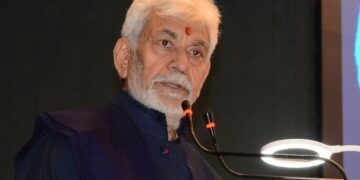
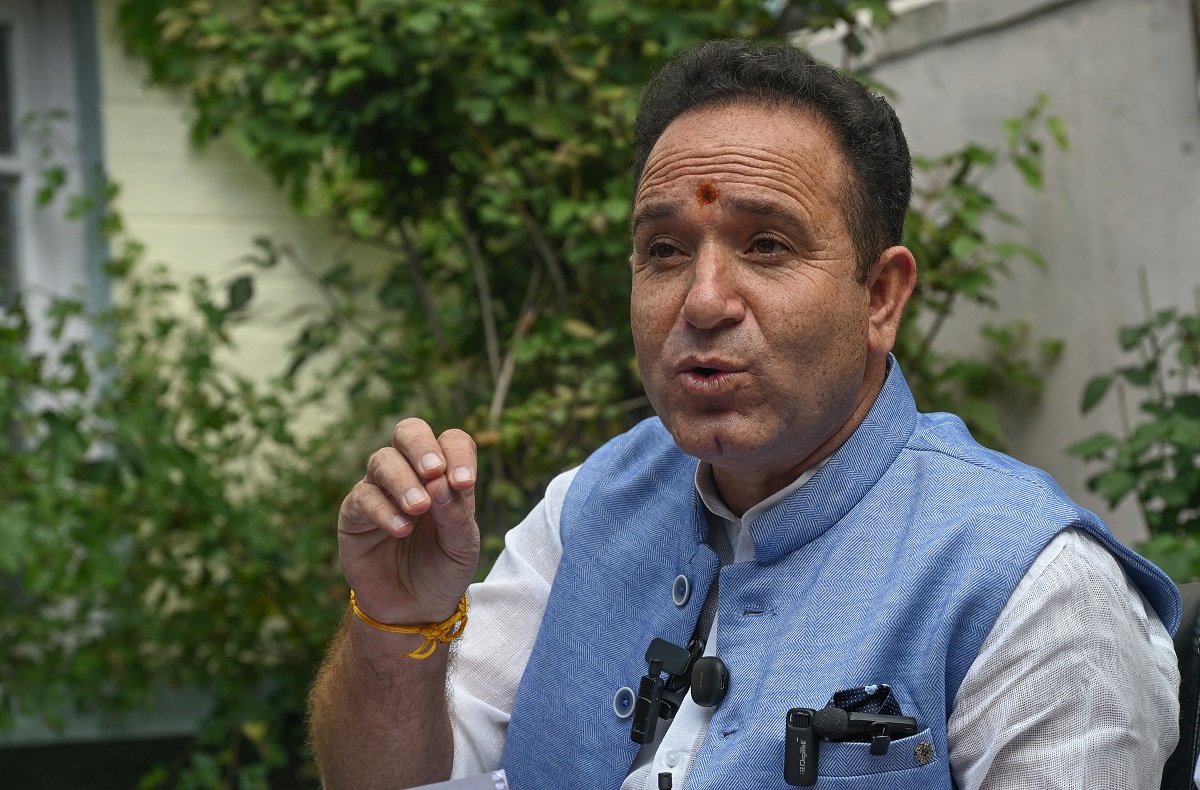
JAMMU: Leader of Opposition in the Jammu and Kashmir Legislative Assembly Sunil Sharma on Wednesday criticised the National Conference government’s decision to constitute informal advisory groups of its legislators, alleging that the arrangement was intended to manage internal dissent rather than improve governance.
Questioning the authority under which the groups were constituted, Sharma said NC president Farooq Abdullah did not hold any constitutional or governmental office and asked why ministers were being asked to report to party-level groups.
He alleged that the arrangement reflected the concentration of decision-making within the party leadership rather than established government institutions.
Sharma also raised concerns over the alleged preferential access that NC legislators could receive to ministers and advance information on policy decisions, saying Opposition legislators and their constituents should have equal access to the government.
He pointed out that even the NC’s alliance partners had been excluded from the arrangement and questioned whether the groups would have access to departmental files, review expenditure or question government officers.
The LoP said that if the groups had no administrative powers, they would serve little purpose, while any exercise of official authority by them could create parallel centres of power outside the established constitutional framework.
He maintained that ministers were accountable to the Chief Minister and the elected Assembly, not to party-level groups, and said the Assembly and its committee system were the appropriate forums for examining government policies and scrutinising departmental functioning.
Sharma also questioned the propriety of ministers sharing confidential departmental information with informal party forums, saying such disclosures would require clarity on the rules and authority governing their functioning.
Alleging that the groups had been created to accommodate legislators who could not be inducted into the Council of Ministers, he described the arrangement as an attempt to placate dissatisfied NC MLAs.
As an alternative, Sharma suggested setting up all-party consultative committees to involve elected representatives across party lines in policy discussions.
He said such committees would promote transparency, strengthen institutional accountability and provide all legislators an opportunity to contribute to governance.