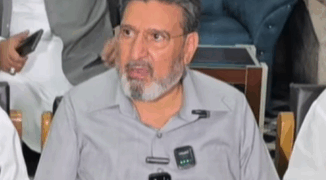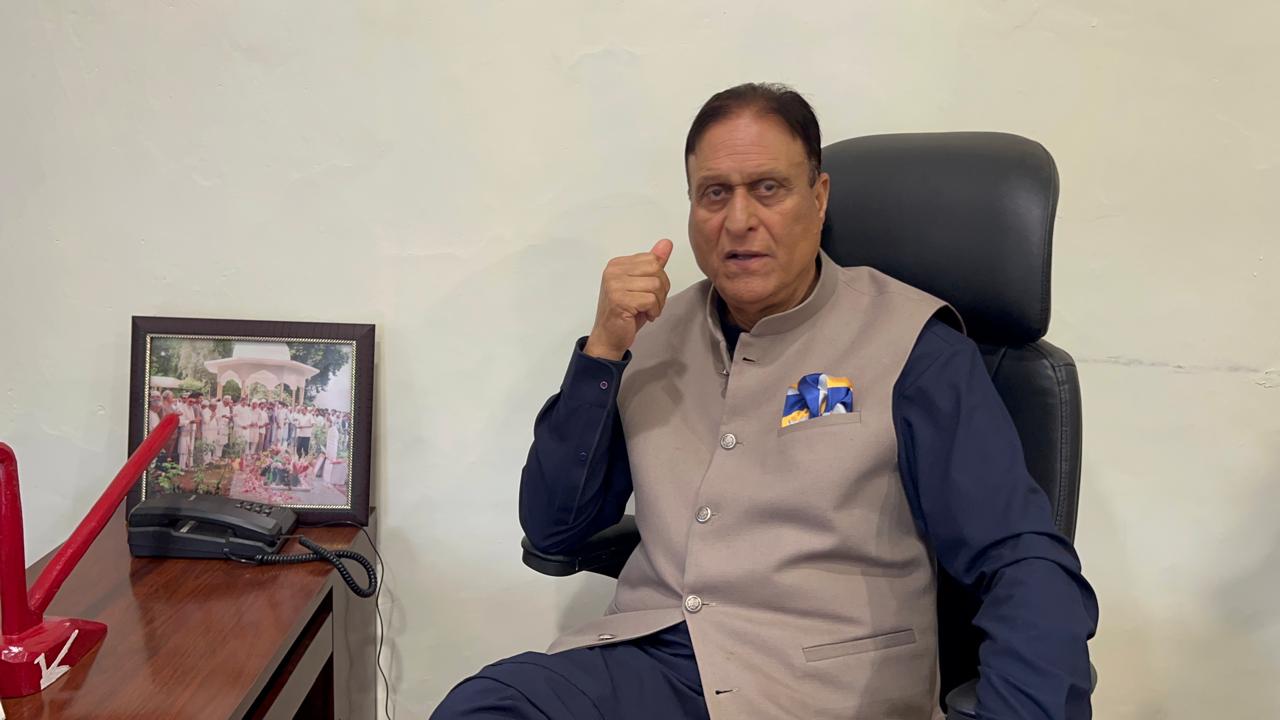
SRINAGAR: Jammu and Kashmir National Conference (NC) Additional General Secretary Chowdhary Mohammad Ramzan on Thursday reiterated that restoration of Jammu and Kashmir’s special status and statehood remained the party’s political agenda, asserting that it had not abandoned its commitment despite the Supreme Court verdict on Article 370.
Addressing a party meeting at its headquarters, Ramzan said the NC had challenged the August 5, 2019 decisions through constitutional, legal, political and democratic forums, including the Supreme Court, and would continue its struggle.
He accused those questioning the party’s commitment of attempting to mislead people through what he described as false propaganda and misleading statements.
Ramzan said the party had consistently raised the demand for restoration of special status in Parliament, the Jammu and Kashmir Legislative Assembly and public gatherings. He also referred to the NC representatives in the Rajya Sabha raising the demand for the restoration of Articles 370 and 35A.
He said the Assembly had passed a resolution seeking restoration of special status during its first session after the 2024 elections, besides adopting a separate resolution on restoration of statehood. He described these steps as evidence of the party’s commitment to its electoral promises.
Commenting on Lok Sabha member Aga Ruhullah, Ramzan said he had been elected to represent the aspirations of the people of Jammu and Kashmir but had chosen to confront his own party instead of challenging the policies of the BJP-led Union Government.
He questioned whose agenda was being strengthened by targeting the NC while, according to him, avoiding criticism of the BJP, RSS and the Union Government.
Ramzan said the NC had made sacrifices for the protection of the rights, identity and dignity of the people of Jammu and Kashmir and would not compromise on its stated position.
He maintained that criticism and social media campaigns could not undermine the party’s history or its public support, adding that restoration of special status and statehood remained central to its political agenda.