New Delhi: The Cabinet on Wednesday approved a Rs 14,500 crore Viability Gap Funding Scheme to develop 92 GWh grid-scale energy storage systems to accelerate renewable energy integration in the country.
The five-year scheme till fiscal 2030-31 will support 30 GWh battery energy storage systems, 60 GWh pumped storage projects and 2 GWh emerging storage technologies.
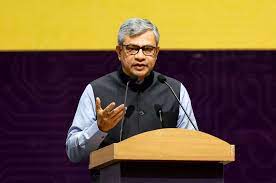
Information and Broadcasting Minister Ashwini Vaishnaw briefed reporters about the various aspects of the scheme approved in the Cabinet meeting chaired by Prime Minister Narendra Modi.
The scheme aims to support the development of 92 GWh of, yet to be commissioned; energy storage capacity across the country.
It will also support the creation of new capacities equivalent to 170 per cent of the present-day Grid Scale Energy Storage System capacity in the country and help meet the required Grid Scale ESS capacity of 411 GWh by 2031-32.
An official release said the scheme marks a significant step towards strengthening India’s power sector infrastructure, facilitating large-scale integration of renewable energy and ensuring reliable, affordable and round-the-clock power supply.
It will also provide an impetus to domestic manufacturing of battery energy storage systems, reduce import dependence and enhance the country’s long-term energy security.
The scheme envisages the development of 60 GWh of hydro pumped storage plant (PSP) capacity, 30 GWh of battery energy storage system (BESS) capacity and 2 GWh of capacity through alternative energy storage technologies, with a total estimated investment of Rs 97,600 crore.
The release said that the scheme will accelerate renewable energy integration, strengthen grid stability and ensure reliable and affordable round-the-clock power supply.
“Energy storage capacity will be allocated through a tariff-based competitive bidding process,” it said, adding that public and private sector electricity distribution companies will be eligible for VGF support for BESS and Hydro PSP projects.
Projects based on alternative energy storage technologies will be implemented by public and private sector entities.
The release further said that a key objective of the scheme is to strengthen India’s domestic energy storage manufacturing ecosystem through demand-side financial support and reduce dependence on imported components.
To promote indigenous manufacturing, BESS projects will be subject to a minimum Domestic Content Requirement (DCR) of 40 per cent.
The requirement will encourage domestic manufacturing, create opportunities for Indian industry and complement existing supply-side incentives for battery manufacturing, the release said.
“By accelerating the deployment of grid-scale energy storage, it will facilitate greater utilisation of renewable energy, address the variability of renewable energy generation and reduce dependence on conventional generation for meeting balancing round-the-clock power supply,” it said.
The initiative will strengthen grid stability, improve renewable energy integration, encourage domestic manufacturing and enhance India’s energy security, while advancing the vision of Atmanirbhar Bharat and Viksit Bharat, the release added.