SRINAGAR: The Jammu and Kashmir government has notified the Homestay Policy 2026, introducing a simplified registration mechanism, financial incentives and clean-energy support to encourage homeowners to enter the tourism sector and extend its economic benefits to rural, border, heritage and emerging destinations.
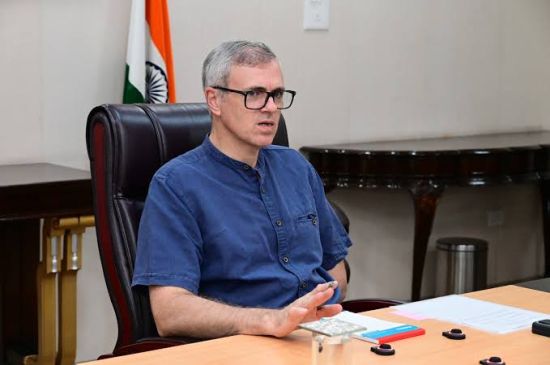
Chief Minister Omar Abdullah on Wednesday described the policy as a major step towards promoting sustainable tourism, strengthening local entrepreneurship and generating livelihood opportunities across Jammu and Kashmir. The policy was notified following approval by the Council of Ministers, chaired by the Chief Minister.
The framework seeks to expand quality tourist accommodation by enabling resident homeowners to register their properties as homestays or Bed and Breakfast (B&B) establishments, allowing households to earn additional income while offering visitors an opportunity to experience the region’s culture, heritage and hospitality.
A key feature of the policy is a streamlined registration system with Silver and Gold classifications, based on facilities, hygiene and safety standards. Provisional Silver registration will be granted within 28 days of submission of a complete application and will remain valid for six months, providing applicants with an initial registration route under the policy.
The policy also envisages financial assistance for eligible ventures, including a 35 per cent subsidy under the Prime Minister’s Employment Generation Programme (PMEGP), subject to applicable scheme conditions and a maximum project funding support of ₹20 lakh.
Incentives extend to operating costs and clean-energy adoption. Eligible homestays will be entitled to domestic utility tariff benefits, while homeowners can access solar subsidies under the PM Surya Ghar scheme. The policy also facilitates access to low-cost credit through Jammu and Kashmir Bank, subject to the relevant schemes and guidelines.
The government expects the new framework to encourage more local residents to participate in the tourism economy, particularly in areas that have not traditionally benefited from large tourist flows. By expanding accommodation options in rural and emerging destinations, the initiative aims to create new income streams for households, support small-scale entrepreneurship and promote a more community-based model of tourism.
Abdullah said the policy would help extend tourism beyond established destinations, strengthen local economies and promote Jammu and Kashmir’s cultural heritage. He said the broader objective was to ensure that tourism-led growth reaches communities across the Union Territory.
The policy is expected to expand the region’s hospitality infrastructure while encouraging greater community participation in tourism. Its implementation will determine how effectively the registration process, financial assistance and other incentives translate into new homestay ventures and sustainable livelihood opportunities for local residents.