New Delhi: The government has summoned Meta’s global head of public policy after the US-based social media company removed Prime Minister Narendra Modi’s post, in which he had addressed India’s youth and promised stringent measures against paper leaks, sources said on Tuesday.
Sources told PTI that Meta has told the government that a glitch in its automated content filters caused PM Modi’s Facebook post removal.
Meta’s explanation is not reasonable, and deeper discussions are needed, sources said, adding that the matter is “not settled and done”.
They further said that if a glitch in the automated system caused the error, then Meta must improve its tools.
Sources said that the global head of public policy of Meta (Facebook and Instagram) has been summoned by the IT Ministry over the issue.
Prime Minister Narendra Modi’s Instagram post on July 23, later shared on Facebook, had featured his first direct selfie video aimed at engaging with young people and underscoring the government’s commitment to crack down on paper leaks, but was subsequently restricted by Meta on Facebook, prompting BJP worker Priti Gandhi to question the platform’s actions.
In a post on X, she criticised Meta over the alleged restriction of Prime Minister Narendra Modi’s selfie video on Facebook, saying the move raised questions over the company’s political bias, transparency and accountability.
“The Prime Minister of the world’s largest democracy uploads his first direct selfie video to connect with India’s youth… and Facebook restricts it??? Who gave Meta the authority to decide what millions of Indians should or should not see???” she had said.
She added: “This isn’t just content moderation. It raises serious questions about your political bias, transparency & accountability. Respond!!!”
Meta has apologised and admitted that the content was removed “in error” and has since been restored on the platform.
“The content was removed in error and has since been restored,” Meta’s spokesperson said.
The video, posted on July 23 amid the student protest organised by the Cockroach Janta Party, was Prime Minister Narendra Modi’s outreach to youth where he had announced that a bill containing provisions for strong action against paper leaks will be introduced in Parliament.
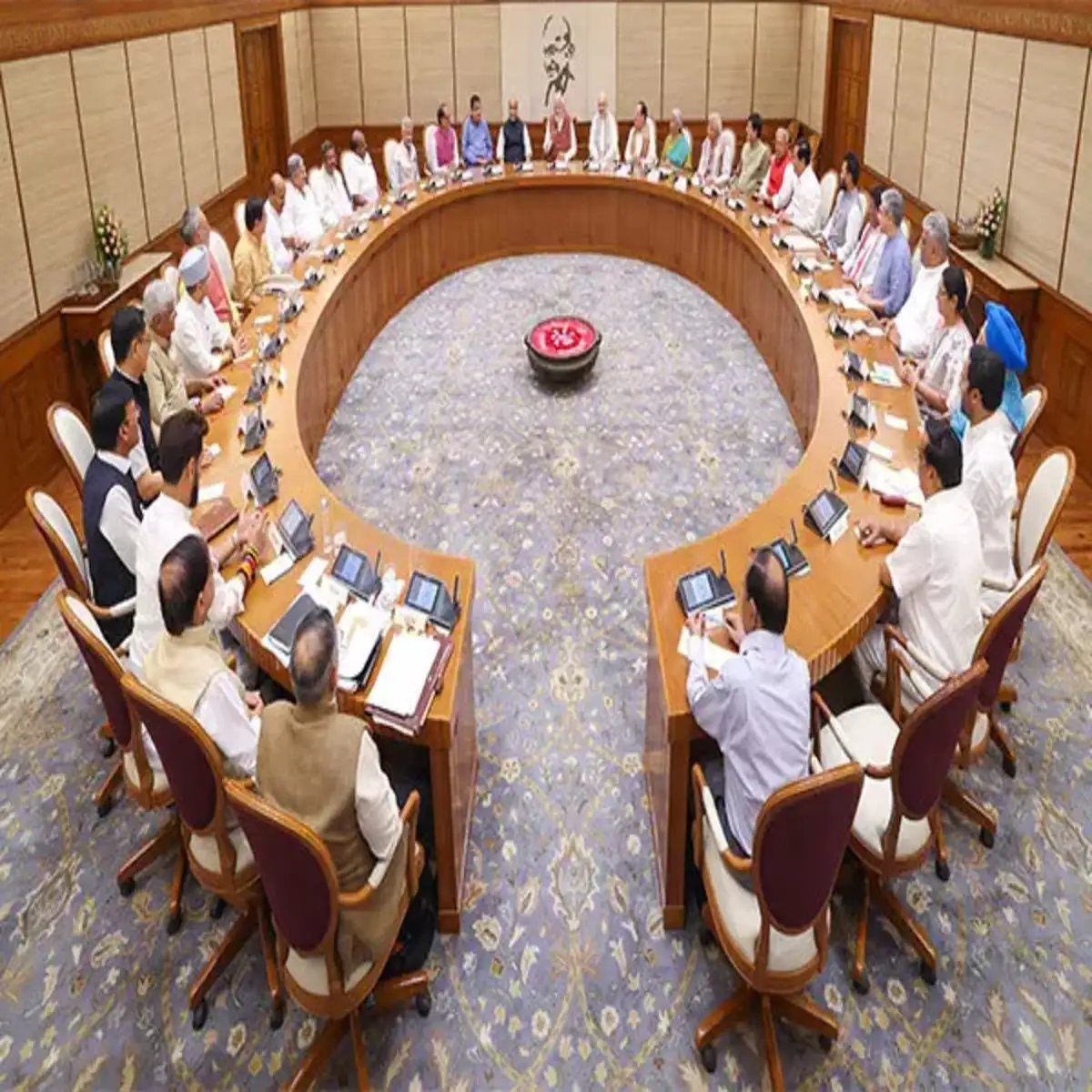
In that video post, Modi also said the contours of the bill will be discussed at a meeting of the Union Cabinet the next day (Friday), where the proposed legislation will be finalised.
Over the last few weeks, Meta has faced regulatory scrutiny on a number of issues.
The IT ministry issued a notice to WhatsApp earlier, questioning the Meta-owned platform’s proposed username feature, as the government flagged concerns that it could materially increase online fraud, phishing, digital arrest scams, and impersonation attacks. The Centre had also directed WhatsApp not to launch the feature until consultations on the issue are completed “to the satisfaction of the government”.
WhatsApp had subsequently assured the government that it would not roll it out in India until discussions are complete.
The government also slapped a stern notice on Meta over Child Sexual Exploitative and Abuse Material (CSEAM) in paid advertisements on Instagram. MeitY (Ministry of Electronics and Information Technology) ordered Instagram to disable all ads and content promoting and facilitating access to CSEAM, and demanded a detailed explanation bound to a deadline.
Within a few days of that notice, Meta outlined its efforts to combat child sexual abuse material (CSAM) across its apps, highlighting AI-powered detection and large-scale enforcement actions, and, in a blogpost, promised to continue investment in technology and resources to keep young people safe and strengthen its ad review processes.
Just a few weeks back, Meta’s announcement of Muse Image, which was then touted as its most powerful AI image generator, drew criticism and user concerns over data privacy, image scraping and consent, and the Indian government had said, at that point, that it will assess Meta’s Muse AI image generator under the existing legal framework.
Subsequently, however, the social media platform scrapped the controversial feature, which enabled users globally to create AI images using public Instagram accounts.
“We’ve heard the feedback that this feature missed the mark, so it’s no longer available,” Meta had said in a global post.
As social media platforms increasingly reshape the contours of digital content, public narratives and data ecosystems, the Centre has stepped up oversight of emerging technologies in the AI era, with a sharper focus on platform accountability and safeguards around user rights, privacy, transparency and consent.