

Overview
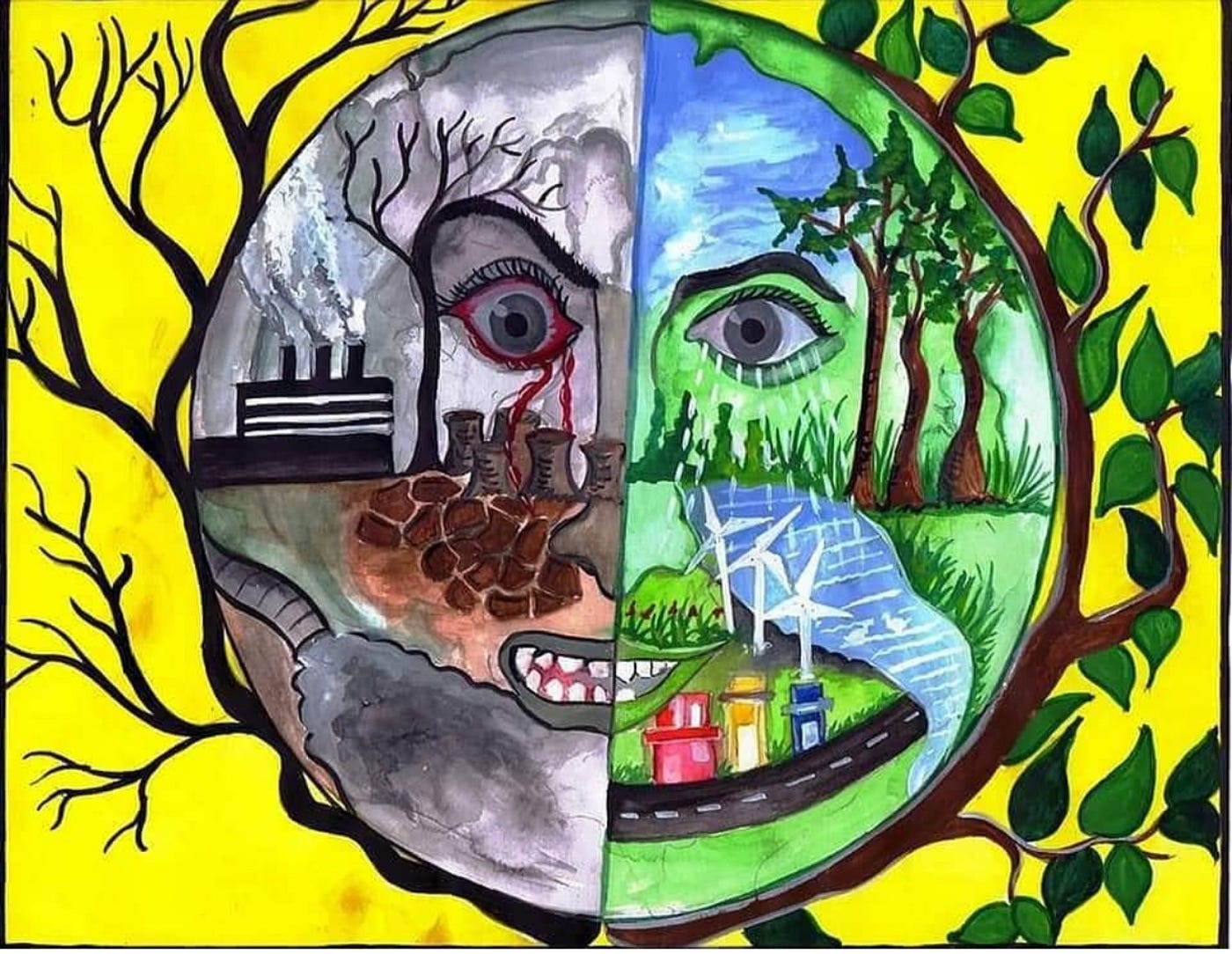
The environment is the foundation of life on Earth. It provides us with clean air, fresh water, food, and the natural resources we need to survive. Yet, despite its importance, human activities such as pollution, deforestation, and excessive plastic consumption are causing serious harm to nature. Protecting the environment is essential if we want a healthy and sustainable future.
Today, environmental issues have become a global concern. Air pollution from factories and vehicles affects the health of millions of people. Water pollution contaminates rivers, lakes, and oceans, putting both human lives and wildlife at risk. The growing use of plastic has created enormous amounts of waste that pollute ecosystems and endanger animals. Meanwhile, forests are disappearing at an alarming rate, reducing biodiversity and contributing to global warming.
One of the most serious consequences of environmental degradation is climate change. Rising temperatures, melting glaciers, unpredictable weather patterns, floods, droughts, and wildfires are affecting communities around the world. If we fail to address these challenges now, future generations will face even greater difficulties.
However, there is still hope. Every individual can contribute to protecting the environment. Simple actions such as planting trees, reducing plastic use, saving water and electricity, and recycling waste can make a significant difference. Adopting sustainable lifestyles and choosing eco-friendly products can also help reduce our impact on the planet.
Protecting the environment requires collective effort. Governments, schools, organizations, and local communities must work together to spread awareness and implement practical conservation measures. Environmental protection is not the responsibility of a few people—it is a duty shared by all of us.
As we move through 2026, let us renew our commitment to safeguarding our planet. The choices we make today will shape the future of Earth, our only home. By respecting nature and using resources responsibly, we can create a cleaner, greener, and healthier world for both present and future generations.
Causes of Environmental Degradation
- Air, water, and soil pollution
- Deforestation for urban development and industrial growth
- Excessive use of plastic and other non-biodegradable materials
- Overexploitation of natural resources
- Population growth and increasing waste generation
Impacts on the Environment
- Global warming and climate change
- Loss of biodiversity and wildlife habitats
- Water scarcity and droughts
- Health problems caused by pollution
- Natural disasters such as floods, heatwaves, and wildfires
Measures to Protect the Environment
- Plant more trees and prevent deforestation
- Reduce, reuse, and recycle waste
- Conserve water and electricity
- Use renewable and environmentally friendly energy sources
- Educate people about environmental conservation
Benefits of Environmental Protection
- Cleaner air and water
- Better health and quality of life
- Preservation of natural resources
- Protection of wildlife and biodiversity
- A sustainable future for coming generations
Practical Steps in Everyday Life
- Use reusable bags instead of single-use plastic bags
- Walk, cycle, or use public transport whenever possible
- Avoid wasting water, food, and electricity
- Participate in tree-planting and cleanliness drives
- Practice waste segregation and recycling at home
Conclusion
Protecting the environment is not just a responsibility—it is a necessity. Even small actions can create meaningful change when practiced consistently. Together, we can build a cleaner, greener, and healthier world. The future of our planet depends on the choices we make today.
“Keep the Earth clean and green before it’s too late.”
The author is a BA 2nd Semester student at GDC Thindima Kreeri, Baramulla. She can be reached at: Mehakmanzoor43640@gmail.com.


