New Delhi: The Centre on Tuesday announced an interim allocation of Rs 95,692 crore under the newly introduced VB-G RAM G scheme for a seamless transition, with Union Rural Development Minister Shivraj Singh Chouhan asserting that no state would face any reduction in funds.
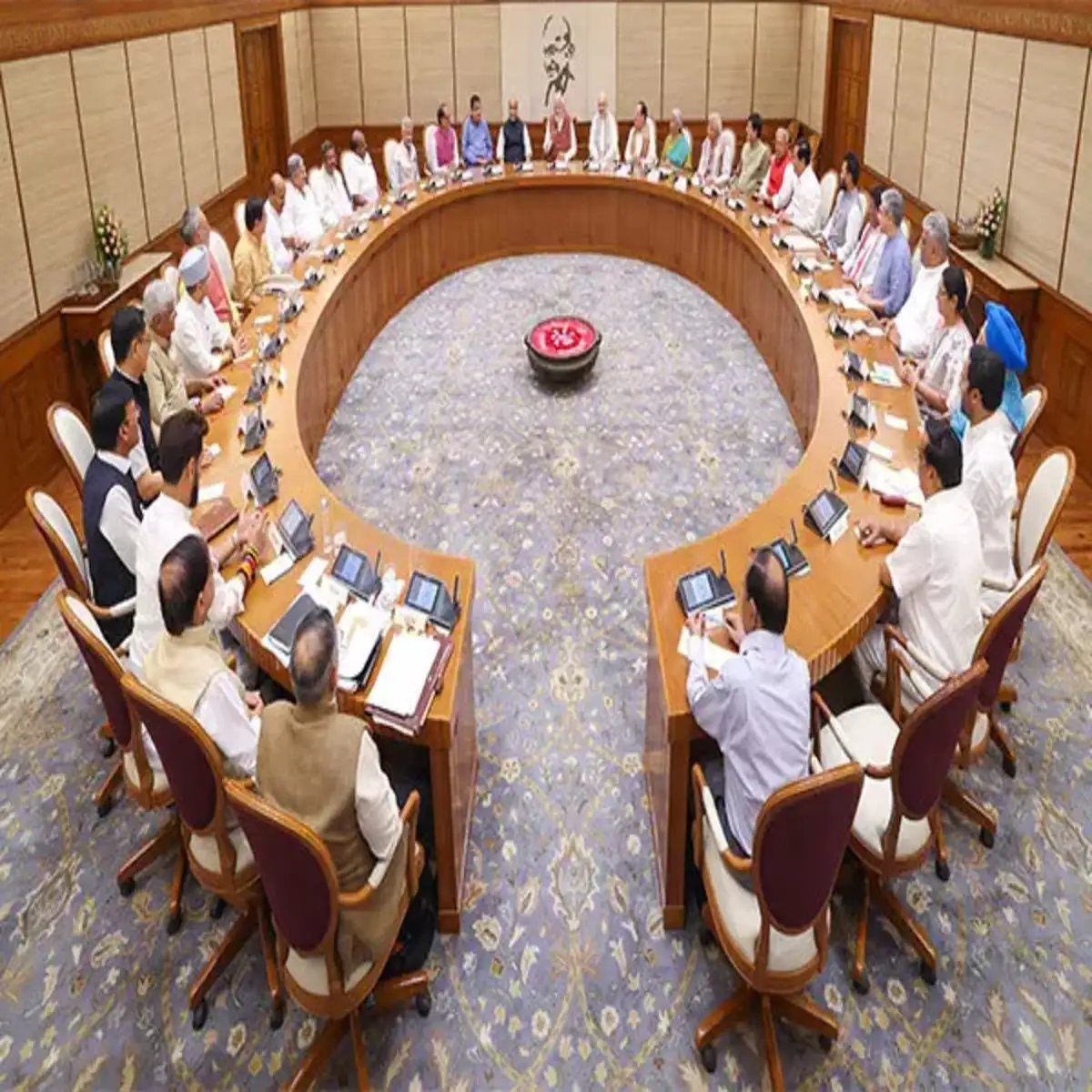
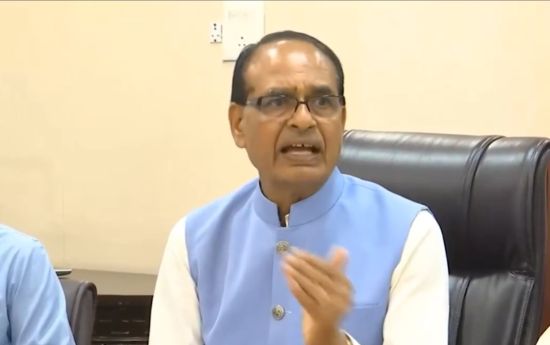
Addressing a press conference after a meeting with the state rural development ministers, Chouhan said the interim allocation had been made as the draft rules of the new scheme were still being finalised and to ensure that rural employment and development activities continue uninterrupted after June 30.
“Without causing any inconvenience to workers, we are moving from the Mahatma Gandhi National Rural Employment Guarantee Act (MGNREGA) to the Viksit Bharat – Guarantee for Rozgar and Ajeevika Mission (Grameen) (VB-G RAM G). There will not be a gap of even a single day in the availability of work,” he said.
According to the Rural Development Ministry, Uttar Pradesh has been allotted the highest interim allocation of Rs 9,721.48 crore, followed by West Bengal at Rs 8,508 crore, Tamil Nadu at Rs 7,585.49 crore, Rajasthan at Rs 7,581.87 crore, Andhra Pradesh at Rs 7,707.21 crore and Bihar at Rs 6,715.83 crore. The total allocation for states stands at Rs 92,550.17 crore, while Union territories have been allocated Rs 1,291.52 crore.
An additional Rs 1,850.62 crore has been earmarked for central administration and social audits, taking the total to Rs 95,692.31 crore.
Chouhan said that after adding the mandatory state contribution, the total annual outlay under the scheme would be around Rs 1.51 lakh crore.
Seeking to allay concerns raised by opposition parties and labour groups, the minister said no state’s allocation had been reduced and that the interim allocation had been worked out on the basis of expenditure under the MGNREGA scheme in the previous year.
He said 26 states have completed the procedural requirements necessary for implementing the new scheme, while four states – Jharkhand, Karnataka, Telangana and Mizoram – are yet to complete all formalities. However, the representatives of these states attended the meeting and assured the Centre that they were preparing for implementation.
The minister said states have been asked to notify the state scheme, declare peak agricultural seasons, frame state rules, complete e-KYC of beneficiaries and undertake awareness and capacity-building exercises at district and block levels.
On West Bengal, which was at loggerheads with the Centre over rural development funds for several years, Chouhan said the newly elected state government has conveyed in writing that it is willing to comply with all conditions laid down by the Centre.
Asked whether the allocation of Rs 8,508 crore for West Bengal included pending dues under the MGNREGA scheme, Chouhan said disputes relating to past dues remained unresolved.
“Till those disputes are settled, that question does not arise. For the remaining period, the West Bengal government has given in writing that it is ready to accept all the rules and conditions of the central government,” he said.
He added that an interim allocation of around Rs 700 crore had been made for West Bengal for the remaining period till June 30 under the existing framework and that the fresh allocation under VB-G RAM G would come into effect from July.
The minister also said provisions similar to those available under the MGNREGA scheme for providing additional employment during drought or other exigencies would continue under the new scheme whenever required.
The BJP-led NDA government had announced the replacement of MGNREGS with the VB-G RAM G as part of its broader rural development agenda. The Centre has maintained that the new programme will retain the employment guarantee component while providing greater flexibility for creation of rural assets and infrastructure.
Opposition parties, including the Congress and Left parties, have criticised the move, alleging that it would dilute legal guarantees available under the MGNREGA and reduce protections for rural workers. The government has rejected the criticism, insisting that workers’ interests would remain fully protected during and after the transition.