Wetlands and lakes are far more than scenic landscapes—they are the lifelines of ecological balance, economic vitality, and human survival. In ecologically sensitive regions like Kashmir, these water bodies hold significance that transcendsG mere aesthetics. They are central to environmental sustainability, socio-economic stability, and public well-being, forming the backbone of a harmonious relationship between humans and nature. Protecting them is not optional—it is essential for life and the health of our ecosystems.
NATURAL REGULATORS AND FLOOD PROTECTORS
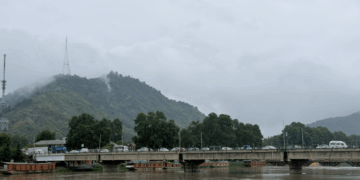
At their core, wetlands are nature’s most efficient regulators. Acting like giant sponges, they absorb excess water during heavy rains or rapid snowmelt and release it gradually. This function is critical in areas like Srinagar, where urban flooding has become a recurring problem. Without wetlands as buffers, low-lying neighborhoods face property damage, disrupted transport, and even loss of life.
Wetlands also recharge groundwater aquifers, ensuring a sustainable water supply during dry seasons—a lifeline for communities dependent on groundwater for drinking, irrigation, and industry. In essence, wetlands serve as both shields against natural disasters and reservoirs for long-term water security.
LAKES: PILLARS OF SOCIO-ECONOMIC LIFE
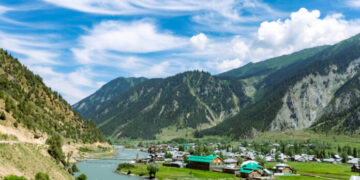
Lakes are not just reservoirs of freshwater; they are engines of regional economies. In Kashmir, Dal, Nigeen, and Wular lakes are central to livelihoods. The houseboat economy provides direct employment to thousands of families. Fisherfolk rely on these lakes for sustenance, while farmers draw water for irrigation. The tourism sector, a major economic driver, hinges directly on the health and aesthetic value of these water bodies.
Beyond economics, lakes have historically been hubs of community life, hosting cultural practices, festivals, and gatherings. They are spaces where ecological awareness naturally takes root among residents and visitors alike.
BIODIVERSITY HOTSPOTS
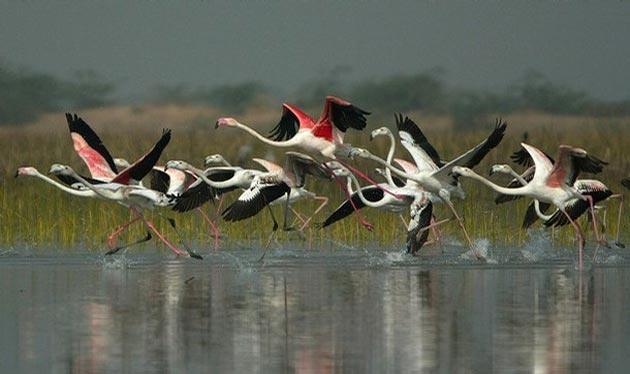
Ecologically, wetlands and lakes are among the richest ecosystems on Earth. They host a remarkable diversity of species—fish, amphibians, birds, and countless plants. Migratory birds, traveling thousands of kilometers, depend on wetlands as stopovers and breeding grounds. Thriving wetlands signal a well-balanced ecosystem; their degradation warns of systemic ecological stress that can cascade across multiple levels.
Threats to Wetlands and Lakes
Despite their importance, wetlands and lakes face severe threats. Rapid urbanization, unplanned construction, and infrastructure development have encroached on lands that once absorbed floods and nurtured biodiversity. Pollution—from untreated sewage, industrial effluents, solid waste, and agricultural runoff—further degrades water quality. Issues such as eutrophication, weed infestation, and declining oxygen levels now threaten aquatic life and fisheries.
In Kashmir, wetlands like Hokersar, Shalbugh, Mirgund, and Hygam historically absorbed excess water, protecting settlements from floods. Over time, encroachments, waste dumping, and poor management have reduced their capacity, leaving neighborhoods vulnerable to waterlogging during heavy rains or snowmelt.
SOCIO-ECONOMIC IMPACTS
The decline of these water bodies has far-reaching consequences. Livelihoods dependent on fishing, tourism, and agriculture suffer. Communities lose both income and food security when fish populations dwindle or lakes become unsuitable for irrigation. Socially, the risk of floods and water scarcity rises, disproportionately affecting low-income populations living in vulnerable areas.
Environmental degradation also disrupts ecological balance. Predatory-prey dynamics shift, native plants disappear, and invasive species spread, leading to cascading consequences. Once ecosystems collapse, restoring them becomes far more complex and costly.
THE NEED FOR STRICT GOVERNANCE
Addressing these challenges requires a comprehensive approach. Strict enforcement of environmental laws is paramount. Illegal constructions along wetlands and lake peripheries must be identified and removed. Scientific restoration—desiltation, removal of invasive species, and revival of natural water channels—is equally crucial.
Urban planning must prioritize ecological significance, ensuring development complements natural drainage patterns rather than obstructs them. Roads, buildings, and utilities should coexist with water systems, maintaining the services that sustain both human and wildlife populations.
Institutional accountability is essential. Agencies managing water bodies must be answerable for lapses through regular monitoring, transparent reporting, and clear ecological benchmarks. Collaboration with local communities, NGOs, and academic institutions can pool expertise for restoration projects.
ROLE OF PUBLIC PARTICIPATION
Government action alone is insufficient. Public awareness and active participation are critical. Individuals can contribute by avoiding littering, preventing waste discharge into water bodies, and supporting conservation initiatives. Community-led monitoring programs, citizen science projects, and clean-up drives foster ownership and accountability.
Education plays a pivotal role. Schools, universities, and civil society organizations must engage communities to highlight the link between wetlands, ecological balance, and human well-being. When people realize that their safety, livelihood, and quality of life depend on these ecosystems, they are more likely to act.
LESSONS FROM SUCCESSFUL RESTORATION
Examples across India and the world show that well-managed wetlands can restore ecological balance and improve resilience. The East Kolkata Wetlands demonstrate how wastewater treatment, fishing, and agriculture can coexist sustainably. In Kashmir, targeted interventions in lakes like Dal and Nigeen have shown that desiltation and pollution control can revive water quality and biodiversity.
These initiatives illustrate the value of combining traditional ecological knowledge with modern scientific methods. Local communities, historically coexisting with these ecosystems, offer insights that can guide restoration and management practices.
A CALL TO ACTION
In Kashmir, the urgency cannot be overstated. The region’s geography, climate, and economy make it dependent on the health of its wetlands and lakes. Their degradation could compromise natural beauty, ecological stability, water security, and livelihoods. Wetlands and lakes are active, dynamic systems sustaining life. Their preservation demands strong governance, scientific intervention, sustainable urban planning, institutional accountability, and citizen engagement. Healthy wetlands mean reduced flood risk, abundant freshwater, thriving biodiversity, and sustained livelihoods. Their protection is a shared responsibility—every action, however small, matters.
Wetlands and lakes are lifelines—not just for nature, but for humanity itself. Protecting them today is the only way to secure a sustainable and resilient future for generations to come. The time to act is now. Kashmir’s natural heritage, ecological stability, and socio-economic resilience depend on it.
The author is a national TV debater and columnist. He can be reached at ahmadayaz08@gmail.com.