Nuzzled along the Jhelum River, Baramulla has long been known as the “Gateway to Kashmir.” At the moment, it is at a pivotal point, shifting from a historically important town to a swiftly growing urban centre. This change brings both promise and pressure. As development speeds up, the key question isn’t if Baramulla will grow but how it can do so sustainably.
Recent trends reflect a broader shift in Jammu and Kashmir’s development landscape. Investments in infrastructure, better road connectivity, targeted welfare schemes, and governance initiatives are reshaping its economic and social fabric. Numerous projects across sectors like roads, utilities, education, and health have been completed recently, signalling a move toward modernisation.
Baramulla’s strategic location remains a major advantage. Major infrastructure projects, such as highway expansions and regional connectivity improvements, are enhancing access to markets, tourism, and jobs. The completion of large projects like the Udhampur–Srinagar–Baramulla rail link is expected to integrate the region further. With a population of nearly 168,000 (Census 2011), Baramulla is already a major urban centre, and its growth pattern suggests it will continue to expand.
Urban growth in Baramulla offers several opportunities to shape its future differently. It is unlocking new pathways beyond traditional farming. Dairy production is on an upward trend. Increased infrastructure investment is helping small businesses, tourism, and service sectors flourish. Improved connectivity reduces isolation, boosting entrepreneurship and private sector growth. A younger population, if provided with education and skills, can be a powerful growth driver. Initiatives in sports, skill development, and community infrastructure are inspiring new aspirations among youth. Besides, its scenic beauty and historical importance make Baramulla a potential tourism hub. Better roads, rail links, and public amenities can help leverage its natural and cultural assets.
However, underlying this progress are structural challenges that could threaten sustainable urbanisation. Much of Baramulla’s current infrastructure wasn’t built for rapid population increases. Congested neighbourhoods, especially in the old town, highlight mismatches in planning. Narrow streets, poor drainage, and limited emergency access pose risks during disasters. Power and transport networks are also strained.
Although new power stations and road projects are underway, demand is rising quickly, often outpacing supply. Growth has mainly followed “ribbon development” along highways, leading to inefficient land use and higher infrastructure costs. This type of expansion overloads public services and creates fragmented urban spaces lacking cohesive planning. Road expansion, though necessary, has revealed planning gaps. Poorly managed construction results in traffic jams, pollution, and frustration, emphasising the need for better urban mobility strategies.
Rapid growth often worsens inequality. Here, access to healthcare, education, and basic services remains uneven. Unemployment and limited private sector jobs challenge social stability, especially among youth. The city’s urban future depends on how well these issues are addressed. Sustainable urbanisation isn’t just about more infrastructure but smarter planning. A much-needed priority is implementing comprehensive master plans.
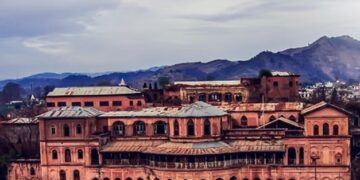
These plans should focus on mixed-use development, zoning discipline, and creating decentralised commercial hubs to ease congestion in the town centre. Infrastructure planning must anticipate future demands rather than just react to current needs. Investment in water, waste management, public transport, and energy should align with population growth projections. The old town, with its heritage, isn’t just a challenge; it’s an asset. Revitalisation efforts must balance modernisation with preservation to protect the town’s cultural identity. Inclusive urban planning should involve local communities, fostering better implementation and ensuring development addresses actual needs rather than assumptions. Given its vulnerability to natural disasters, Baramulla must incorporate resilience into its urban strategies with improved building codes, emergency infrastructure, and environmental safeguards.
Baramulla’s story symbolises many rising urban centres in South Asia: full of potential but limited by planning gaps. The town has shown its ability to transform from a peripheral settlement to a growing urban hub. But growth alone isn’t enough; the real challenge is whether Baramulla can shift from mere expansion to sustainable urbanisation, from reactive development to proactive planning. Success could make it a model for balanced growth in fragile regions. Failure might result in congestion, inequality, and environmental harm overshadowing progress. Ultimately, the future depends on planning, not just for what Baramulla is becoming but for what it aims to be.
akramiiim@gmail.com