New Delhi: The government on Thursday said there is no shortage of petrol, diesel, kerosene or aviation turbine fuel in the country despite the ongoing West Asia crisis, and urged the Opposition not to spread rumours and fake narratives.
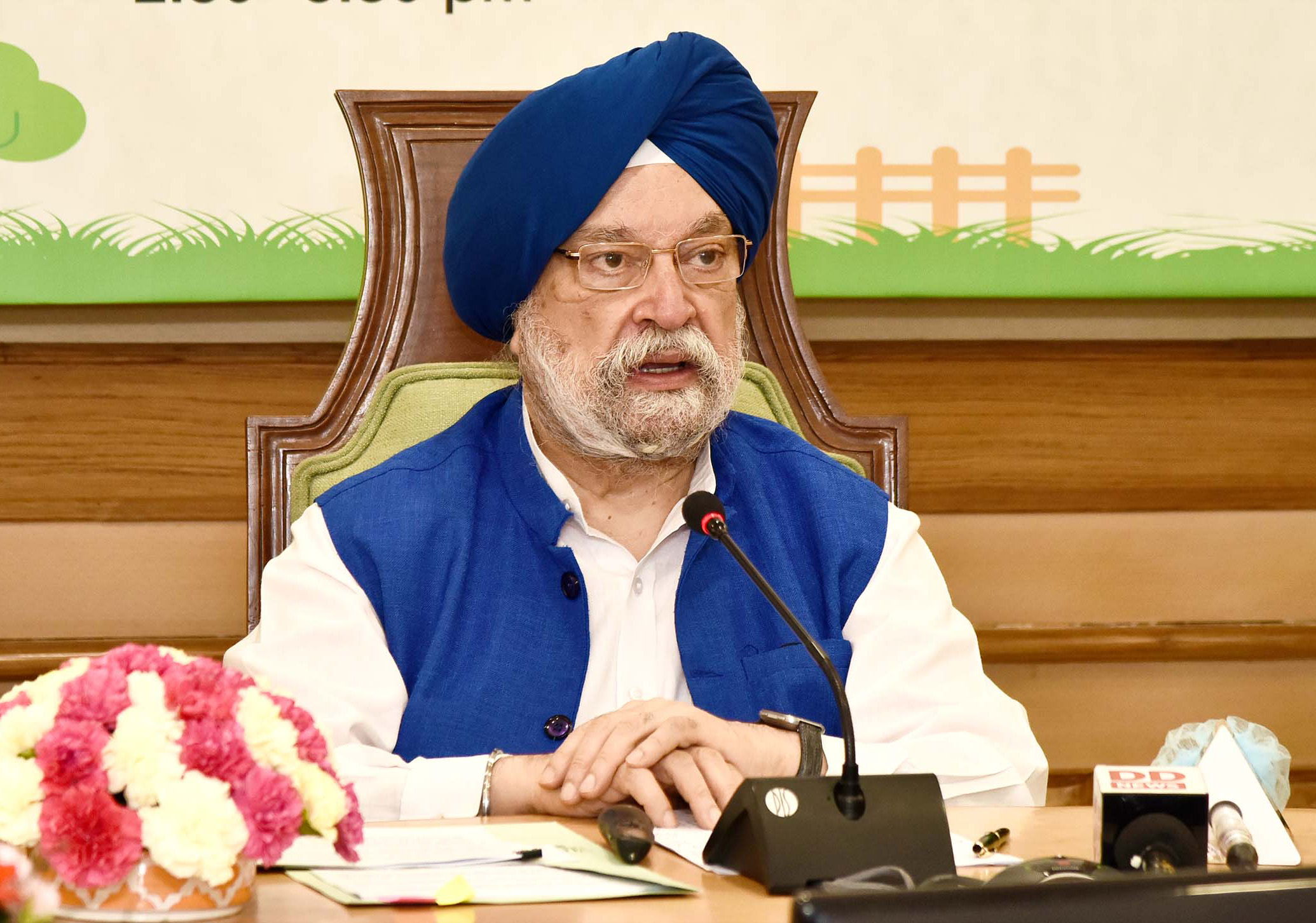
Responding to concerns raised by Leader of the Opposition Rahul Gandhi in the Lok Sabha, Petroleum Minister Hardeep Puri said it is the foremost priority of the government that the kitchens of over 33 crore families, especially the poor and the underprivileged, do not face any shortage of gas.
Domestic supply is fully protected, and the delivery cycle is unchanged, he said.
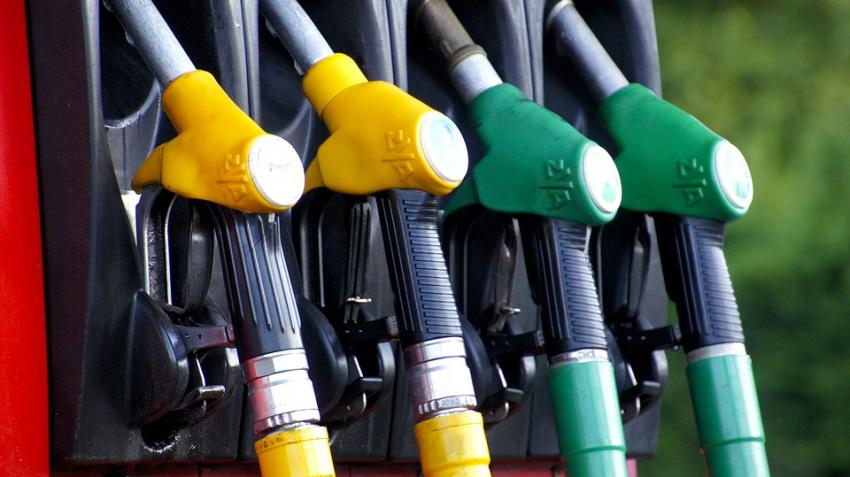
“There is no shortage of petrol, diesel, kerosene, aviation turbine fuel or fuel oil. The availability of petrol, diesel, aviation turbine fuel, kerosene, and fuel oil is fully assured,” Puri said.
He noted that retail outlets across the country are stocked, supply chains for these products are functioning normally, and additional allocation of PDS (public distribution system) kerosene has been issued to all the states.
“This is not the moment for rumour-mongering or fake narratives. India is navigating the most severe global energy disruption in recorded history,” he said, adding that crude supply is flowing and gas is prioritised for homes and farms.
Gas is prioritised for homes and farms, and LPG (liquified petroleum gas) production has been stepped up by 28 per cent, the minister noted.
“Consumer prices are held far below what markets and regional comparators would dictate. Schools are open. Petrol is on the forecourt. Every citizen, regardless of political affiliation, has a stake in that,” he said.
“India must stand united behind its energy warriors, behind the institutions managing this crisis, and behind the national interest.”
Amid sloganeering by Opposition members, the minister said that due to Prime Minister Narendra Modi’s effective diplomatic outreach, India has secured crude volumes that exceed what the disrupted Strait of Hormuz route would have delivered in the same period.
Before this crisis, about 45 per cent of India’s crude imports transited the Hormuz route.
“Non-Hormuz sourcing has risen to approximately 70 per cent of crude imports, up from 55 per cent before the conflict began,” he said.
Puri informed that India sources crude from 40 countries, against 27 in 2006-07.
Refineries are operating at high capacity utilisation, and in several cases, they are exceeding 100 per cent.
“The world has not faced a moment like this in modern energy history,” he said.
Following the joint attack launched by the US and Israel on Iran on February 28, the Islamic nation has stopped the movement of oil and gas ships from the Strait of Hormuz, through which 20 per cent of the world’s crude, natural gas and LPG flows.
The supply was disrupted following the military operation between Iran, Israel and the US, the minister said, adding that despite India having no role in causing the conflict, like many countries, India has to navigate through its consequences.
He said an Indian neighbour has shut all schools for two weeks, moved government offices to a four-day work week, ordered 50 per cent of public employees to work from home, cut fuel allowances for official vehicles by half, and taken 60 per cent of government vehicles off the road.
Another neighbour, he said, has closed universities early and brought forward the Eid al-Fitr holiday to save fuel.
Countries in Southeast Asia have also had to take energy rationing and conservation measures.
Meanwhile, non-Hormuz sourcing has also risen to about 70 per cent of crude imports, up from 55 per cent before the conflict began.
India was previously importing about 60 per cent of its LPG requirements from Gulf countries, such as Qatar, UAE, Saudi Arabia, and Kuwait and 40 per cent is produced domestically.
He informed that the procurement has now been actively diversified, with cargoes being secured from the US, Norway, Canada, Algeria, and Russia, in addition to available Gulf sources.
The LPG Control Order issued on March 8 directed all refineries to maximise LPG yields.
“Hence, in the last five days, LPG production has been increased by 28 per cent through refinery directives, and further procurement is actively underway,” he said.
Puri said the standard time from booking to delivery for domestic LPG cylinders remains 2.5 days, unchanged from pre-crisis norms.
Hospitals and educational institutions have been placed on uninterrupted priority supply. Their access to LPG is fully assured regardless of broader demand conditions, the minister said, adding that field reports indicate hoarding and panic-booking at the distributor and retail level, driven by consumer anxiety rather than any actual supply shortage, the minister said.
“The House should be clear on this: the rush-booking pressure in some localities reflects a demand distortion, not a production or supply failure,” he said.
Delivery Authentication Code coverage is being expanded from 50 per cent to 90 per cent of consumers. Under this system, a cylinder can only be logged as delivered when the consumer confirms receipt through a one-time code on their registered mobile, making undocumented diversion effectively impossible to conceal, he added.
A 25-day minimum booking gap has been introduced as a demand management measure in urban areas and 45 days in rural and Durgam Kshetra (remote areas).
Further, he said commercial LPG has been regulated to prevent black marketing, not to penalise the hospitality sector.
Commercial LPG is sold in a completely deregulated, over-the-counter market at market price, without any government subsidy.
There is no registration system, no booking requirement, no digital authentication, and no delivery confirmation mechanism.
Any business or individual can purchase cylinders in any quantity at the point of sale, with no government control in normal times, he said.
“In a supply-constrained environment where public anxiety is elevated, this deregulated structure creates a direct and uncontrolled pathway for hoarding, diversion, and resale at inflated prices,” he said, adding that had commercial supply been left entirely unrestricted, cylinders purchased over the counter could have been diverted to the grey market at the expense of genuine commercial consumers and domestic households alike.
The government, he said, has taken the responsible course to regulate this channel with clear priorities and a transparent allocation mechanism.
He also said that alternative fuel options are being activated to ease pressure on LPG and gas channels. Kerosene is being made available through retail outlets and PDS channels, and fuel oil is being made available for industrial and commercial consumers.
Consumer prices, he said, have been shielded from global market conditions. Despite the Saudi contract price rising 41 per cent between July 2023 and March 2026, the PMUY beneficiary price has fallen 32 per cent in the same period and stands at Rs 613 per 14.2 kg cylinder in Delhi.
The non-subsidised consumer price stands at Rs 913, following the recent Rs 60 adjustment, against a market-determined price of about Rs 987, Puri noted.
Of the Rs 134 per cylinder adjustment required by prevailing global market conditions, the government absorbed Rs 74.
“The effective additional cost for a PMUY household is under 80 paise per day. Equivalent LPG prices in the neighbourhood stand at Rs 1,046 in Pakistan, Rs 1,242 in Sri Lanka, and Rs 1,208 in Nepal. OMC compensation of Rs 30,000 crore has been approved against losses of approximately Rs 40,000 crore in 2024-25,” he added.
He said consumer prices are held far below what markets and regional comparators would dictate.