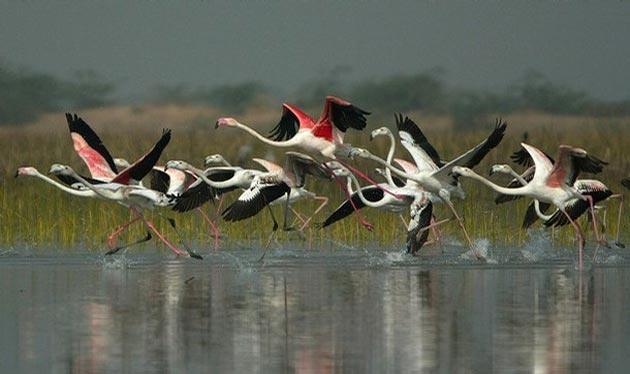
Wetlands are among the most productive yet most threatened ecosystems on Earth. Acting as natural sponges, water purifiers, carbon sinks, and biodiversity hotspots, they quietly sustain life. However, a growing body of research now reveals an alarming reality: everyday human activities are silently altering wetland soils and water quality across Kashmir, putting these fragile ecosystems at serious risk.
Changing Wetland Soils in Kashmir
Recent studies indicate that pollution, untreated sewage, agricultural runoff, solid waste dumping, and unregulated human interference are fundamentally changing the physical and chemical properties of wetland soils in the Kashmir Valley. Heavy metals, excess nutrients, and altered sediment composition are degrading soil health, disrupting plant communities, and weakening wetlands’ natural ability to regulate floods and purify water.
These changes may appear gradual, but their long-term impacts are severe loss of biodiversity, reduced water storage capacity, increased flood vulnerability, and declining livelihoods for communities dependent on wetlands.
India’s Commitment to Wetland Conservation
India has made significant strides in wetland protection. As of now, the country proudly counts 96 Ramsar Sites, reflecting sustained national commitment toward biodiversity conservation, climate resilience, and sustainable water management. These internationally recognized wetlands play a crucial role in mitigating climate change, conserving wildlife, and supporting millions of people.
Ramsar Wetlands of Jammu & Kashmir
Jammu & Kashmir is home to five Ramsar Sites, each ecologically unique and critically important:
- Wular Lake: The largest freshwater wetland in the Jhelum Basin, is a lifeline for Kashmir. It plays a vital role in flood regulation, absorbs excess water during peak flows, and supports rich biodiversity including fish, birds, and aquatic vegetation. Sadly, encroachment, pollution, and siltation have drastically reduced its area over the decades.
- Shallabugh Wetland: Conservation Reserve, Located in Ganderbal district, Shallabugh is a freshwater wetland in the Jhelum basin and a crucial habitat for resident and migratory birds. It serves as a winter refuge for thousands of waterfowl. Human pressure, land-use change, and pollution threaten its ecological balance.
- Surinsar–Mansar Lakes: These twin freshwater wetlands are located in the Jammu region and are ecologically significant for migratory waterbirds and threatened species. Apart from biodiversity value, they also hold cultural and religious importance. Urbanization and tourism pressure pose growing challenges here.
- Hygam Wetland: Conservation Reserve (Hygam Rakh).. Hygam Rakh is a freshwater marsh and the largest remaining reed bed in the Kashmir Valley. As a Ramsar Site, it supports diverse bird species and plays a major role in groundwater recharge and water purification. Shrinking reed beds and human interference are major concerns.
- Hokera (Hokersar) Wetland: Located near Srinagar, Hokera Wetland is a vital Ramsar Site that traps sediments and nutrients flowing from surrounding catchments, thereby protecting downstream water bodies. It is a crucial stopover for migratory birds along the Central Asian Flyway. Pollution, encroachment, and reduced water inflow are steadily eroding its ecological health.
Why Wetland Conservation Matters Now More Than Ever
In the face of climate change, wetlands are natural allies. They:
- Reduce flood intensity
- Recharge groundwater
- Filter pollutants
- Support fisheries and agriculture
- Provide habitat for migratory and resident species
Ignoring their degradation means inviting more floods, water scarcity, biodiversity loss, and ecological instability.
The Way Forward
Protecting wetlands in Kashmir and across India requires:
- Strict control of pollution and untreated sewage
- Community participation and awareness
- Scientific monitoring of soil and water health
- Strong enforcement against encroachment
- Integration of wetlands into climate and disaster planning
Conclusion
On this World Wetlands Day (2nd February), the message is clear: wetlands are not wastelands. They are living systems that sustain Kashmir’s ecology, economy, and culture. Strengthening wetland conservation is not just an environmental necessity; it is a responsibility toward future generations…
- Protect wetlands today to secure water, climate, and life tomorrow.
- Protecting Kashmir’s wetlands is not just an environmental responsibility; it is a social and moral imperative for present and future generations.
(The writer is a student of Forestry and the National Organising Secretary of the J&K Students Association. He can be reached at manzoornabi57@gmail.com)