

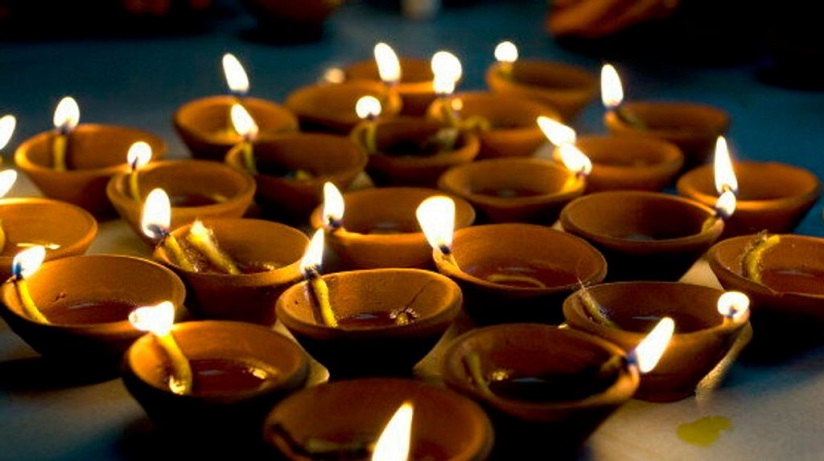
Diwali, the Festival of Lights, is a celebration that resonates deep within the cultural and spiritual fabric of India and the global diaspora. It is an occasion of profound significance, symbolising the timeless victory of light over darkness, good over evil, and knowledge over ignorance. Yet, as our society evolves, so too do the complexities wrapped within the glowing embrace of this ancient festival. A true appreciation of Diwali requires us to look beyond the surface of sparkling lights and sweetmeats, to reflect on its evolving socio-economic and environmental dimensions.
At its core, Diwali remains a powerful force for community and connection. It is the annual reset button, a time for deep cleaning, home decoration, and a joyous reconnecting with family and friends. The tradition of exchanging gifts and sweets is not merely a transaction; it is a ritual of goodwill, strengthening the bonds that hold our social fabric together. In an increasingly digital and isolated world, the physical gathering and shared ritual of lighting the diya—the small clay lamp—reaffirm the value of human connection and collective joy.
However, the festival’s spiritual core now coexists, and at times contends, with a tremendous economic footprint. Diwali is a major pulse point for the Indian economy. It triggers a massive surge in consumer spending across sectors—from gold and automobiles to electronics and fast-moving consumer goods. This festive impulse injects vitality into retail, manufacturing, and especially into the informal economy, providing a crucial boost to countless artisans, potters, sweet-makers, and small businesses. For many, the festive season dictates a significant portion of their annual turnover.
This economic boom, however, introduces its first complexity: unbridled consumerism. The traditional, symbolic purchase of a new utensil or a small amount of gold to signify prosperity has, for many, spiralled into an expenditure spree that can stretch household finances. An editorial reflection prompts the question: Are we celebrating the goddess of prosperity (Lakshmi) by investing wisely for the future, or are we simply indulging in an immediate, often fleeting, burst of consumption driven by aggressive marketing? Striking a balance between celebratory spending and financial prudence is a modern Diwali challenge.
Perhaps the most urgent complexity is the environmental cost of modern celebrations. The joyous bursts of firecrackers, while a customary expression of exuberance, unleash significant noise and air pollution, turning the ‘Festival of Lights’ into the ‘Festival of Smog’ in many urban centres. This is a critical ethical challenge: Can the spiritual victory of good over evil be truly celebrated at the expense of public health and the environment? The growing call for an ‘Eco-friendly Diwali’—favouring local earthen lamps over imported plastic lights, and replacing fireworks with community-based activities—is not an attempt to diminish the festival, but to return it to its original, sustainable, and purely luminous form.
Finally, Diwali holds a quiet yet powerful message of inclusivity. The core theme of light over darkness transcends all religious and regional boundaries. It is celebrated by Jains, Sikhs (as Bandi Chhor Divas), and many communities around the world. In its best form, it serves as a powerful reminder of India’s pluralistic culture, where neighbours from all backgrounds share the glow and goodwill. In a time when societal divisions occasionally loom large, the shared ritual of lighting up the night, together, is a silent but potent affirmation of unity.
As the lamps are lit this year, let the glow illuminate not just our homes, but also our conscience. Let us celebrate the complex, layered Diwali—acknowledging the indispensable spirit of community and the necessary economic boost, while consciously mitigating the pitfalls of consumerism and environmental harm. The true victory of light, after all, is the enlightenment to see beyond the celebration itself, and to ensure that the joy we create today does not cast a shadow on the future.
muneer.udl@gmail.com


