July 1, 2017 witnessed India’s boldest economic reform in decades. On that monsoon morning, the Goods and Services Tax (GST) replaced 17 different taxes and 13 cesses with a single unified framework, fundamentally reshaping the nation’s fiscal architecture. This wasn’t merely a tax reform, it was the beginning of India’s audacious journey towards One Nation, One Tax, One Market.
Eight years later, the transformation has been nothing short of extraordinary. Tax collections have tripled from ₹7.19 lakh crore in 2017-2018 to a record three-fold increase of ₹22.08 lakh crore in 2024-2025. The taxpayer base has doubled from 65 lakh to 1.5 crore, drawing lakhs of small enterprises into the formal economy. Building on this foundation, India has now entered the Next Gen GST Era from 22 September 2025, streamlining the system into two slabs of 5% and 18%, with 40% reserved for luxury and demerit goods.
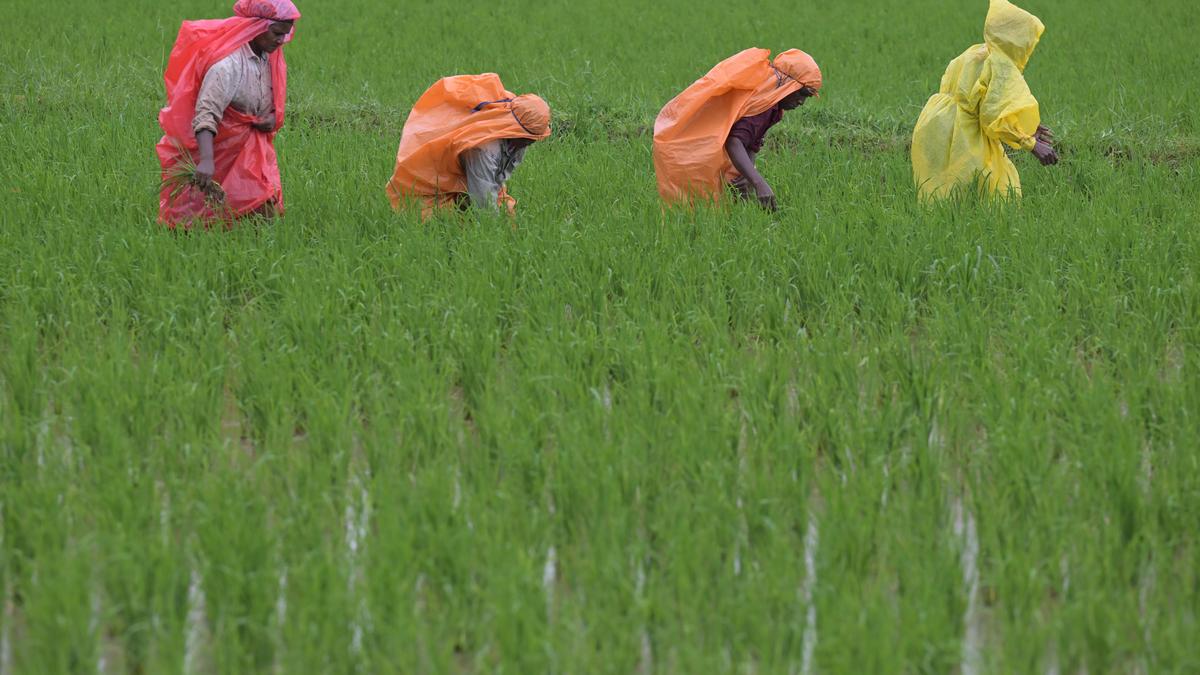
Households will save more with daily essentials, medicines and education supplies taxed at 0-5%, while farmers gain from reduced GST on tractors, tyres, pesticides and irrigation equipment that cut input costs and boost rural income. The auto sector also sees a major relief as GST on scooters and cars drops from 28% to 18%. Readymade garments now priced upto ₹2,500 (up from ₹1,000) attract 5% GST. I had a conversation with a college student and when asked about clothes, he said, “Festive shopping felt lighter on the pocket. With the same budget, I bought two trendy shirts instead of one. I don’t know much about GST slabs but I know clothes are more affordable now.” By contrast, luxury and demerit goods such as pan masala, tobacco, online gaming, luxury SUVs and casinos now fall under the 40% slab. This reform has promoted responsible consumption, the truest form of savings, while reinforcing our commitment to ‘Fit India, Healthy India’.
And just as these reforms bring relief to families, farmers and industries, they also weave new strength into our textile sector. GST 2.0 paves the way for a complete transformation of the Textiles industry, which stands as the second largest employer after agriculture and a living example of Atmanirbhar Bharat.
GST 2.0 Powers the $350 Billion Textile Dream
The textile industry in India is massive, shaping livelihoods and exports alike. Today, the industry size is $179 billion and gives jobs to over 4.6 crore people, most of them women. The government now aims to almost double this size to $350 billion by 2030, creating even more employment and income opportunities for families across the country.
India’s organised domestic textile market is worth around $142-145 billion and when we include the largely unorganized sector, it’s closer to $155-160 billion. With the introduction of Next-Gen GST reforms like tax rationalization and a fibre-neutral regime, manufacturers can now pass on savings directly to buyers. For consumers, especially middle-class families who are expected to make up 60% of India’s targetable consumer base by 2047, these reforms will bring the greatest benefits. Together with lower-income groups, they are estimated to save $8–10 billion every year making essential clothing more affordable while supporting local industry. These reforms go beyond lowering prices, they represent a true fashion democratization.
One of the biggest changes GST 2.0 brings for textiles is fixing the long-standing inverted duty structure that crippled the man-made fiber sector. Earlier, man-made fibers were taxed at 18%, yarn at 12% and fabrics at just 5%. This structure made raw materials costlier than finished products, blocking working capital and stopping new investments. GST 2.0 now has a uniform 5% tax across the man-made sector, creating a truly fiber-neutral ecosystem. For lakhs of MSMEs, which form nearly 80% of India’s textile industry, this is a huge relief. It strengthens India’s ambition to become a global hub for the man-made fiber sector and also enables the 22,000 million garment pieces produced annually to be manufactured with lower input costs, enhanced competitiveness and greater market demand. This reform will not only make clothes cheaper and boost exports but also strengthens the dream of Make in India and Atmanirbhar Bharat, a vision of growth that carries forward both our Virasat and Vikas.
Take for example. Earlier in a women’s stitching unit in Surat, the cost of man-made fibre and yarn was so high that their profit margins shrank and orders often shifted abroad. Now, with GST 2.0 reducing taxes to a uniform 5%, their input costs are lower, they can take more orders, pay fair wages and even expand their business. This is how a national reform directly touches the lives of ordinary workers and families.
The benefits don’t stop there. With GST on commercial goods vehicles cut from 28% to 18% and logistics services from 12% to 5%, transport costs across the textile supply chain will come down. This directly supports the PM Gati Shakti and National Logistics Policy, while making Indian textile exports stronger in global markets. Together, GST 2.0 reforms empower every stage of the textile value chain, from fiber to finished garment to foreign markets, creating growth and jobs across the country.
The Aam Janta Effect – How Next Gen GST Reform Touches Every Life
The economic impact of GST 2.0 is felt in the everyday lives of ordinary families. Industry estimates project a direct consumption boost of nearly ₹1.98 lakh crore, with households saving around ₹48,000 crore annually due to reduced rates.
To put this into perspective, in 2014 under the UPA, a family spending ₹1 lakh a year on daily needs paid almost ₹25,000 in taxes. Today, after GST and GST 2.0, that same household pays only about ₹5,000 to ₹6,000. That is nearly ₹20,000 saved every year and money that goes back into children’s education, better nutrition and family well-being. Combined with income tax relief, Indian families are projected to collectively save nearly ₹2.5 lakh crore annually. The impact is even more significant in smaller towns and villages, where nearly 63% of India’s population resides.
During my recent visit to the markets in Begusarai, I saw the positive impact of the GST reforms. Retailers shared their happiness with the reduced rates, and I could feel the excitement among customers, who are increasingly coming out to shop this festive season. The rising footfall in the markets clearly shows how these reforms are creating a vibrant and positive economic environment which is a real benefit reaching both households and businesses alike.
Monthly GST collections which crossed ₹1.85 lakh crore in FY 2024-25 are now projected to consistently exceed ₹2 lakh crore. These reforms are not only easing the financial burden on citizens but will also fuel growth, with revenues continuing to rise even at lower rates. This is a rare moment where reforms are both people-centric and fiscally sound, strengthening households while securing India’s economic future.
The Social Fabric – Beyond Economics to Empowerment
GST 2.0’s textile reforms are more than just economic changes, they are about inclusive growth, directly impacting 65 lakh weavers and artisans across India. This not only helps preserve India’s rich cultural heritage but also supports the livelihoods of lakhs of women working in this sector.
By reducing GST on handloom, handicrafts and carpets from 12% to 5%, traditional products are now more competitive in both Indian and global markets. At the same time, lowering GST on sewing machines from 12% to 5% gives a direct push to India’s women-led textile sector.
As rural incomes and spending have more than doubled in the last decade, rising from ₹1,430 per month in 2011-12 to ₹4,122 in 2023-24. With GST 2.0, this rising purchasing power will directly fuel demand for Indian-made clothing, generating more work for weavers, tailors and garment workers and will generate a cycle of growth that benefits every section of society.
At a recent event, I met several SHG Didis who expressed their delight, noting that the Government has truly empowered them, first by turning them into Lakhpati Didis, and now through GST reforms making essential goods more affordable, along with income tax reforms lowering their tax burden. This Diwali, they said, promises to be a festival of real joy, with more gifts and celebrations for their families. These reforms are creating a ripple effect across the economy, boosting incomes and reducing the tax burden.
At a moment when India is striving for Atmanirbharta, the handloom and handicraft sector along with our SHG Didis stands as the soul of the Vocal for Local and Swadeshi movement. Our artisans and weavers are not just preserving traditions, they are the real backbone of India’s march towards Atmanirbhar Bharat.
GST 2.0 & the road to Viksit Bharat 2047
As India enters the Amritkaal and looks toward 2047, GST 2.0 stands not merely as tax reform but as a growth strategy for Viksit Bharat. By simplifying slabs, easing household expenses, empowering farmers, supporting MSMEs, and revitalising labour-intensive industries like textiles, it strengthens both Ease of Living and Ease of Doing Business. The fiber-neutral GST is particularly transformative, unlocking new growth in man-made and natural textiles alike, positioning India to expand its global market share, create millions of new jobs, and emerge as a true global leader in apparel and home furnishings.
As GST 2.0 has come into force this Navratri, it brings savings to households, relief to farmers, growth to businesses, and jobs to workers, a true early Diwali gift to every Indian. On behalf of the entire textile value chain, I extend heartfelt gratitude to Hon’ble Prime Minister Shri Narendra Modi Ji for his visionary leadership in steering India’s indirect tax system toward simplicity, fairness, and growth. GST 2.0 is a milestone in our reform journey, and it lays the roadmap for India’s march towards becoming a developed nation by 2047.
Courtesy PIB Srinagar
The writer is Union Minister of Textiles