

• About us
  • Contact us
  • Our team
  • Terms of Service
Monday, June 8, 2026
Kashmir Images - Latest News Update
Epaper
  • TOP NEWS
  • CITY & TOWNS
  • LOCAL
  • BUSINESS
  • NATION
  • WORLD
  • SPORTS
  • OPINION
    • EDITORIAL
    • ON HERITAGE
    • CREATIVE BEATS
    • INTERALIA
    • WIDE ANGLE
    • OTHER VIEW
    • ART SPACE
  • Photo Gallery
  • CARTOON
  • EPAPER
No Result
View All Result
Kashmir Images - Latest News Update
No Result
View All Result
Home OTHER VIEW

Rotten souls that sold rotten meat!

Zahoor Ahmad Lone by Zahoor Ahmad Lone
August 29, 2025
in OTHER VIEW
A A
0
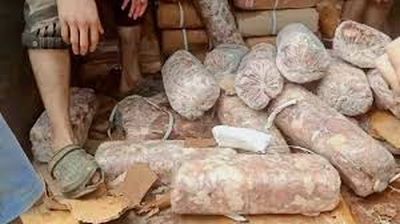
Rotten meat, rotten rice, Kashmir is getting poisoned

File Photo

FacebookTwitterWhatsapp


Recently, the Food Safety Department in Kashmir uncovered a shocking and deeply disturbing crime against public health. We know now that during inspections, officials seized several tons of adulterated and rotten meat stored and distributed in alarming quantities. This decayed meat was supplied to various hotels and restaurants, where it was used to prepare popular traditional dishes such as ristas, gushtabas, and kababs. These were then served to unsuspecting members of the public, who trusted these establishments for safe and quality food.

More News

From Readers to Scrollers: The Silent Decline of Intellectual Culture

Moving beyond symbolic celebrations

BUILDING CHARACTER BEGINS AT HOME 

Load More

This act is not only a grave public health threat but also a moral crime of the highest order. Consuming such spoiled meat can lead to severe food poisoning, long-term health complications, and even death in vulnerable individuals. From an ethical and religious perspective, such behavior is utterly unacceptable. Islam teaches cleanliness, honesty, and care for the well-being of others. To deliberately sell and serve rotten food is both un-Islamic and inhuman. It reflects a dangerous decline in moral conscience, where profit is placed above the sanctity of human life.

The incident has rightly triggered outrage across society, with people demanding strict punishment for those involved. Such crimes must be dealt with under stringent food safety laws, with penalties severe enough to act as a deterrent. Public trust in the food industry is fragile, and when it is broken, it takes years to restore.

In the future, the role of the Food Safety Department becomes even more crucial. Their responsibilities must go beyond occasional inspections. There should be:

  1. Regular and Unannounced Checks – Routine surprise inspections of slaughterhouses, storage facilities, and restaurants to ensure compliance.
  2. Stringent Licensing – Only licensed and regularly audited suppliers should be allowed to operate.
  3. Strict Penalties – Hefty fines, closure of businesses, and criminal charges for those found guilty of endangering public health.
  4. Public Awareness Campaigns – Educating people on how to recognize and report suspicious food quality.
  5. Traceability Systems – Digital tracking of meat from slaughterhouse to plate, ensuring accountability at every step.
  6. Community Involvement – Encouraging citizens to report any suspected violations through a dedicated helpline.

This incident should serve as a wake-up call. Protecting public health is a shared responsibility, but the Food Safety Department stands as the first line of defense. A strong, vigilant, and proactive approach is the only way to ensure that such shameful acts never stain our society again.

Author is a teacher in education department and can be mailed at zahoorlone1979@gmail.com

Previous Post

Satish Sharma visits flood-affected areas of Chamb constituency

Next Post

The Narrative of Kashmir: A Land of Saints, Struggles, and Contradictions

Zahoor Ahmad Lone

Zahoor Ahmad Lone

Related Posts

From Readers to Scrollers: The Silent Decline of Intellectual Culture

Regional-bilateral significance of Nepal PM Dahal’s India visit
June 8, 2026

I often find myself revisiting the cherished memories of my childhood when Eid was not merely a celebration of festivities,...

Read moreDetails

Moving beyond symbolic celebrations

Regional-bilateral significance of Nepal PM Dahal’s India visit
June 8, 2026

Keeping the planet green and ensuring protection and conservation of our precious natural resources is the collective responsibility of all...

Read moreDetails

BUILDING CHARACTER BEGINS AT HOME 

Regional-bilateral significance of Nepal PM Dahal’s India visit
June 7, 2026

It is often said that family is a child's first school, and this is absolutely true. Before children learn from teachers,...

Read moreDetails

Life Is Not Just What Happens, but How Our Brain Frames It

Regional-bilateral significance of Nepal PM Dahal’s India visit
June 7, 2026

Life appears to us as a smooth and continuous journey. We wake up, walk, speak, think, remember, react, and move...

Read moreDetails

Sustainable Agriculture, Modern Farming Techniques in North Kashmir

Regional-bilateral significance of Nepal PM Dahal’s India visit
June 6, 2026

Kashmir, with its vast expanses of fertile land and favourable climatic conditions, is also renowned for its farming practices, is...

Read moreDetails

Great Nicobar: India’s Maritime Strategic Fulcrum

Regional-bilateral significance of Nepal PM Dahal’s India visit
June 5, 2026

A state that does not secure its frontiers, alliances and trade routes cannot secure its future. — Kautilya Kautilya’s lesson,...

Read moreDetails
Next Post
Regional-bilateral significance of Nepal PM Dahal’s India visit

The Narrative of Kashmir: A Land of Saints, Struggles, and Contradictions

  • About us
  • Contact us
  • Our team
  • Terms of Service
E-Mailus: kashmirimages123@gmail.com

© 2025 Kashmir Images - Designed by GITS.

No Result
View All Result
  • TOP NEWS
  • CITY & TOWNS
  • LOCAL
  • BUSINESS
  • NATION
  • WORLD
  • SPORTS
  • OPINION
    • EDITORIAL
    • ON HERITAGE
    • CREATIVE BEATS
    • INTERALIA
    • WIDE ANGLE
    • OTHER VIEW
    • ART SPACE
  • Photo Gallery
  • CARTOON
  • EPAPER

© 2025 Kashmir Images - Designed by GITS.