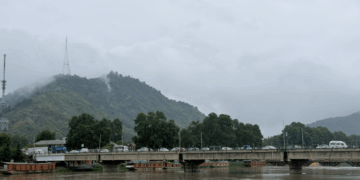

Kashmir reeks – literally. The stench isn’t just from 3,000–3,500 kg of rotten meat seized in a single week; it’s from a Food Safety bureaucracy that has turned vigilance into theatre and regulation into ransom. Authorities themselves admit they’re now recovering putrid meat thrown on roadsides, nallahs, even rivers – because the racket feels cornered and is dumping evidence in our public spaces.
Meanwhile, the same department proudly announces “action”: Forty four street vendors fined a grand total of Rs 56,000 – a mockery of deterrence that wouldn’t scare a tea stall, let alone a supply chain peddling poison.
The rot behind the rot
- Scale of failure: FDA teams destroyed more than 3,500 kg of adulterated/rotten meat in the Valley – proof not of success, but of a system that let it reach markets in the first place.
- Public health crime: Clergy and civil society call it “betrayal of public trust” – they’re right. This isn’t a routine violation; it’s an assault on health, faith, and dignity.
- Evidence disposal in the open: Officials concede spoiled consignments are being dumped in public water channels and roads – an ecological and epidemiological hazard multiplied.
Unlicensed chaos: who let the streets drown?
Srinagar has 6,000+ street vendors – and years after “smart vending zones” were promised, the plan drags while footpaths and food hygiene collapse together. Even with “zones,” key areas remain clogged because enforcement is a wink-and-nod game.
Courts had to step in: the J&K High Court ordered removal of encroachments and required NOCs for issuing hawker/vendor permissions – a judicial SOS because the executive wouldn’t do its job.
The Food & Drugs Administration: eyes wide shut
Let’s be blunt: street food safety is not rocket science. India’s own framework demands registration/licensing of vendors and basic hygiene compliance under FSSAI. Training modules and audits exist. What’s missing is will – and independence from local cartels.
If inspectors were truly “on vigil throughout the day,” we wouldn’t be measuring rot in metric tons and penalties in peanuts. Either the FDA is outgunned, outnumbered, or on the take. Pick your poison.
Who owns this mess – LG’s Raj Bhavan or Omar’s Durbar?
Stop the buck-passing. Today, the LG administration runs J&K. The responsibility – and the tools – are theirs: ordinance powers, task forces, prosecution, municipal coordination, budget lines, and the political cover to bulldoze mafias. If Omar Abdullah wants back in with promises of “statehood and course correction,” good – then say, in writing, what enforcement architecture you’ll build and fund on Day 1. Until then, this is on the present government.
What real action looks like (no more press notes)
- License or lock-up: 60-day ultimatum: register every vendor or shut shop. Public vendor registry – stall ID, location, license status – updated daily.
- Inspector accountability: GPS-tagged, time-stamped inspection logs; weekly open dashboards of checks, samples lifted, prosecutions filed; officers graded and rotated quarterly to break collusion.
- Zero-tolerance penalties: First offense: Rs 50,000 minimum + seizure. Second: Rs 2 lakh + 7-day closure. Third: FIR under IPC/food safety law, cancellation, and blacklisting of suppliers. (Your Rs 56,000 for 44 violators is a joke.)
- Cold-chain verification: Mandatory source-to-stall cold-chain documentation for meat; random temperature audits; on-the-spot rapid tests; results posted publicly every Friday.
- Supply-chain raids: Hit wholesale godowns, transporters, and cold stores, not just the last-mile cart. Seize vehicles; publish names of defaulters.
- Water & waste safeguards: Immediate SOP with SMC: sealed disposal of seized meat; penalize dumping in nallahs/roads; deploy vector control where seizures occur.
- Independent oversight: A Food Safety Citizens’ Board (clinicians, veterinarians, consumer groups, clergy) to audit FDA actions monthly and flag political interference.
- Public hygiene reboot: Clear encroachments per HC order, operationalize vending zones with running water, waste collection, and food-grade surfaces – or stop pretending we care about hygiene.
The closing truth
Rotten meat didn’t just appear; it was allowed – by inspectors who didn’t inspect, officers who didn’t enforce, and politicians who didn’t prioritize lives over photo-ops. If we can’t keep flies off our food and filth off our streets, what exactly is governance doing – other than writing press releases? And engaging public in absolute nonsense.
You want trust back? Clean house. License everyone. Jail the crooks. Publish the numbers. Every week. And suspend the erring staff, who relish a Momos while they must actually be on work.