By: Dry pastels
 Dry pastels are a unique art medium that have been used by artists for centuries to create beautiful and expressive works of art. They are made from powdered pigment mixed with a binder, which is then formed into sticks or pencils. When applied to a surface, the pastels produce vibrant colors and soft textures, making them a favorite among artists who want to capture the essence of a subject in a dynamic and immediate way.
The technique of using dry pastels is both simple and complex, requiring a combination of knowledge, skill, and creativity. The first step in working with pastels is to choose the right surface to work on. Pastel paper is specifically designed for use with dry pastels, as it has a rough texture that allows the pigment to adhere to the surface. Other surfaces, such as canvas or watercolor paper, can also be used, but they require additional preparation before the pastels can be applied.
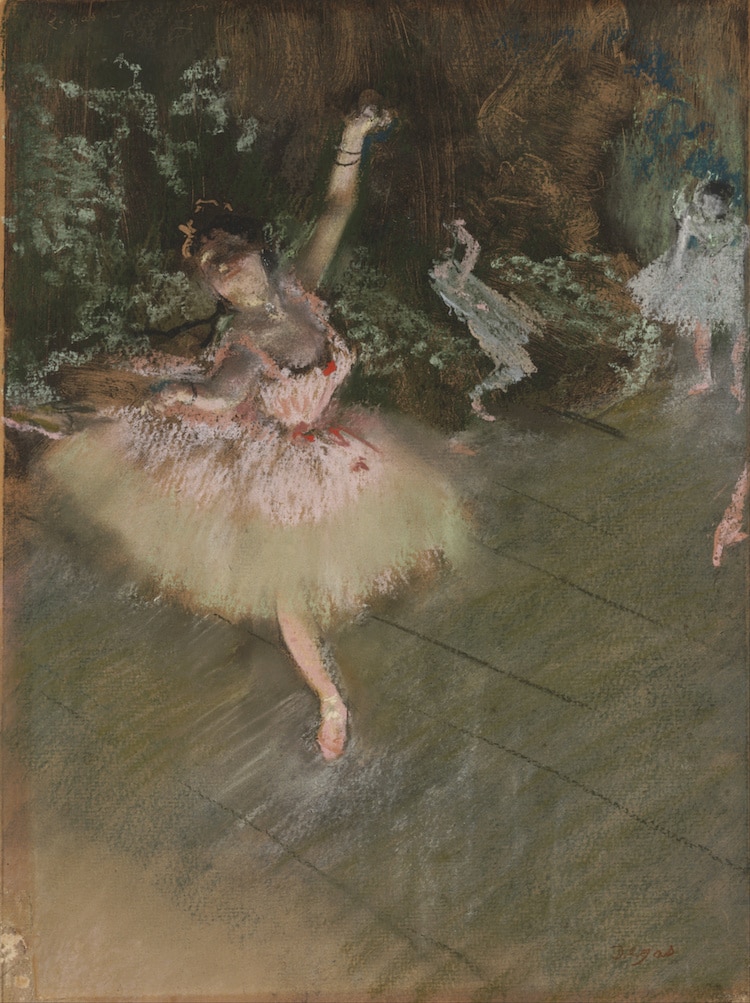
Once the surface has been chosen, the artist can begin to apply the pastels. One of the unique characteristics of dry pastels is that they can be blended and layered on top of each other, allowing for a wide range of colors and textures to be created. To blend pastels, artists often use their fingers, blending stumps, or other tools to gently blend the colors together. This creates a soft, velvety texture that is ideal for creating landscapes, portraits, and still life compositions.
 To create depth and dimension in a pastel piece, artists often use a technique known as layering. This involves applying several layers of pastel to the surface, gradually building up the color and texture until the desired effect is achieved. Layering allows the artist to create subtle variations in color and tone, resulting in a more dynamic and engaging work of art.
Another important technique in working with pastels is the use of contrast. By using contrasting colors and values, artists can create a sense of drama and movement in their compositions. For example, a landscape may be composed of soft, muted greens and blues, but with the addition of a bright, contrasting color such as red or yellow, the composition can come to life and evoke a sense of energy and vitality.
Despite its many advantages, working with dry pastels can also present some challenges. One of the main difficulties is the fragility of the medium. Pastel dust can easily smudge or rub off, making it difficult to transport or display finished pieces. To address this, artists often use fixative sprays to seal the pastel and prevent it from smudging. However, even with fixative, pastel pieces must be handled with care to prevent damage.
Another challenge in working with pastels is the limited range of colors. Unlike other mediums such as acrylic or oil paint, pastels cannot be mixed to create new colors. Instead, artists must rely on the wide range of colors available in commercial pastel sets, or purchase individual sticks of pigment to expand their color palette.
Despite these challenges, dry pastels remain a popular medium among artists for their versatility and expressive qualities. The ability to create vibrant colors and soft textures with ease makes pastels an ideal medium for artists working in a range of styles and genres. From landscapes to portraits to abstract compositions, pastels offer endless possibilities for creativity and self-expression.
Although bit tricky to work with but, dry pastels certainly is a unique and versatile art medium that have been used by artists for centuries. Their soft, velvety texture and vibrant colors make them ideal for creating expressive and dynamic works of art. Although working with pastels can present some challenges, the rewards are well worth the effort, as pastel pieces can capture the beauty and essence of a subject in a way that few other mediums can. Whether you are a beginner or an experienced artist, dry pastels are an excellent choice for exploring your creative potential and enhance your artistic skill.