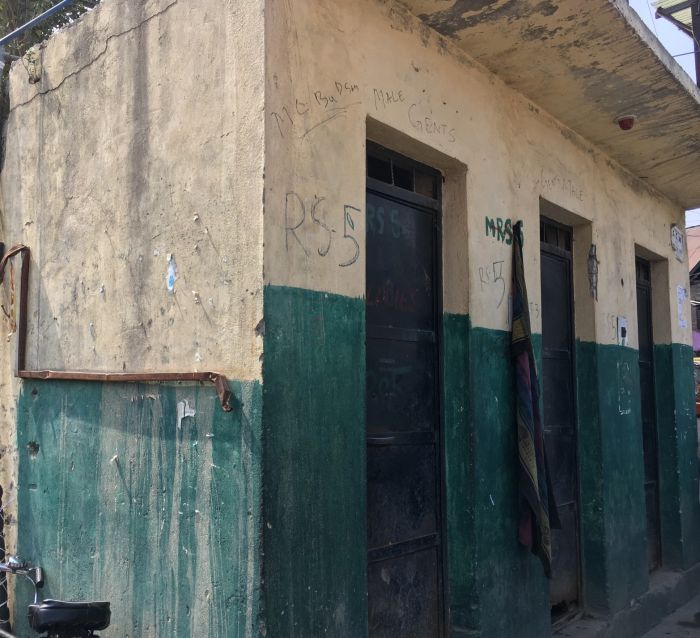

While World Toilet Day may sound like a strange occasion to commemorate, it is critical to ensure health and hygiene for many. The dedicated day highlights the global sanitation crisis that affects millions of people around the world who are living without access to a safely managed toilet. Without clean, safe toilets, human waste contaminates communities’ food and water sources, leading to sickness and even death, most commonly diarrheal deaths in severely affected areas. Also, inadequate sanitation is a huge problem for women; despite the detrimental effects of this widespread practice on men and women alike, women are more likely to be shamed because of it. It is often impossible for women to manage menstruation and pregnancy in private due to the lack of toilet facilities, or they have to wait until the dark to do so, which makes them vulnerable to attacks.
The observance has been held every year since 2013, in order to raise awareness about the fact that globally 3.6 billion people don’t have safe access to sanitation. It is about taking action to tackle the global sanitation crisis and achieve Sustainable Development Goal (SDG) 6: sanitation and water for all by 2030.The 2022 campaign ‘Making the Invisible Visible’ explores how inadequate sanitation systems spread human waste into rivers, lakes and soil, polluting underground water resources.This problem, however, appears invisible to the naked eye. Invisible because it happens underground. Invisible because it happens in the poorest and most marginalized communities.
The theme of World Toilet Day 2022 suggests ‘safe sanitation is crucial to protecting groundwater from human waste pollution’as the world is seriously off track to meet the promise of Target 6.2 of SDG 6: ensure safe toilets for all by 2030; and to meet thisby 2030, UN calls upon governments to work four times faster. This being said, aspolicymakers in India, we fully recognized the connection between sanitation and groundwater and safeguarding this vital water resource; hence proud to state that India has already achieved the SDG 6.2 Target in 2019 i.e., 11 years before the 2030 target date! With construction of over 11 crore individual toilets (and 2.18 lakh Community Sanitary Complex (CSCs)), the percentage of people using at least basic sanitation services (improved sanitation facilities that are not shared with other household) for India stood at 67% against Southeast Asia percentage of 63% in 2020 (as stated in WHO/UNICEF Joint Monitoring Programme (JMP) for Water Supply, Sanitation and Hygiene) and this figure has only improved in-spite of the COVID crisis. Not only this, but we are also marching ahead towards total sanitation, beyond just toilet use, to comprehensive waste management, especially Fecal Sludge Management (FSM), so as to stop contamination of our water bodies and protect the environment and our people.
Through the SBM(G), now in its phase II to make rural India ODF plus, dedicated interventions are implemented to manage solid and liquid waste, viz. for safe management of human faecal sludge, 392faecal sludge management arrangements have been instituted across 147 districts. In terms of innovations, DDWS expanded the scope of engaging Start-ups, for promoting innovation in areas like mechanized desludging. A Start-up Grand Challenge was organized earlier this year for crowd-sourcing technologies that could support sustainable, affordable, scalable, and responsive solutions to the solid and liquid waste management challenges in rural areas.
Our efforts towards total sanitation and envisioning an ODF plus India are based on the premise that water and sanitation infrastructure generates positive spillover effects that can be captured and demonstrated as incentives to the stakeholder. The spillover effects in form of significant reduction in morbidity and mortality from water-borne diseases – diarrhea, cholera, typhoid, dysentery, and hepatitis, more affordable water supply, increase in local economic development, reduction in groundwater contamination, improvement in the recharge status of nearby aquifers, and reuse of treated water for agriculture and/or industrial purposes; are enticing enough for the stakeholders to invest their time and energy in SBM(G). While the health and environmental advantages of a functioning sanitation system are clear, the benefits go further. The UN states that for every $1 invested in basic sanitation up to $5 is returned in saved medical costs and increased productivity. Also, when carefully managed, wastewater can provide some surprising economic benefits, contributing to overall well-being and health, water and food security and sustainable development.
The point of investments brings me to innovative public–private practices in water and sanitation in India. These public–private partnership models focus on collaboration between communities, women, and implementing agencies to deliver safe drinking water and better sanitation and to also educate women on hygiene and personal well-being. Though our ‘Lighthouse Initiative’ with corporates and the Rural WASH Partners’ Forum comprising all development sector entities, we are streamlining and channelizing all efforts to achieve ODF plus status for all villages of India. Like I often say, WASH targets of the country are ambitious, but the efforts to achieve them are equally backed by strong political will, adequate funding and the partnerships among all stakeholders.
I would like to conclude by saying that under the visionary leadership of our Prime Minister, we are putting in every effort towards total sanitation in the country. You too must do your bit! Learn more about this issue and get involved by spreading the knowledge and taking action to contribute to the sanitation movement of your country.
The writer is Secretary, Deptt. of Drinking Water & Sanitation Ministry of Jal Shakti, GoI