“LET us never negotiate out of fear. But let us never fear to negotiate,” president John F. Kennedy famously said in his inaugural address in January 1961. In those wise words, Kennedy summed up the essence of the diplomatic process. It is at work today in German Chancellor Angela Merkel’s moves to hold a summit on Syria and other issues with Russian President Vladmir Putin and Turkish President Recep Erdogan, whom she invited to a state visit to put past incidents behind them.
In his recent book, India and Pakistan: Neighbours at Odds, Avtar Singh Bhasin mentions a relevant episode. A summit of the two countries’ prime ministers took place in New Delhi in May 1955. While Kashmir was uppermost on Mohammad Ali’s mind, as the first item, Nehru wanted to discuss an incident that allegedly occurred in Nekowal on May 7, a week before the talks, in which five Indian army personnel and six Indian civilians were killed. It led to a very long correspondence between the prime ministers, spread over a year. But the diplomatic process was not disrupted.
Khrushchev planted deadly missiles on Cuban soil posing an existential threat to the United States. Kennedy made two moves. First, he publicly declared that an attack on the United States by the missiles based in Cuba would be treated as an attack by the Soviet Union itself. Secondly, he initiated talks with the Soviet Union through more than one channel; diplomatic as well as informal through newsmen. The result was a historic accord. The Soviet Union withdrew its missiles from Cuba and the United States withdrew its Jupiter missiles from Turkey. But the Soviet Union secretly agreed not to publicise this concession.
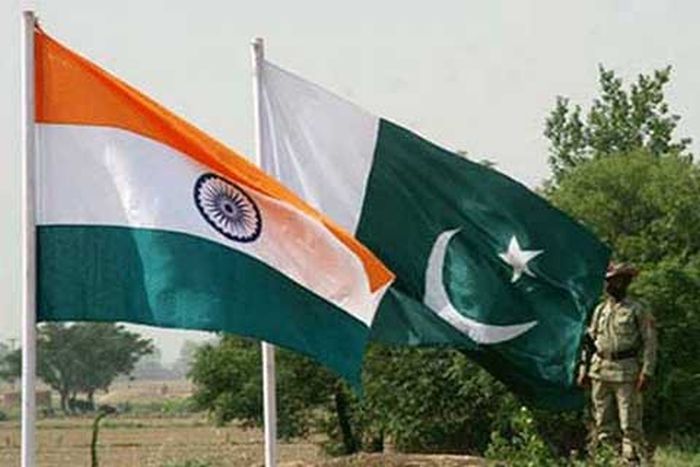
Since their independence in 1947, India and Pakistan have been holding talks and conducting negotiations in all manner of situations, directly or through mediators, particularly the United States (1962-1963), 1999 and 2003-2004. But, of late, the United States has adopted a rather distant posture.
India under the Modi regime sensed that and adopted a new line. It is coercive diplomacy. In the past, it was used vis-à-vis Sri Lanka on the Tamil issue and more recently vis-à-vis Nepal with a cruel blockade. Many saw Nehru’s grievances on Nekowal as justified. But he did not let the incident disrupt the talks. Modi and his National Security Adviser Ajit Doval have different notions.
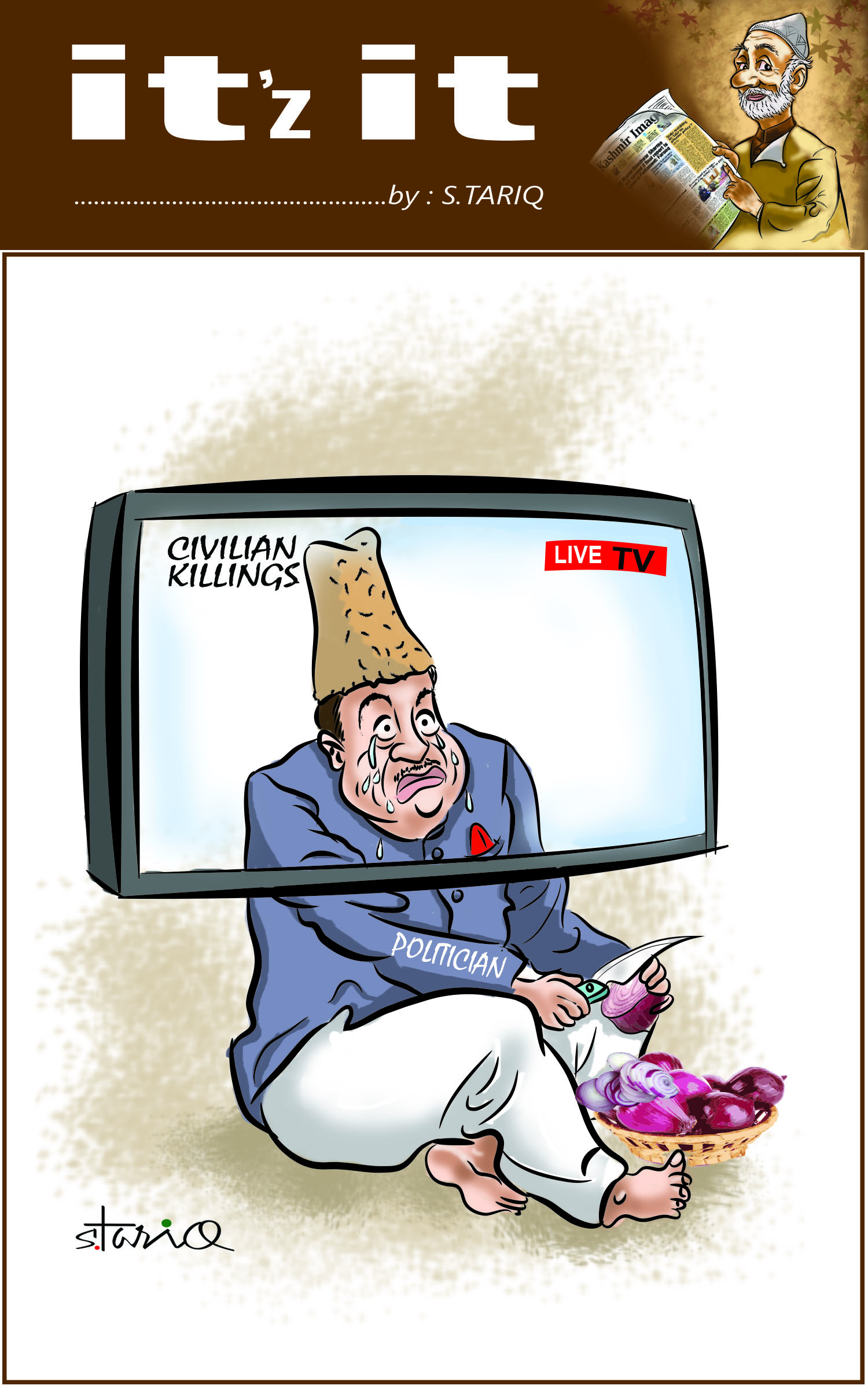
Calling off the foreign ministers’ talks in New York on Sept 21, a day after they were announced, was accompanied with gaucheries that could have been avoided. The spuriousness of excuses is one (the alleged killing of policemen across the Line of Control and Pakistan Post stamps issued in July that depicted Burhan Wani), the other is use of language that stops short of expectations (including personal attacks on Prime Minister Imran Khan).
This is not the first time that Pakistan’s head of government has been called names. It also happened after the July 2001 Agra summit when prime minister Atal Behari Vajpayee and foreign minister Jaswant Singh took turns to call president Pervez Musharraf names in parliament. Jaswant Singh made derisory remarks on the English used by Pakistan’s foreign minister Abdul Sattar, a distinguished diplomat who had spent a lifetime drafting diplomatic documents. Jaswant Singh was a Johnny-come-lately whose English drew ridicule from all.
There is a parallel between the two collapses. At Agra, a joint declaration was drafted. Internal dissents killed it; Lal Kishan Advani had agreed to a summit only to size up Musharraf. At his very first meeting, he took up the issue of Dawood Ibrahim with the guest, with utter impropriety and lack of sense. When he learnt that a declaration was being drawn up, he hit the ceiling. An Indian Foreign Service officer had worked on him. Both Vajpayee, publicly in parliament, and Singh, to the officials present, complained of intrusions into their respective rooms while they were either talking or drafting. Advani was seen pacing up and down the corridor as if in panic. He wrecked the summit.
In 2018, it is internal pressures that wrecked the foreign ministers’ meeting. Hence the spurious excuses and cheap language on both occasions. Clearly the BJP’s political culture has scant respect for the niceties of the diplomatic process except with more powerful countries.
This is a reality all have to live with. Grievances and concerns must be addressed. India is sadly mistaken if it believes that coercive diplomacy will improve the situation. Pakistan cannot be driven to a corner. It is not a pushover. There is no substitute for classic diplomacy, which has served the cause of peace for centuries even amidst confrontation. The United States and China held talks at Warsaw at the worst of times. They yielded an accord on Quemoy and Matsu islands in 1962 and averted war.
Confrontation and talks are good companions.
Courtesy Dawn