BY: William Horsley
FIFTY-THREE Commonwealth heads of government will meet for a summit in London from April 16 to 20. Lord Ahmad of Wimbledon, the UK minister of state for the Commonwealth, lauded it as a unique network of 53 states with a responsibility to exert global influence based on a shared commitment to democracy, the rule of law and good governance as enshrined in the Commonwealth Charter of 2013.
But the record of Commonwealth countries concerning the rising number of killings of journalists points to a failure by authorities in some member states to protect the lives of journalists targeted for their work. UN statistics show that in all but a few cases the killers are shielded from facing justice by a climate of judicial impunity. Where is the ‘rule of law’ in that?
From the start of 2013 to the end of 2017, 57 journalists in Commonwealth countries were killed in the course of their work, according to Unesco. Most were killed to stop them from publishing reports into abuses of power, crime or corruption, often linked to public figures or law-enforcement officials. Among the recent murders are those of editor and journalist Gauri Lankesh, shot outside her home in Bangalore last September, and Daphne Caruana Galizia, Malta’s best-known investigative journalist, killed in a car bombing a month later.
Yes, Commonwealth countries like India have pioneered some of the most liberal right to information laws, and all member states are publicly committed to democratic standards. Yet Commonwealth governments have evaded the demands for them to take determined actions to confront the pattern of violent assaults and other arbitrary actions aimed at silencing journalists and news media whose role is to inform the public. The London summit is the right time for them to put this on their agenda.
Luckily the Commonwealth has vigorous CSOs which monitor cases of violence and intimidation against journalists and others who document abuses of civil and political rights. The Charter gives a mandate for strong action, despite the reluctance of some member states, by acknowledging the ‘surge in popular demands for democracy and human rights’.
Unesco’s figures give this revealing breakdown of the 57 killings of journalists in Commonwealth countries in the five years up to the end of 2017: Pakistan 23, India 18, Bangladesh eight, Nigeria three, and one each in Kenya, Malta, South Africa, Tanzania and Uganda.
Even more troubling, perhaps, is the picture emerging from Unesco’s records on the lack of effective judicial follow-ups in countries where journalists have been killed. The latest official report published by the director general of Unesco recorded state authorities’ responses to killings of journalists from 2006 to 2015. In that decade 104 journalists were killed in eight Commonwealth states. Those statistics — based on information supplied by the governments concerned — fail to record a single case in which the perpetrators were brought to justice. The figures are incomplete because many states fail to send back information about prosecutions. Research shows that a handful of journalists’ killings have led to successful prosecutions, eg in the cases of TV journalist Wali Khan Babar, killed in Pakistan in 2013, and Gautam Das, a Bangladeshi crime reporter killed in 2005.
A first step towards building confidence would be for all Commonwealth states to pledge to open investigations into unresolved cases and report progress to the UN.
Journalists are only one of many categories of people who may face violence in Commonwealth countries. But half a dozen UN resolutions adopted since 2012 have recognised that journalists face special dangers because of their work and deserve protection in order to counter corruption and abuse of democratic rights.
A coalition of Commonwealth professional organisations has come together to urge government leaders at the summit to face up to this stain on the organisation’s record. The Commonwealth Journalists Association joins the Commonwealth’s impressive networks of lawyers, legal educators, parliamentarians, academics and human rights advocates in putting forward a balanced and practical set of Commonwealth Principles on Freedom of Expression and the Role of the Media in Good Governance*.
The Principles are written guidelines for democratic rules of engagement, so to speak, between the media and the parliament, judiciary and executive. They won’t be legally binding as Commonwealth states have made clear that would be anathema to them, but can serve as a manual of good practice to move the countries towards ending impunity and fulfilling their commitment to protect the media’s right to report on public affairs.
The heads of government meeting in London’s royal palaces this week should realise that if the Commonwealth cannot be part of the solution it may well be part of the problem.
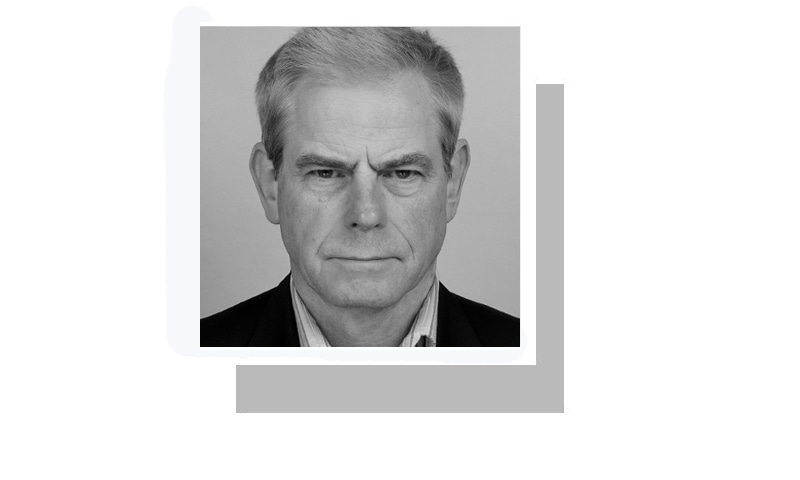
The writer is an executive committee member of the Commonwealth Journalists Association.
Courtesy Dawn