Zehra Kamal Alam
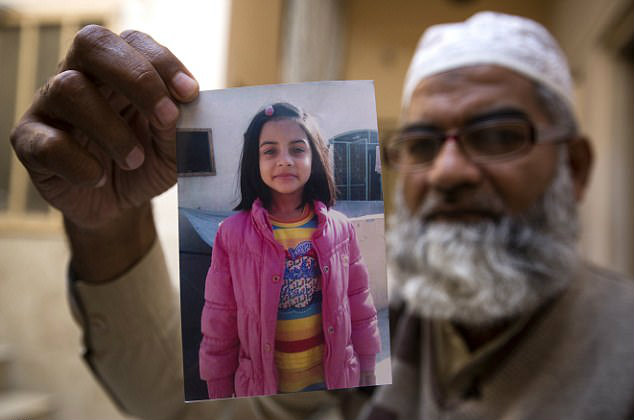
THE Zainab rape-murder case in Kasur has jolted the nation into thinking seriously about a highly prevalent but hushed-up issue. There is an increased sense of urgency and greater receptivity among parents, teachers and adult caregivers to the idea of providing children with information that can help to protect them from potentially sexually abusive situations.
Fortunately, there is evidence that the basic elements of a good preventive programme at schools can lead to children knowing more about the issue and learning skills to deal with potentially abusive situations. Knowledge may not always prevent abuse, but it certainly contributes towards children disclosing it earlier. Moreover, it helps children understand that they have no reason to blame themselves.
Children as young as even three years can be given basic, age-appropriate information. Preventive programmes that focus on providing information to children about the difference between a good, bad and secret touch and between safe and unsafe situations, that help them assert themselves and build their overall self-esteem have shown to be more effective than those that do not. It has been seen that children with greater self-esteem are better able to apply their knowledge and skills to the task of protecting themselves. The self-blame that children often associate with abuse must be addressed and the importance of disclosing abuse to a trusted adult should be stressed.
Parents are an essential component of effective preventive programmes. Making parents aware about the issue and what the preventive programme a child is participating in will cover can help alleviate their concerns and address some of the misconceptions they may have — a common misconception is that their child is being taught about sex. Parents often report that they lack the right knowledge and words to communicate with their children and some of them are appreciative of school-based efforts. With awareness, parents can be allies in promoting preventive programmes.
When it comes to child sexual abuse, what do schools need to know about preventive programmes?
But how should this information be shared and how often? Lecture-based talks, seminars, etc do little to build children’s knowledge and skills. Age-appropriate information needs to be given to children through stories, games, puppet shows, cartoons, etc. Studies have shown that role play and exercises that allow children to practise communication skills and develop assertiveness are most effective. Giving children a chance to ask questions and sharing their concerns through active discussions is also highly recommended.
Meanwhile, information given in ways that only heighten a child’s fear and leaves him or her feeling powerless is of little help. Acknowledging these feelings if they arise in children is important, but building the required confidence in them is most critical.
While views vary on the number of sessions that children need to participate in, there is general agreement that a single session is not very effective. Evidence from international preventive programmes has shown that there should be at least four, if not more, sessions. Short sessions spread over the academic year may work better than a few long ones. Ideally, these sessions should be part of the regular curriculum in all classes.
It is also imperative that those who have been given the task of imparting this information to children be trained to know about the different forms that child sexual abuse takes, its dynamics and effects, and how to respond to such abuse. Skills to communicate this information to children and facilitate sessions in this regard are also essential. Teachers who are open to learning about the issue and have a child-friendly approach are most suited to undertake this work. While such information need not be provided by a mental health professional, it is recommended that schools be linked to one, or to an expert organisation that can provide refresher courses to the teachers and guide them in difficult situations and in case referrals and counselling where required.
Parents are an essential component of effective preventive programmes. Making parents aware about the issue and what the preventive programme a child is participating in will cover can help alleviate their concerns and address some of the misconceptions they may have — a common misconception is that their child is being taught about sex. Parents often report that they lack the right knowledge and words to communicate with their children and some of them are appreciative of school-based efforts. With awareness, parents can be allies in promoting preventive programmes.
Besides talking to children and parents, what else is needed? An effective school-based programme would include staff training on the issue of child sexual abuse on a regular basis. Abusers are often found in places where they can have easy access to children, and schools can be one such place. Thus it is also recommended that a code of conduct for the protection of children be developed for both the teaching and non-teaching staff. Such a code should clearly state the kind of behaviour that is expected from the staff, and the consequences of violating the school’s policy.
Schools also need to review their policies on bullying, corporal punishment, physical and emotional abuse. In a school environment where children are disrespected, bullied and undergo physical punishments, mere information about child sexual abuse will not encourage them to speak out.
Once schools start discussing the issue of child sexual abuse with children, there are chances that the latter would start to disclose abuse. While some situations may require direct communication with the parents, others may be more complex. To address these matters, schools are encouraged to constitute a child protection committee that includes sensitised teachers, parents and a professional with a background in children’s emotional health issues. Maintaining children’s confidentiality and privacy in these situations is essential.
Other preventive steps in schools include ensuring that recess for older and younger children are separate, and children’s toilets, play areas or isolated places in school are not left unsupervised. It is recommended that a school team is nominated to ensure that all required activities are being undertaken and that emerging needs are being brought forward to the school authorities.
Schools are strongly encouraged to develop a child sexual abuse prevention and response policy, so that it becomes part of the formal and regular system of the school. They should also contact organisations such as Aahung, Rozan and Sahil — that are working on the issue of child sexual abuse — for guidance and training in setting up child protective mechanisms and accessing locally developed educational resources.
Courtesy Dawn
The writer is a clinical psychologist and has worked for 19 years with children and adults in Pakistan especially on trauma and violence.