LEH: The Union Territory of Ladakh is set to vote in grassroots elections on Saturday, November 21, with people electing representatives to local bodies for the first time since the region was separated from Jammu and Kashmir in 2019.
Polling staff and election material have already reached some of Ladakh’s most remote settlements. Several villages going to the polls are located close to the borders with China and Pakistan, adding to the logistical and strategic significance of the exercise.
While political parties have campaigned extensively, some groups have opposed the elections and even called for a boycott. Saturday’s polling will take place against the backdrop of competing narratives over governance, development and the demand for greater political and constitutional safeguards for the region.
Since 2019, the Centre and the ruling BJP have highlighted expanded road networks, border infrastructure, welfare schemes, administrative restructuring and digital governance as evidence of development under direct administration. The party has also projected local body elections as another step towards strengthening democratic participation.
However, another political narrative continues to shape the region. The Leh Apex Body (LAB) and the Kargil Democratic Alliance (KDA) have maintained that development cannot substitute for political safeguards. They have been demanding statehood, constitutional protections, safeguards for land and jobs, greater political representation and a clear roadmap for Ladakh’s future.
The continuing sit-in protest in Leh reflects the unresolved political demands and the differences over the region’s administrative and constitutional status.
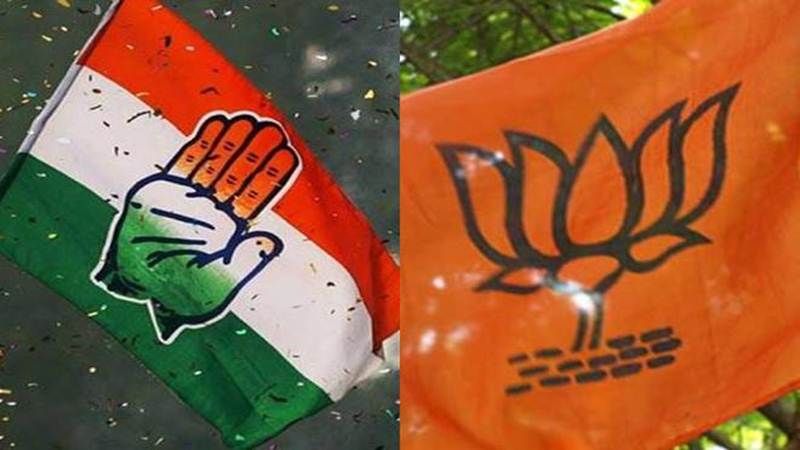
Meanwhile, the BJP and the Congress are locked in a direct electoral contest, while the National Conference has entered into alliances with other parties, particularly in the Kargil region.