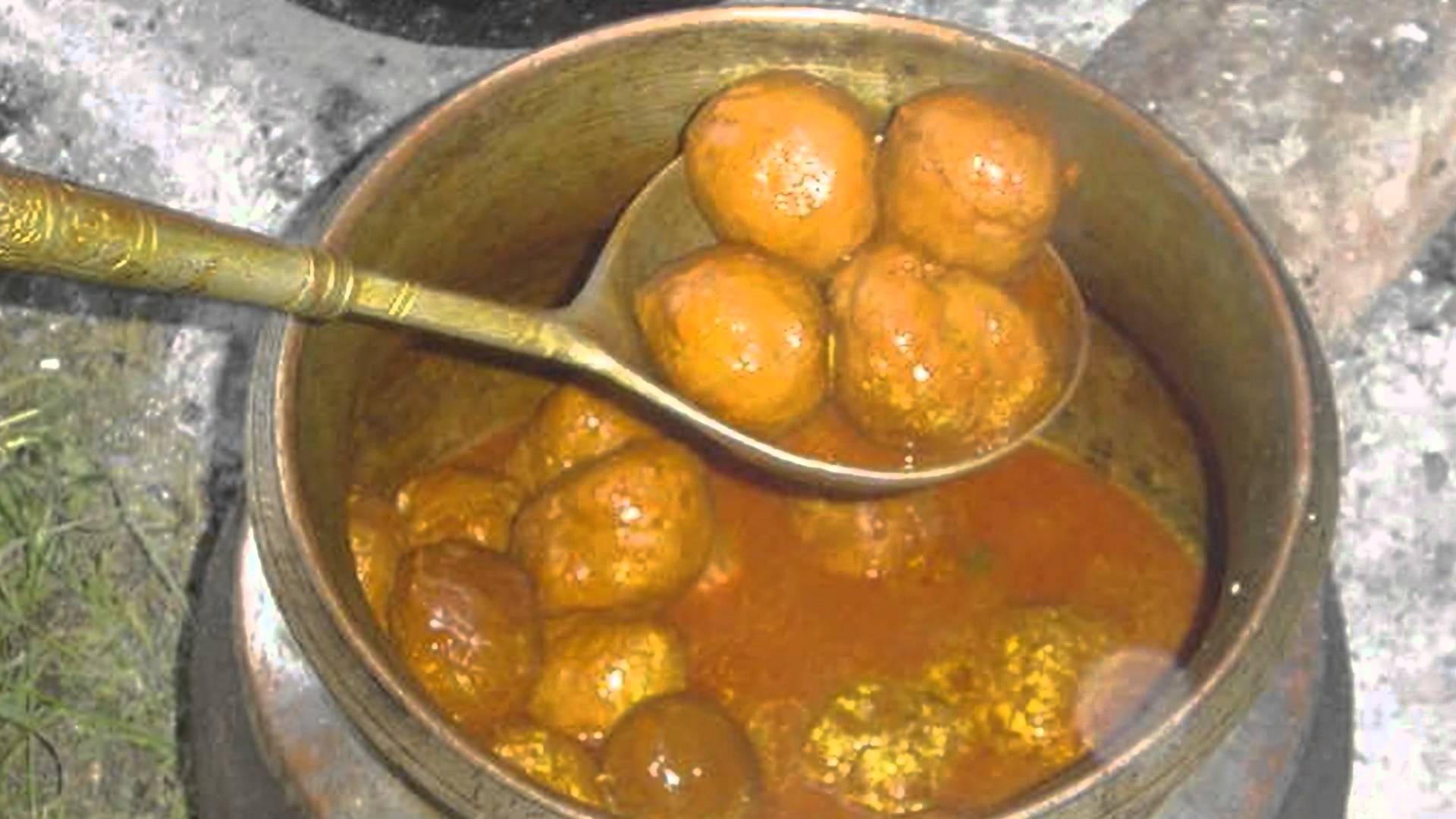
Srinagar: Weddings everywhere are occasions of celebration, hospitality, and cultural bonding. In Kashmir, at the heart of these celebrations is the Wazwan, an elaborate traditional feast that has for long symbolized Kashmiri identity, and the warmth of its hospitality.
Over the years, however, the traditional feast has undergone a significant change. What was once primarily about serving traditional delicacies and welcoming guests is increasingly becoming a display of social prestige, with the number of dishes often determining how lavishly a family has celebrated a wedding.
Wazwan is served in a large copper plate called ‘Trami’, which is shared by four people. Traditionally, the feast would have around seven dishes, and the emphasis was largely on the quality of food and the traditional method of its preparation.
Today, however, the spread at many weddings has expanded considerably. It is not unusual for families to serve at least 15 dishes, while some elaborate arrangements feature 20 to 25 varieties.
The change is not limited to the main wedding feast. The series of ceremonies and meals associated with a Kashmiri marriage has also grown in scale, adding to the financial burdens of the hosts.
Be it’s the main feasts of ‘YeniWoul’ (the wedding day) or the ‘Watthal’ (day following the wedding date), or for that matter the ‘Phirre Saal’ (when bride’s family hosts the new weds — the couple along with some of their close friends and family members) or the ‘Satim Saal’ (when bridegroom’s family hosts the people from the bride’s side), one each occasion the Wazwan is served with elaborate extravagance. These ceremonies, which were once relatively simple, have now become increasingly lavish and wasteful too!
The number of guests, food arrangements, and expectations surrounding hospitality have obviously added considerably to the overall cost of Kashmiri weddings.
No wonder then for many middle-income families, this growing trend has become a back-breaking financial burden. Some households spend lifelong savings for weddings, while others are forced to borrow money to meet the rising costs of food, catering, and arrangements.
The pressure is not always driven by a family’s own wishes. In many cases, it comes from the fear of social judgment. Families worry that serving fewer dishes or organizing a comparatively modest feast may invite criticism from relatives, neighbors and the wider community.
The familiar concern of “what would people say” has increasingly become a factor in wedding expenditure. Even families that cannot comfortably afford lavish arrangements often feel compelled to match the standards set by others.
This has gradually changed the meaning of hospitality. Instead of focusing on welcoming guests and preserving culinary traditions, greater attention is now given to the number of dishes served, the size of the gathering and the overall appearance of the feast.
The growing scale of Wazwan has also raised concerns about food wastage. When large quantities of food are prepared to meet social expectations and impress the guests, a considerable amount may remain uneaten. This is particularly concerning when families are already spending substantial sums to organize these feasts.
The question that merits a careful thought is whether this expansion of wedding feasts serves any real purpose beyond social competition. Who are the beneficiaries of this foolish extravagance? Does it in any way help the couple entering into wedlock or their families? These and countless other questions associated with the way our weddings are celebrated need to be asked and answered too!
Minus all the new “insanities” that have crept onto the Wazwan plate, and the way it is presented, it goes without saying that Wazwan remains one of Kashmir’s most recognizable traditions and an expression of its hospitality, culinary heritage, and centuries-old food culture.
The concern that the growing competition surrounding wedding feasts is gradually overshadowing the very values that made the tradition meaningful!
Preserving Wazwan does not necessarily mean adding more dishes every year; rather, it means keeping alive its traditional character, dignity, and spirit of hospitality.
A wedding should ultimately be remembered for the relationships it brings together and the happiness it creates, not for the number of dishes served on a Wazwan Trami!