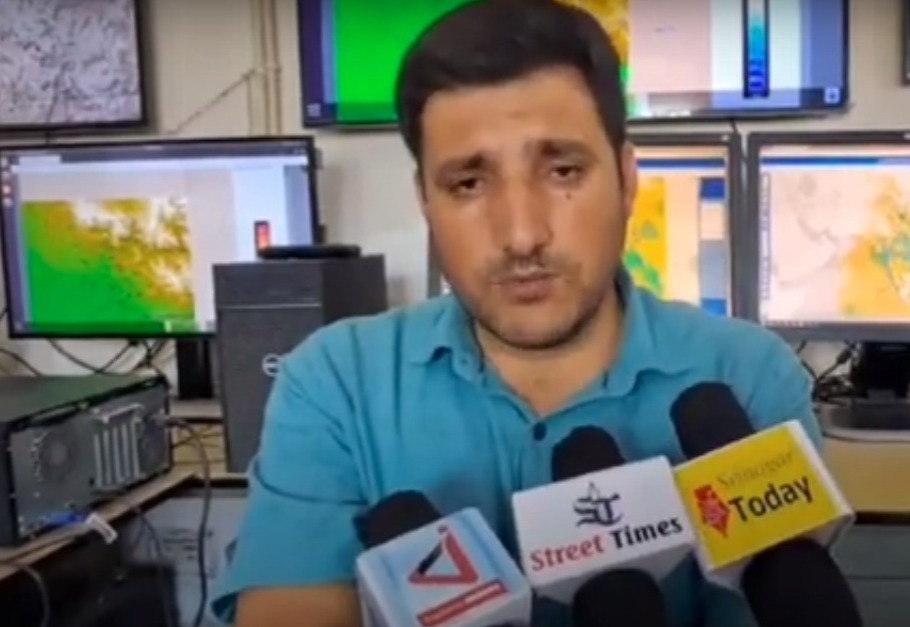
SRINAGAR: Jammu and Kashmir is likely to witness a relatively mild and drier-than-normal winter under the influence of El Niño, although one or two significant snowfall spells during the peak winter season cannot be ruled out, Director of Meteorological Department Srinagar, Dr Mukhtar Ahmad, said on Monday.
Speaking to Kashmir News Observer (KNO), Ahmad dismissed social media claims suggesting that winter would not occur in India this year, describing them as unscientific.
“Winter will definitely come. Sometimes winters are severe and sometimes mild. What we have been witnessing over the last few years is a relatively mild winter,” he said.
Referring to indications from the World Meteorological Organisation (WMO), Ahmad said the latter part of 2026 and the beginning of 2027, particularly the peak winter months, could be warmer and drier due to the influence of El Niño.
However, he cautioned against making definitive long-range forecasts, noting that weather patterns remain dynamic and can change with shifts in atmospheric conditions.
“If there are one or two good spells during peak winter, especially with adequate moisture supply or a strong Western Disturbance, it can be beneficial,” he said.
According to Ahmad, Jammu and Kashmir has experienced a similar trend in recent years, with prolonged dry periods interrupted by occasional snowfall events that were generally weaker than expected.
He said the region is currently being affected by frequent but weak Western Disturbances, arriving every few days but producing little significant weather activity.
“These are mostly feeble Western Disturbances. In the mountainous areas of North Kashmir, there may be some light snowfall or cloudiness, but there has been no major weather activity,” he said.
The MeT Director stressed that a strong Western Disturbance during the onset or peak of winter would be important for the region’s water resources and ecology.
Ahmad also linked changing snowfall patterns to climate change and rising temperatures, saying warmer conditions were affecting both the timing and form of precipitation across the Himalayan region.
He noted that Kashmir has not consistently received snowfall during the peak winter months over the past four to five years, leading to shorter snow-cover periods and longer dry spells.
“Timely snowfall is as important for hilly states like Jammu and Kashmir, Himachal Pradesh and Uttarakhand as rainfall is during summer,” he said.
Snowfall during peak winter has a greater impact because lower temperatures allow snow to remain on the ground longer and contribute to glacier recharge, Ahmad explained. Snowfall later in the season can also be beneficial, but warmer temperatures often lead to faster melting.
“Due to rising temperatures, the snow melts quickly. So timely snowfall is very important for the Himalayan region,” he said.
On the current precipitation scenario, Ahmad said overall rainfall and snowfall levels in Jammu and Kashmir remain close to normal despite variations between individual months.
He said July recorded around 35 per cent excess rainfall, while August witnessed a deficit of about 25 per cent. Despite these fluctuations, the overall seasonal precipitation pattern remains near normal.
“Overall, the precipitation scenario for the season is almost near normal,” Ahmad said.
He urged people not to draw conclusions from speculative reports and said snowfall and rainfall are still expected during the coming winter, even if seasonal conditions turn out to be milder than average.