New Delhi: India has a plan to develop and operationalise at least five indigenously-designed small modular reactors (SMRs) by 2033, the government informed Parliament on Thursday.
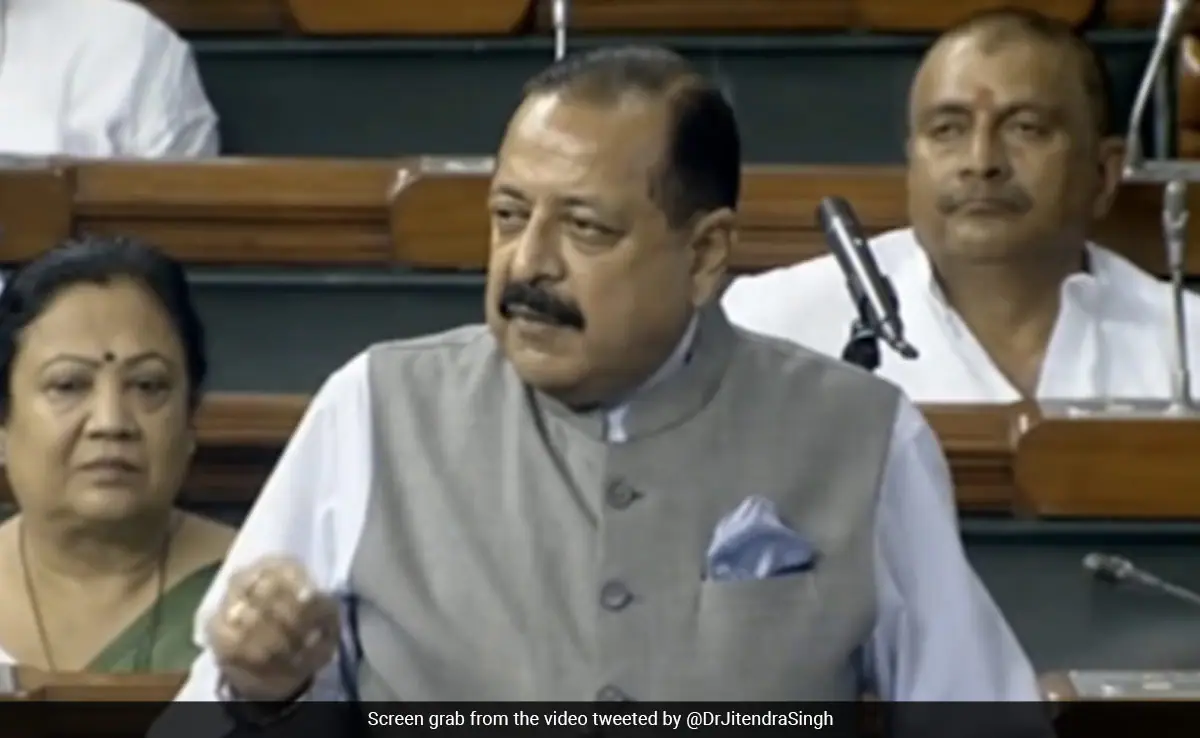
In a written reply to a question in the Rajya Sabha, Union minister Jitendra Singh said the Bhabha Atomic Research Centre (BARC) has, as of now, undertaken the design and development of three SMRs.
These are “220-MWe Bharat Small Modular Reactor (BSMR-200), 55-MWe Small Modular Reactor (SMR-55) and up to 5-MWth High Temperature Gas Cooled Reactor (HTGCR),” the minister said.
The BSMR-200 has a pressurised water reactor (PWR) design and will be built in Maharashtra’s Tarapur.
At the same location, the SMR-55, which is also based on a PWR design, is being developed, Singh said.
“Up to 5 MWth HTGCR is being designed and developed by BARC as a nuclear heat source and to be coupled with a suitable thermochemical cycle, such as the copper-chlorine cycle, for hydrogen production,” he added.
The proposed site for the reactor is Visakhapatnam, Andhra Pradesh.
The minister highlighted that the SMRs will help in captive power generation for energy-intensive industries, such as steel, aluminium, cement and other metal industries.
The SMRs will also help in re-purposing retiring fossil fuel-based thermal power plants and supplying reliable electricity to remote and off-grid locations.
“HTGCR can be coupled with a suitable thermochemical cycle for producing green hydrogen for the transport sector and process industries,” Singh said.