• About us
  • Contact us
  • Our team
  • Terms of Service
Friday, November 13, 2026
Kashmir Images - Latest News Update
Epaper
  • TOP NEWS
  • CITY & TOWNS
  • LOCAL
  • BUSINESS
  • NATION
  • WORLD
  • SPORTS
  • OPINION
    • EDITORIAL
    • ON HERITAGE
    • CREATIVE BEATS
    • INTERALIA
    • WIDE ANGLE
    • OTHER VIEW
    • ART SPACE
  • Photo Gallery
  • CARTOON
  • EPAPER
No Result
View All Result
Kashmir Images - Latest News Update
No Result
View All Result
Home BUSINESS

Govt proposes tougher CAFE-III fuel efficiency norms for passenger vehicles from April 2027

Press Trust of india by Press Trust of india
July 17, 2026
in BUSINESS
A A
0
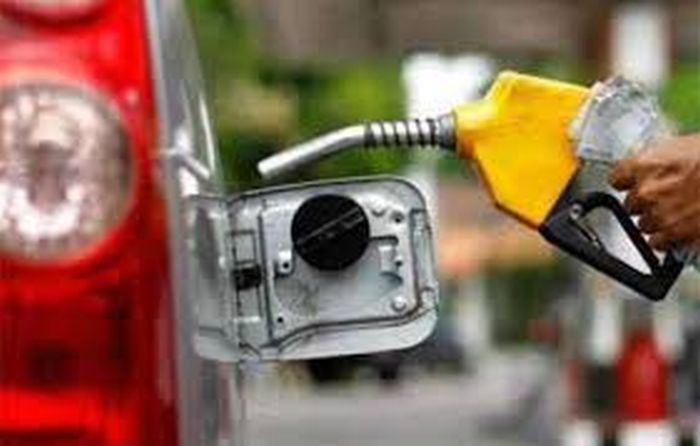
Petrol crosses Rs 90-mark in Mumbai, rates at all-time high across country
FacebookTwitterWhatsapp

New Delhi: The government has proposed tighter fuel efficiency standards for passenger vehicles under the third phase of the Corporate Average Fuel Efficiency (CAFE) regulations, including stricter carbon dioxide emission targets, incentives for cleaner technologies, and a market-based compliance mechanism.

The Union Power Ministry on Thursday released draft CAFE-III norms for stakeholder consultation, proposing the new norms to take effect from April 1, 2027, after the current CAFE-II regime expires on March 31, 2027. These will remain in force for five years.

More News

Indian economy has been ‘shining star’ in otherwise ‘gloomy world’: NITI Aayog VC

Retail inflation breaches RBI’s upper tolerance band at 6.09%; rate hike likely next month

Earlier PM said ‘sab changa si’, now it is ‘sab mehnga si’: Cong taunts govt over price rise

Load More

Compliance would be assessed over two blocks — an initial three-year period followed by a two-year period.

The proposed regulations would apply to M1 category passenger vehicles having not more than eight seats in addition to the driver’s seat, that are manufactured or imported for sale in India during the 2027-28 to 2031-32 period.

The draft proposes progressively tighter fleet-average fuel consumption targets, reducing the benchmark from 3.996 litres per 100 km (94.76 grams of carbon dioxide per km) in 2027-28 to 3.3273 litres per 100 km (78.90 grams of CO2 per km) by 2031-32. 

The phased approach is intended to provide automakers with greater regulatory certainty while allowing time to develop and introduce more fuel-efficient models.

For the first time, the proposal introduces Carbon Neutrality Factors (CNFs), allowing specified reductions in declared tailpipe CO2 emissions for vehicles using ethanol, biofuels and Compressed Bio-Gas (CBG). 

An 8 per cent CNF has been proposed for current ethanol blending levels, while reductions for CBG and other biofuels would be linked to prevailing blending levels.

The draft also proposes compliance incentives of up to 9 grams of CO2 per km for approved fuel-saving technologies, subject to a cap of 1 gram per technology, and retains volume-based “super credits” for battery electric vehicles, range-extended electric vehicles, plug-in hybrids, strong hybrids and flex-fuel vehicles while calculating fleet-average fuel consumption.

A credit-and-debit mechanism has also been proposed under which manufacturers exceeding their prescribed targets would earn compliance credits that can be carried forward within a compliance block. 

Automakers falling short of their targets could meet their obligations through carry-forward provisions, voluntary pooling arrangements with other manufacturers or by purchasing compliance credits from the Bureau of Energy Efficiency (BEE).

The proposal sets an initial buyout price of Rs 2,500 for each compliance credit, with the price rising by Rs 500 annually. Credits would lapse if left unused at the end of a compliance block.

Manufacturers failing to comply with the norms would be liable for penalties under the Energy Conservation Act, while passenger vehicle makers with annual sales of fewer than 1,000 units would remain exempt.

The Ministry of Power has invited comments from stakeholders and the public on the draft norms until August 6.

“The norms are proposed to be applicable to M1 category passenger vehicles manufactured or imported for sale in India during 2027-28 to 2031-32,” it added. 

 

Previous Post

Eight injured after passenger tempo overturns in Rajouri

Next Post

FCRA renewal data: CIC says blanket denial appears ‘misplaced’, flags obstruction of RTI right

Press Trust of india

Press Trust of india

Related Posts

Indian economy has been ‘shining star’ in otherwise ‘gloomy world’: NITI Aayog VC

Indian economy has been ‘shining star’ in otherwise ‘gloomy world’: NITI Aayog VC
November 12, 2026

New Delhi: The Indian economy has been the "shining star" in an otherwise "gloomy world", as the country has maintained...

Read moreDetails

Retail inflation breaches RBI’s upper tolerance band at 6.09%; rate hike likely next month

Wholesale inflation hits three-month high of 0.53% in March
November 12, 2026

New Delhi: Retail inflation surged to 6.09 per cent in October, breaching the Reserve Bank's upper tolerance limit for the...

Read moreDetails

Earlier PM said ‘sab changa si’, now it is ‘sab mehnga si’: Cong taunts govt over price rise

PM leaving no stone unturned to save ‘flailing image’: Cong slams UGC’s ‘selfie points’ directive
November 12, 2026

New Delhi: The Congress on Thursday targeted the Modi government over rising prices, and said the public wants inflation to...

Read moreDetails

World leaders urge stronger and faster action at UN climate talks over inadequate response

World leaders urge stronger and faster action at UN climate talks over inadequate response
November 11, 2026

Antalya (Turkiye):  World leaders began formal talks at the United Nations climate conference in Turkiye on Wednesday, seeking agreement on...

Read moreDetails

India’s renewable energy expansion averts $100 bn in fuel imports, savings seen at $240 bn by 2030

‘J&K leading the charge in electricity sector reforms’
November 11, 2026

New Delhi: India's rapid expansion of renewable energy has helped the country avoid more than USD 100 billion (about Rs...

Read moreDetails

Govts investing heavily in bioeconomy; India best example of demand, supply growing together: WEF

Global recession likely in 2023; India may benefit from diversification of supply chains: WEF survey
November 10, 2026

New Delhi: Governments across the world are investing heavily in bioeconomy development and India provides the clearest example of demand...

Read moreDetails
Next Post
MHA approves forensic institute in J&K after AIIMS proposal

FCRA renewal data: CIC says blanket denial appears 'misplaced', flags obstruction of RTI right

  • About us
  • Contact us
  • Our team
  • Terms of Service
E-Mailus: kashmirimages123@gmail.com

© 2025 Kashmir Images - Designed by GITS.

No Result
View All Result
  • TOP NEWS
  • CITY & TOWNS
  • LOCAL
  • BUSINESS
  • NATION
  • WORLD
  • SPORTS
  • OPINION
    • EDITORIAL
    • ON HERITAGE
    • CREATIVE BEATS
    • INTERALIA
    • WIDE ANGLE
    • OTHER VIEW
    • ART SPACE
  • Photo Gallery
  • CARTOON
  • EPAPER

© 2025 Kashmir Images - Designed by GITS.