Washington/New Delhi: The US has proposed to impose 12.5 per cent tariffs on 54 countries, including India, for allegedly failing to prohibit the import of goods produced with forced labour, even as officials from New Delhi and Washington are currently holding three-day talks to finalise the first tranche of the bilateral trade agreement.
The talks that started on Tuesday are being held in New Delhi.
Reacting to the proposed 12.5 per cent tariff, the Indian commerce ministry said New Delhi is engaged with the US on the two Section 301 investigations – over concerns related to forced labour and excess industrial capacity. The country is also “parallelly” engaged with the US for finalisation of an interim trade agreement, a framework for which was announced through a joint statement on February 7.
The US Trade Representative (USTR) has proposed the additional duty following investigations launched in March against 60 countries under Section 301 of the Trade Act of 1974 over concerns related to forced labour.
The measure remains a proposal and has not yet been finalised, the USTR said, adding that interested parties can submit requests to appear at hearings and summaries of testimony by June 22. The USTR is scheduled to hold hearings on July 7.
“India remains engaged with the US on the matter as a part of Section 301 proceedings. India is also parallelly engaged with the US for finalisation of a framework agreement as was announced on 2nd February 2026 and in accordance with the joint statement released on 7th February 2026,” the commerce ministry said.
The USTR has proposed duties on all goods barring a few. A special mechanism has also been proposed for textile and apparel products that could allow a certain volume of imports from selected economies to enter the US at lower tariff rates.
The 12.5 per cent duty has been proposed on 54 countries including Argentina, Australia, Bangladesh, Brazil, Cambodia, China, India, Israel, Japan, Malaysia, New Zealand, Norway, Oman, Philippines, Qatar, Russia, Saudi Arabia, Singapore, South Africa, South Korea, Sri Lanka, Switzerland, Thailand, the UAE, the UK, and Vietnam.
A 10 per cent additional import duty has been proposed on six nations – Canada, Ecuador, the European Union, Indonesia, Mexico, and Pakistan.
The USTR statement said that it has determined that the acts, policies, and practices of these 60 economies related to the failure to impose and effectively enforce a prohibition on the importation of goods produced with forced labour are unreasonable and burden or restrict US commerce, and are thus actionable under the provision.
“The failure of our most important trading partners to address the importation of goods made with forced labour is unacceptable. This creates a dynamic where American workers are forced to compete globally on an unlevel playing field, US Trade Representative Ambassador Jamieson Greer said in a statement.
“We will no longer tolerate this disparity,” he said.
Interested parties can submit requests to appear at hearings and summaries of testimony by June 22, 2026, while written comments are due by July 6 on the proposed action. The USTR is scheduled to hold hearings on July 7. A final decision is expected potentially before the expiry of the temporary Section 122 tariffs (10 per cent) on July 24.
Greer said though some trading partners have taken initial steps to prevent the importation of forced labour goods, including through USMCA (US-Mexico-Canada Agreement) and commitments in Agreements on Reciprocal Trade, “each of our trading partners must do more to ensure that trade does not perversely encourage and entrench forced labour globally”.
In its submissions to the USTR on the probe, India has denied the allegations under the forced labour clause and asked the US to end the investigations, saying such matters should be addressed within the framework of ongoing bilateral trade negotiations.
The Office of the United States Trade Representative (USTR) launched two separate Section 301 investigations on March 11 and 12, 2026, covering 60 economies over concerns related to forced labour and excess industrial capacity. The USTR on June 2 issued its findings in the forced labour investigation.
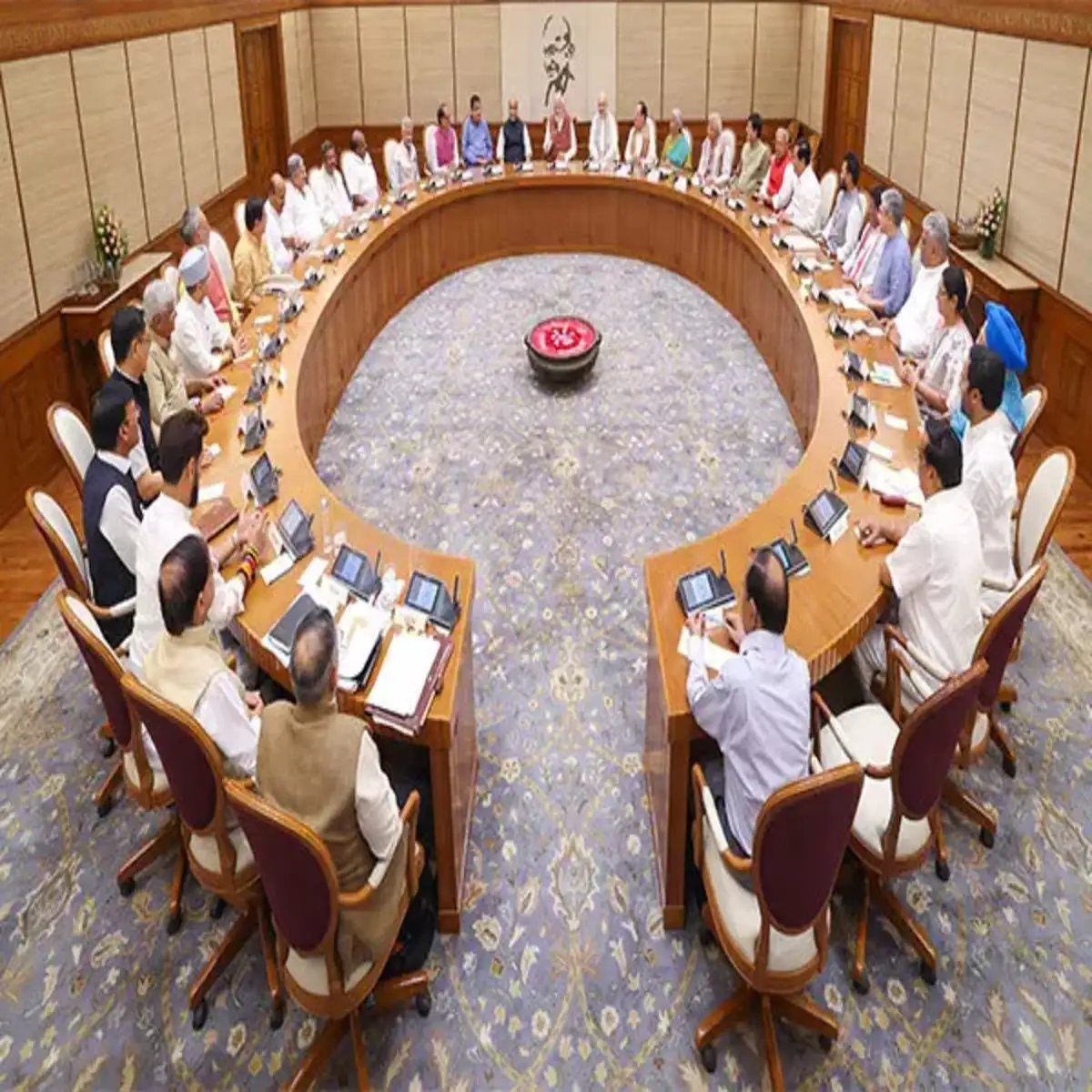
The USTR proposal comes amid the three-day talks underway in Delhi to finalise the first tranche of the bilateral trade agreement (BTA) between the two countries. The US team is led by its chief negotiator Brendan Lynch. India’s chief negotiator is Darpan Jain, an additional secretary in the Department of Commerce.
On February 7, India and the US issued a joint statement finalising the contours or framework of the first phase of the BTA or an interim trade deal.
According to the framework, the US agreed to reduce tariffs on India to 18 per cent from 50 per cent. It removed the 25 per cent tariffs on Indian goods for buying Russian oil and was to cut the remaining 25 per cent to 18 per cent under the pact.
But, on February 20 this year, the US Supreme Court ruled against President Donald Trump’s sweeping reciprocal tariffs, which were imposed under the 1977 International Emergency Economic Powers Act (IEEPA).
Following that, the US President announced the imposition of 10 per cent tariffs on all countries for 150 days, starting February 24.
As the US Supreme Court has ruled against President Donald Trump’s sweeping tariffs, the US administration now has the option of using the Section 301 investigation mechanism to impose new tariffs.
The US was the second-largest trading partner of India in 2025-26. India’s outbound shipments to the US grew marginally 0.92 per cent to USD 87.3 billion during the last fiscal year, while imports increased 15.95 per cent to USD 52.9 billion. The trade surplus declined to USD 34.4 billion in 2025-26 from USD 40.89 billion in 2024-25.
Commenting on the proposed duty, think tank GTRI said the tariffs go beyond the scope of Sec 301, and India should challenge the probe’s ambit.
The 12.5 per cent tariff exceeds the USA’s WTO (World Trade Organisation) commitment as they exceed bound duties.
Under WTO rules, members maintain two types of tariffs — applied tariffs and bound tariffs. Applied tariffs are the actual customs duties levied on imports at a given time, while bound tariffs represent the maximum tariff rates a country has committed not to exceed under its WTO obligations.
Raising tariffs beyond the bound rate violates WTO commitments.
“The current investigation exceeds the scope of Section 301, which deals with market-access barriers faced by the US firms in the country being investigated and not what it imports and from where”, the Global Trade Research Initiative (GTRI) said.
It added that the investigation is not based on allegations that Indian exports are produced using forced labour. Rather, the USTR action focuses on whether countries prohibit imports made with forced labour in third countries, it said.
GTRI founder Ajay Srivastava said India must argue that the US is attempting to impose its preferred import-control framework on other countries through unilateral trade measures, which is outside the scope of section 301.