

World Environment Day 2026, observed globally on 5th June, carries a powerful and timely message: “Inspired by Nature. For Climate. For Our Future.” The theme reminds humanity that nature is not merely a resource to be exploited but a life support system that provides solutions to some of the greatest environmental challenges of our time, including climate change, biodiversity loss, land degradation, and pollution. As the world struggles with rising temperatures, extreme weather events, shrinking forests, and mounting plastic waste, the need to adopt nature-based solutions has never been more urgent.
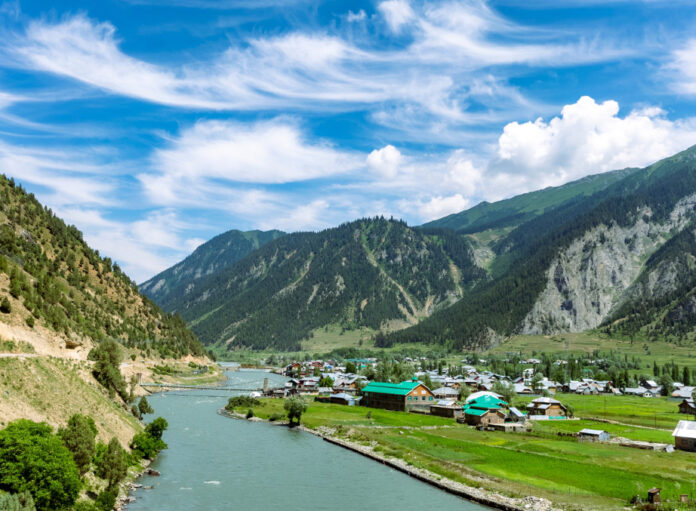
For ecologically fragile regions such as the Himalayan landscapes of J&K, particularly places like Gurez Valley, the theme holds profound significance. Surrounded by majestic mountains, pristine rivers, alpine meadows, and rich biodiversity, Gurez represents one of the most beautiful and environmentally sensitive regions of the Indian Himalayas. However, like many mountain ecosystems, it faces increasing environmental pressures arising from climate change, and the growing menace of plastic pollution. In this context, the promotion of agroforestry and the vision of a plastic free Gurez Valley emerge as two powerful strategies for securing a sustainable future.
Nature as the Best Climate Solution
Scientific evidence increasingly demonstrates that healthy ecosystems play a critical role in mitigating climate change. Forests, grasslands, wetlands, and agroforestry systems capture and store atmospheric carbon dioxide, regulate water cycles, conserve biodiversity, and improve resilience against climate extremes. Nature-based solutions can potentially provide nearly one-third of the climate mitigation needed to achieve global climate targets. Trees, in particular, serve as natural carbon sinks, absorbing greenhouse gases while simultaneously providing economic and ecological benefits. The World Environment Day 2026 theme therefore emphasizes learning from nature and integrating ecological wisdom into development pathways. For mountain communities dependent on natural resources, investing in ecological restoration and sustainable land management is not merely an environmental necessity but also an economic imperative.
Agroforestry: A Climate-Smart Solution
Among the most effective nature-based solutions, agroforestry stands out as a multifunctional land-use system that integrates trees, crops, and livestock on the same piece of land. Agroforestry offers numerous ecological, economic, and social benefits, making it a powerful tool for climate action and rural development.
The incorporation of trees into agricultural landscapes enhances carbon sequestration, improves soil fertility, reduces erosion, conserves moisture, and increases biodiversity. Trees act as windbreaks, improve microclimates, and provide habitats for pollinators and beneficial organisms. In regions vulnerable to climate variability, agroforestry strengthens the resilience of farming systems while diversifying income sources for rural households. For Gurez Valley, agroforestry offers tremendous potential. Farmers can integrate multipurpose tree species such as willow, walnut, apricot, seabuckthorn, and other indigenous species with agricultural crops and livestock enterprises. Such systems can generate fuelwood, fodder, fruits, timber, medicinal products, and ecosystem services while enhancing farm productivity. Agroforestry can also support the cultivation and conservation of high value medicinal and aromatic plants, which possess significant livelihood potential in the region. Through scientific planning and community participation, agroforestry can transform marginal lands into productive landscapes while contributing to climate mitigation and adaptation goals.
Climate Change and Himalayan Vulnerability
The Himalayan region is experiencing climate change at an alarming rate. Rising temperatures, altered precipitation patterns, receding glaciers, and increased frequency of extreme weather events threaten the ecological balance and livelihood security of mountain communities. Gurez Valley, despite its relative isolation and natural beauty, is not immune to these impacts. Changes in snowfall patterns, shifting growing seasons, increased risk of soil erosion, and pressure on natural resources pose significant challenges for local communities. Agroforestry provides an effective adaptation strategy by improving ecosystem resilience and enhancing the capacity of communities to cope with climatic uncertainties. Trees protect soils from erosion, improve water retention, and provide alternative sources of income during crop failures. Thus, agroforestry directly aligns with the World Environment Day 2026 vision of securing a climate-resilient future inspired by nature.
The Growing Threat of Plastic Pollution
While climate change remains a major global concern, plastic pollution has emerged as another environmental crisis affecting even the most remote ecosystems. Plastic waste has reached mountain peaks, rivers, forests, and oceans, threatening wildlife, degrading landscapes, and contaminating food chains.
Tourism, changing consumption patterns, and increased dependence on single use plastics have contributed to the accumulation of plastic waste in many Himalayan regions. Plastic bags, bottles, packaging materials, and disposable products often find their way into streams, rivers, grazing lands, and forests. In a pristine destination like Gurez Valley, plastic pollution poses a serious threat to ecological integrity, scenic beauty, and sustainable tourism potential. If not addressed proactively, plastic waste can undermine the very natural assets upon which local livelihoods and tourism depend.
Towards a Plastic-Free Gurez Valley
The vision of a Plastic-Free Gurez Valley represents an important step toward environmental stewardship and sustainable development. Achieving this vision requires collective action involving local communities, government agencies, educational institutions, tourists, civil society organizations, and development stakeholders.
Several interventions can accelerate this transition:
- Promotion of reusable and biodegradable alternatives to single-use plastics.
- Establishment of effective waste collection, segregation, and recycling systems.
- Awareness campaigns in schools, villages, and tourist destinations.
- Community led cleanliness drives and environmental stewardship programs.
- Encouraging tourists to adopt responsible and eco-friendly practices.
- Strengthening local regulations to minimize plastic usage.
- Integration of environmental education into community development initiatives.
A plastic-free Gurez would not only preserve environmental quality but also enhance its image as an eco-tourism destination, attracting environmentally conscious visitors and creating sustainable livelihood opportunities.
A Call for Collective Action
World Environment Day 2026 is more than a symbolic observance; it is a call to action. The theme “Inspired by Nature. For Climate. For Our Future.” urges individuals, communities, and institutions to recognize that the solutions to many environmental challenges already exist within nature itself. For Gurez Valley, the path forward lies in embracing agroforestry as a climate-smart land use strategy and committing to the vision of a plastic-free landscape. The future of our planet depends on choices made today. Let World Environment Day 2026 inspire us to work together for a greener, cleaner, and more resilient future.
(Dr Jauhar Rafeeq is working as Scientist Agroforestry at KVK Gurez SKUAST-K While Dr Hilal Ahmad Malik is working as Head KVK/MAR&ES Gurez. He can be reached at jauharparrey93@gmail.com).


