Jammu: Jammu and Kashmir recorded a steady rise in GST collections, with total revenue amounting to Rs 24,080.79 crore over the past three financial years, reflecting improved compliance and a widening tax base, the UT government said on Tuesday.
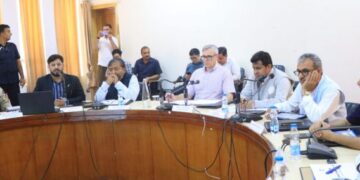
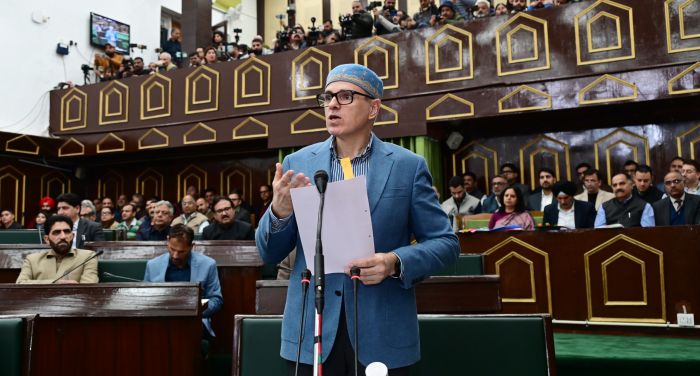
Replying to a written question by National Conference MLA Pirzada Farooq Ahmed in the Assembly, Chief Minister Omar Abdullah said GST collections in J&K stood at Rs 7,272.15 crore in 2022–23, increased to Rs 8,128.44 crore in 2023–24 and further rose to Rs 8,680.20 crore in 2024–25.
The Chief Minister said that the Union Territory also received Rs 15,795.13 crore as its share of Integrated GST (IGST) from the Centre during the same three-year period. He said J&K received Rs 4,922.57 crore in 2022–23, Rs 5,183.62 crore in 2023–24 and Rs 5,688.94 crore in 2024–25 as IGST settlement.
The government said that GST is a destination-based tax under which revenue accrues to the state where goods or services are consumed rather than where they are produced.
“The GST regime, implemented in 2017, replaced a multi-layered indirect tax system with a unified structure, reduced cascading of taxes and improved compliance through technology-driven processes such as online registration, return filing, refunds and e-way bill generation”.
The Chief Minister said that the single-tax system has eased compliance for taxpayers, strengthened tax administration and expanded the tax base, leading to a significant rise in monthly GST revenues in the Union Territory.
The steady growth in GST collections and IGST receipts indicates improved revenue mobilisation and more efficient tax administration in Jammu and Kashmir, he added.
He said that the implementation of the Goods and Services Tax (GST) in the Union Territory since July 2017 has simplified the indirect tax regime, improved compliance and widened the tax base.
He said that GST replaced the earlier multi-layered tax structure with a unified system, reduced cascading taxes and leveraged technology for registration, return filing, refunds and e-way bill generation. “The reforms have eased compliance for taxpayers and strengthened tax administration, leading to a significant rise in average monthly GST revenue”.
While the shift to an online compliance system initially posed challenges for small and rural businesses, these were largely addressed through measures such as the Composition Scheme, quarterly return options and the QRMP scheme, along with the establishment of GST Suvidha Kendras in every district, he said.
Abdullah said that GST reforms have particularly benefited the handicrafts sector through rate rationalisation, placing most handicraft items in the 5 per cent tax slab and easing interstate trade.
“In horticulture, farm income remains outside GST, with only value-added activities attracting tax, while concessional rates apply to key inputs. In the tourism sector, subsuming of entry tax and lower GST rates for hotels have made travel to J&K more affordable”, he said.
However, the chief minister acknowledged challenges for small, unorganised and home-based producers, including compliance burdens, delayed payments and IGST refunds, and said these issues are being addressed through continued simplification and support measures.
Sewa-II power plant generated Rs 3.6K cr revenue since 2010: CM
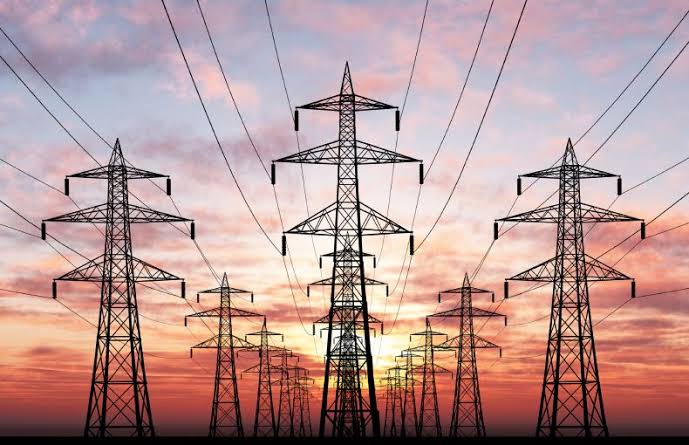
Jammu and Kashmir government on Tuesday informed the Assembly that the Sewa-II hydropower project in Kathua district has generated a revenue of Rs 3,674 crore since its inception in July 2010.
It said no direct expenditure on local area development was met from the said revenue.
In a written reply to a question by MLA Dr Rameshwar Singh, Chief Minister Omar Abdullah said the 120 megawatt Sewa-II Hydro Electric Project in Kathua’s Mashka area is being operated and maintained by National Hydroelectric Power Corporation Limited (NHPC).
He said that since July 2010, the NHPC has generated a revenue of Rs 3,674 crore from the Sewa-II project, and it has paid an amount of Rs 32 crore towards the Local Area Development Fund (LADF).
Abdullah clarified that out of the revenue generated from the project, there has been “nil” utilised specifically on local area development, and the infrastructural development works in the region are being carried out using the Union Territory’s capital expenditure budget.
The one percent contribution towards the LADF and 12 percent free power allocation by the NHPC are being utilised to meet the Union Territory’s power purchase cost, ensuring supply of electricity to consumers at reasonable rates, the chief minister said.
In total, the Jammu and Kashmir Power Corporation Limited receives 13 percent free power, including the LADF, from the Sewa-II hydropower project, he said.