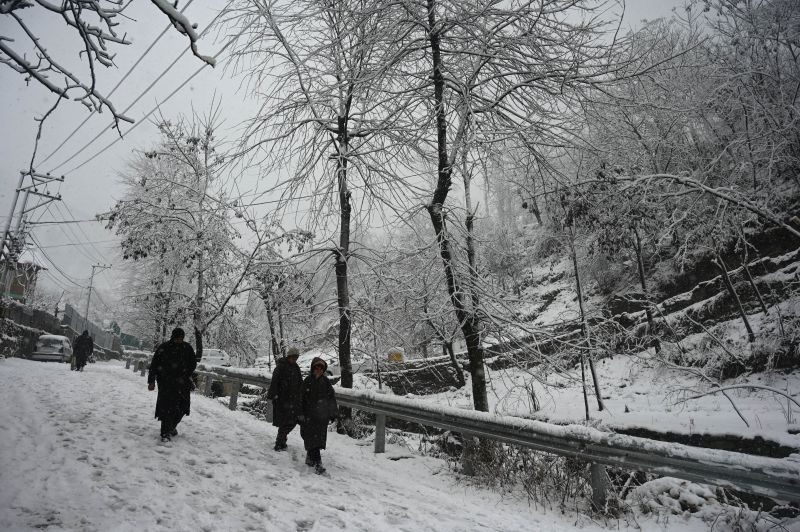
Srinagar: It was a mix of cheer and dread. Cheer, because the prayers of Kashmiris were finally answered as most parts of the Valley and the Jammu region received good snowfall, ending the anxiety caused by a prolonged dry winter.
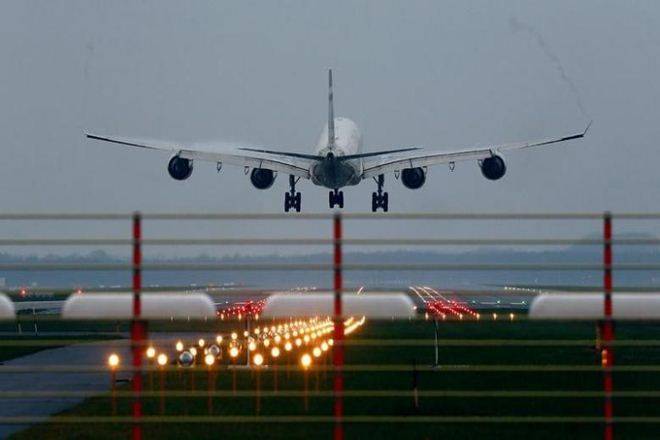
Dread, because fierce windstorms ahead of the snowfall resulted in widespread losses. The electric power infrastructure came to a grinding halt, trees were uprooted, water supply was disrupted, mobility was hampered, roads and air traffic were suspended, and rooftops were blown away.
As always, the people of Jammu and Kashmir welcomed the weather pattern, though they had not anticipated the fury of the winds. Winter, after all, has to be wet — snow and rain are the lifeline of the Union Territory. For over a month, people here were deeply worried. What if the dry spell continued?
A dry winter would have been catastrophic. Summer water levels would have plunged; irrigation of agricultural and horticultural land would have suffered, and drinking water could have become an even graver concern. Thankfully, with overnight snowfall and rain, and expectations of more in the coming days, the dread has begun to ebb.
That is why, despite the hardships faced over the past several hours, people here are, like Vaughn Monroe, wishing: “Let it snow, let it snow, let it snow.”
They know they can endure government failures. Disruptions in electricity can be managed with kangris and candles; water shortages by melting and boiling snow; blocked roads by relying on dry vegetables (hukh hakh). They are reassured that nature, unlike the government, has finally bestowed what they had been praying for — the promise of a better summer.
Yet, lingering questions remain.
There is a full-fledged department for snow clearance. For most of the year, it has little to do, and is required primarily for just two or three months. Why, then, does it fail every time? Just look at how the Srinagar–Gulmarg road functioned today.
Another concern: people are told round the clock that the power department is improving transmission infrastructure. Yet power cuts are blamed on branch cutting, while a single windstorm manages to uproot entire transmission lines. People deserve answers.
Throughout the year, Kashmiris endure power cuts with assurances that repairs are underway. But when the infrastructure is most needed, why does it collapse? Someone must be held accountable.
Forget national highways – the Tangmarg–Gulmarg stretch is barely 13 kilometres long. Why do authorities take days to restore it? Why was there such chaos on the Narbal –Tangmarg road today? Will anyone answer these questions?