New Delhi: The recent surge in prices of gold and silver is largely attributable to heightened geopolitical tensions and uncertainty over global growth, which have boosted safe-haven demand, the finance ministry said on Monday.
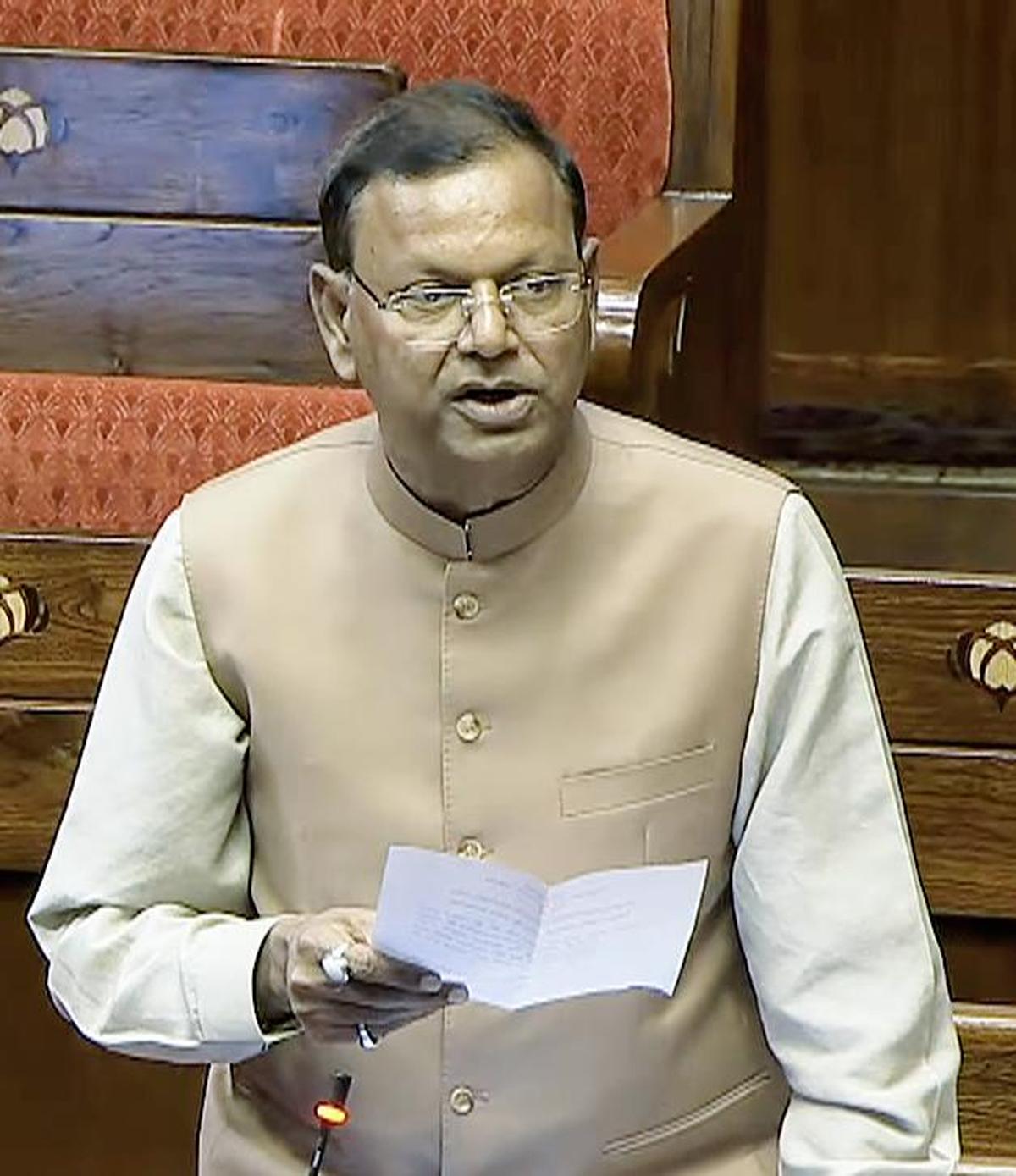
In a written reply to the Lok Sabha, Minister of State for Finance Pankaj Chaudhary said domestic prices of precious metals like gold and silver are primarily determined by their prevailing international prices (in US dollar terms), the exchange rate of the Indian rupee against the dollar and applicable taxes/tariffs.
“The recent surge in prices is largely attributable to heightened geopolitical tensions and uncertainty over global growth, which have boosted safe-haven demand, including substantial gold purchases by central banks and major institutions worldwide,” he said.
He was replying to a question related to increase in gold and silver prices.
Chaudhary further said while prices of gold and silver have witnessed a rising trend in the current year, it may have differential effects across states or population groups depending upon the degree of socio-cultural and economic reliance over these precious metals.
They serve a dual role — not only as a consumption item but also as an investment avenue, as they are considered safe assets for hedging against uncertainties.
Thus, an increase in the price of gold or silver positively influences household wealth, as the notional value of existing gold or silver holdings appreciates, the minister said.
For prospective buyers, he said purchases represent a shift from one form of asset (cash) to another (gold or silver), whose value may appreciate over time.
He emphasised that the prices of precious metals are determined by the market and the government is not involved in the price fixation.
He also added that RBI and government regulation of bullion imports through nominated agencies, banks and refineries improves traceability, reduces grey market channels and helps domestic prices more smoothly track global benchmarks rather than react to shortages or speculative spikes.
India imported gold worth USD 26.51 billion and silver worth USD 3.21 billion till September this fiscal.
The gold import bill was USD 58 billion and USD 4.82 billion for silver during fiscal 2024-25.
The Indian currency is backed by the assets maintained by the RBI in accordance with the RBI Act, 1934, which requires the RBI to hold gold coins, gold bullion, foreign securities, rupee coins and rupee securities to such aggregate amount as is not less than the total currency issued.
As on March 31, 2025, the Reserve Bank of India held 879.58 metric tonnes of gold as compared to 822.10 metric tonnes as on March 31, 2024, reflecting an increase of 57.48 metric tonnes.
These gold holdings contribute in strengthening confidence in the Indian Rupee and the overall external stability of the economy, the minister said.
He also informed that the government introduced measures such as Gold Monetisation Scheme (GMS), Gold exchange traded funds (ETFs) and Sovereign Gold Bond Scheme to reduce the demand for physical gold and to mobilise idle domestic gold, so that part of demand is met from local stocks rather than fresh imports, thereby reducing external vulnerability and price pressures.