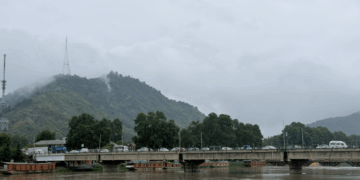

For decades, Kashmir has been painted as a postcard paradise. The shikaras on Dal Lake, snow-capped Gulmarg, tulips in spring, saffron in autumn. This is the imagery packaged for brochures, films, and political speeches. And yet, while these few destinations glitter on Instagram, the villages of Kashmir remain invisible – left to poverty, poor roads, collapsing schools, and empty promises.
The bitter truth is that Kashmir’s tourism boom has never really been a Kashmiri’s boom. It has been a boom for taxi operators, hoteliers, contractors, and politicians who control the gateways to Srinagar, Gulmarg, Pahalgam, and Sonmarg. The villager – the man who grows apples, the woman who weaves carpets, the child who treks for an hour to reach school – rarely sees the tourist, and so rarely sees the rupee. And rarely gets exposed to the outside world and culture.
The Choked Circuit
More than 80% of Kashmir’s tourist traffic is restricted to four pockets. Tour operators sell the same circuit, year after year, with no incentive to expand. As a result, these places are overburdened, polluted, and fast losing their charm. Meanwhile, the rest of Kashmir – hundreds of villages nestled amid orchards, streams, and meadows – stand untouched, as if prosperity were a stranger passing by on the highway.
Imagine if every village in Kashmir were prepared to host even a fraction of this tourist flow. A homestay in Budgam with fresh bread from the tandoor, a heritage walk through forgotten shrines, a fishing morning in the Ferozpura streams, an evening of folk songs in Kupwara. This is not fantasy; it is what India’s other states have already done. Rajasthan turned desert villages into world destinations, Kerala made backwater hamlets the envy of the globe. Why must Kashmir remain trapped in a four-stop circus?
The Livelihood Multiplier
Tourism at the village level does not just create guides and guesthouse owners. It triggers an entire chain. Farmers can sell directly to visitors. Women can organize self-help groups to market embroidery, saffron, and dry fruits. Youth can earn as trekking guides instead of throwing stones or waiting endlessly for a government job. Even the old man who owns two walnut trees finds his dignity restored when a visitor pays him for what he grows.
In villages where just ten families host tourists, the ripple is visible in months: better sanitation, better roads, a sense of pride, and – most importantly – reasons for the young not to migrate.
Why Has This Not Happened?
Because Kashmir’s tourism policy is written in boardrooms, not villages. Because big hotels and political interests fear losing control if tourists scatter beyond their gates. And because the state has always equated tourism with security management, not community empowerment.
The bitter truth is, unless tourism is re-imagined as rural prosperity, it will remain cosmetic. Kashmir will stay an image on someone else’s postcard, not an income in a villager’s pocket.
A Blueprint for Change
- Village Circuits: Every district can design its own “village tourism circuit” – linking 5 – 10 villages with unique offerings.
- Homestay Mission: Subsidies and soft loans for villagers to prepare rooms, kitchens, and sanitation facilities.
- Cultural Revival: Integrating folk music, storytelling, and crafts into village stays.
- Eco-Tourism Ethic: Trekking, bird-watching, orchard walks – low-impact but high-value experiences.
- Direct Access: Technology platforms for tourists to book village stays without middlemen.
The Positive Vision
Only when the village woman selling her kalari cheese, or the farmer hosting guests in his orchard, feels that tourism has touched his or her life will Kashmir truly prosper. Prosperity does not lie in more tourists at Dal Lake or another luxury hotel in Gulmarg. It lies in every child of every Kashmiri village growing up with the confidence that the world values his culture, his land, and his hospitality.
Suggested Village Tourism Circuits for Kashmir
| Circuit | Villages | Theme / Attractions | What Locals Gain |
|---|---|---|---|
| Budgam – Dodhpathri Circuit | Tangnar, Mujpathri, Raiyar-Ich, Kandoora, Nasrullahpora | Sufi shrines, village tandoor breads, orchard walks | Homestays, food stalls, shrine caretaking, sale of local bakery, handicrafts |
| Beerwah – Karewa Circuit | Beerwah, Aripanthan, Chewa, Rathsun | Karewa landscapes, walnut and almond orchards, folklore songs, pottery traditions | Agro-tourism (orchard stays), craft markets, folk performances, youth as trekking guides |
| Tangmarg – Ferozpura Nallah Circuit | Tangmarg, Drang, Ferozpura, Baderkoot | Trout streams, water mills, forest trails, riverfront picnics | Fishing guides, camping hosts, river cafés, sale of dairy and honey |
| Kupwara – Lolab Valley Circuit | Chandigam, Sogam, Lalpora, Krusan | Pine forests, freshwater springs, folk dances, tribal Gujjar life | Eco-lodges, handicrafts, livestock product sales, heritage music groups |
| Ganderbal – Sindh Circuit | Kangan, Mammar, Kullan, Gund | River Sindh trout fishing, saffron fields, old caravan routes | Angling tours, saffron souvenirs, horse rides, river rafting guides |
| Pulwama – Awantipora Circuit | Lethpora, Awantipora, Pahoo, Shadimarg | Saffron farms, Awantipora ruins, apple clusters, village kitchens | Saffron homestays, agritourism, dried fruit marketing, cultural storytelling |
| Anantnag – Pahalgam Hinterland Circuit | Aishmuqam, Mattan, Sallar, Lidroo | Kheer Bhawani temple, trout farming, shepherd settlements, folk ballads | Shrine tourism, fish farms, wool and craft marketing, rural cafés |
| Shopian – Peer Panjal Circuit | Zainapora, Keller, Sedow, Hirpora | Mughal road villages, apple orchards, high-altitude pastures | Orchard camps, Mughal trek guides, dried apple/dal sales |
| Bandipora – Wular Lake Circuit | Watlab, Lankreshipora, Kulhama, Garoora | Wular lake birding, water chestnut harvesting, boat-making craft | Homestay + boating, birding guides, chestnut and fish markets |
| Kulgam – Aharbal Circuit | Aharbal, Manzgam, D.H. Pora, Kounsernag foothills | Aharbal waterfall, trekking to Kounsernag lake, village fairs | Guides, homestays, herbal teas, sale of traditional musical instruments |