

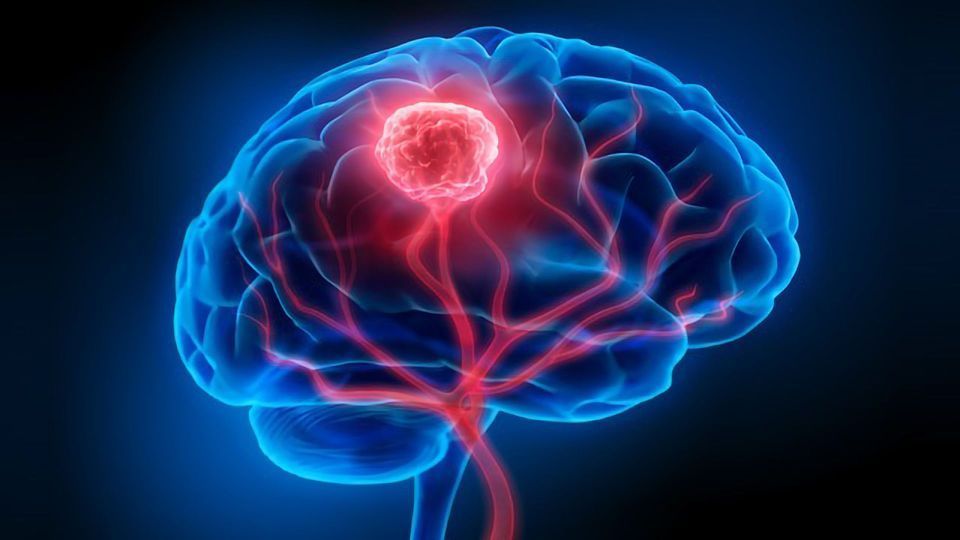
Stroke, often termed a “brain attack,” ranks as the second most common cause of mortality after heart attacks and stands as the leading cause of disability. It affects one in every four person once in their lifetime.
This medical emergency occurs when blood flow to part of the brain is disrupted, depriving brain tissue of oxygen and nutrients. Without immediate medical attention, brain cells can begin to die within minutes. Therefore, a thorough grasp of stroke prevention, diagnosis, and treatment is crucial in reducing both the frequency and impact of this critical health emergency.
Prevention
Stroke prevention primarily involves addressing risk factors and adopting a healthy lifestyle. Many strokes can be prevented through modifications in diet, exercise, and managing medical conditions.
Adopting a healthy lifestyle is fundamental to stroke prevention. This includes a balanced diet rich in fruits, vegetables, whole grains, and lean proteins while limiting salt, sugar, and saturated fats to maintain healthy blood pressure and cholesterol levels.
Regular physical activity like brisk walking, swimming, or cycling helps keep a healthy weight and improve cardiovascular health. Quitting smoking significantly reduces stroke risk by preventing blood vessel damage and high blood pressure. Moderation in alcohol consumption is also important.
Medical management is vital for stroke prevention. Controlling blood pressure through regular monitoring and medication is crucial. Managing diabetes by keeping blood sugar levels under control also reduces stroke risk. Additionally, lowering high LDL cholesterol levels, which can lead to plaque buildup in arteries, is important.
Diagnosis
Prompt diagnosis of a stroke is critical for effective treatment and improving outcomes. The quicker a stroke is identified and treated, the better the chances of minimizing brain damage.
The acronym “BEFAST” helps remember the sudden signs of a stroke: B for balance problems, E for eye vision or double vision issues, F for facial asymmetry, A for arm weakness, S for speech disturbances, and T for time. If any of these symptoms are noted, it is crucial not to delay and to immediately transfer the patient to a stroke-ready facility.
The golden period for effective medical therapy has been extended to 4.5 hours from onset of symptoms, and for clot retrieval procedures, it can extend up to 24 hours.
Acting swiftly within these time frames significantly enhances the chances of minimizing stroke-related damage and improving patient outcomes.
Assessment of Different Types of Strokes
Strokes are broadly categorized into two types based on their underlying causes: ischemic strokes, which account for approximately 80% of cases and occur due to blockage or narrowing of blood vessels supplying the brain; and haemorrhagic strokes, constituting about 20% of cases, which result from the rupture of a blood vessel in the brain.
Imaging tests, such as CT scans or MRIs, are used to determine the type of stroke and assess the extent of brain damage. Blood tests can identify conditions that increase stroke risk, like high cholesterol, elevated blood sugar levels, and blood clotting issues. An electrocardiogram detects heart conditions that may have contributed to the stroke.
Treatment
For an ischemic stroke, treatment includes clot-busting medications or mechanical thrombectomy. Thrombolytics, such as tissue plasminogen activator, can dissolve the clot if given within a few hours of symptom onset. Mechanical thrombectomy involves using a catheter to remove the clot from the blocked artery, typically within six hours of symptom onset.
For a haemorrhagic stroke, treatment approaches differ. Surgery, such as aneurysm clipping or arteriovenous malformation repair, can help stop the bleeding. Medications to lower blood pressure, control bleeding, and prevent seizures may also be administered.
While strokes remain a significant health threat, understanding and managing risk factors, recognizing symptoms, and seeking immediate treatment can improve outcomes. A commitment to a healthy lifestyle and regular medical check-ups is key to prevention, and rapid response is essential for effective treatment.
The writer is Director and Head of Department, Neurology, Yatharth Hospital, Greater Noida.

